
Understanding Rain Garden Grants
Rain gardens are a sustainable way to manage stormwater runoff, reduce flooding, and improve water quality. Many communities and environmental organizations offer grants to help property owners install these eco-friendly landscapes. By taking advantage of these funding opportunities, you can enhance your property while contributing to environmental conservation.
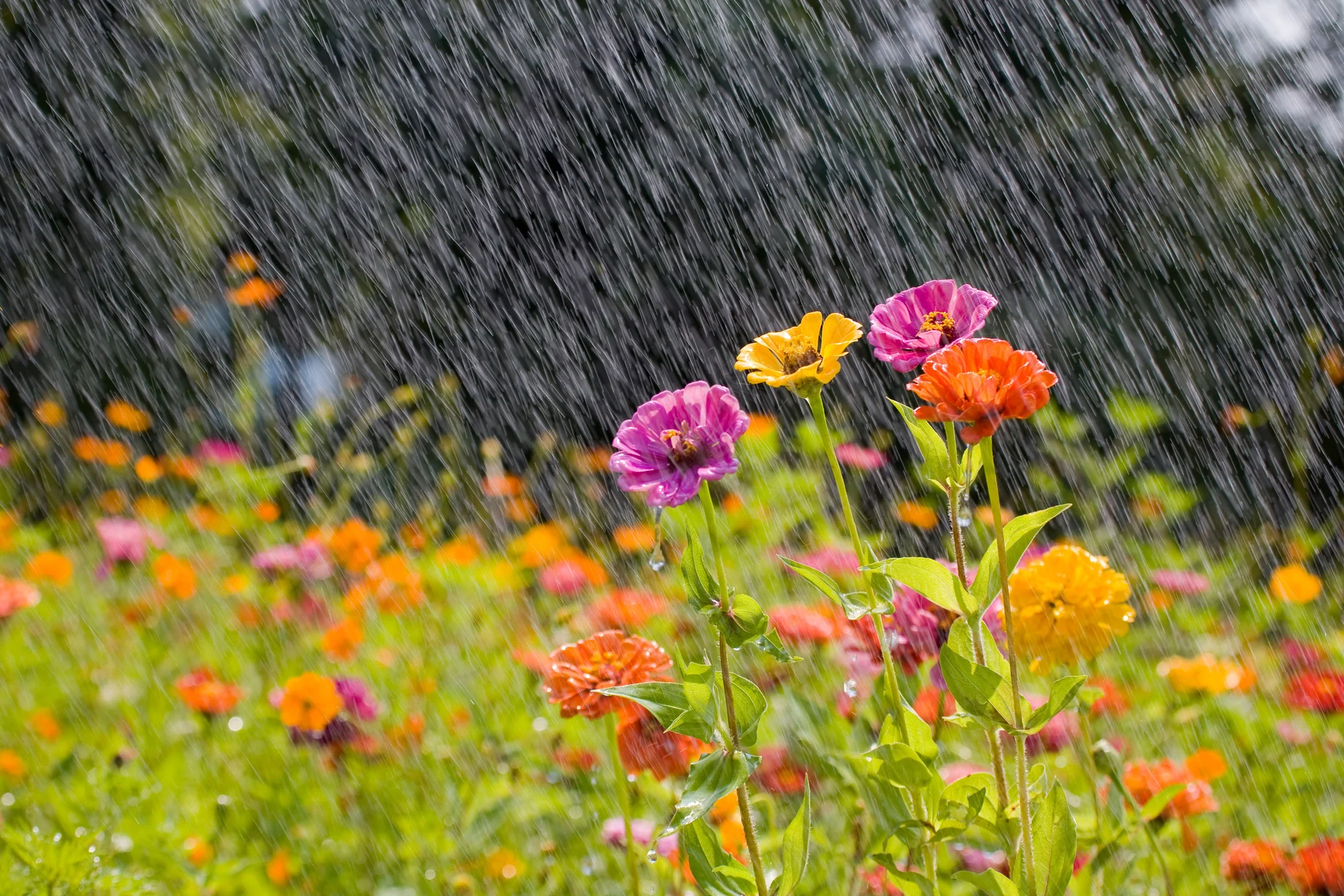
Before diving into the application process, it's essential to understand the purpose and benefits of rain gardens. They are designed to absorb rainwater, filter pollutants, and support native plants and wildlife. Grants are typically available for homeowners, schools, and community groups committed to sustainable practices.
Finding the Right Grant
The first step in securing a rain garden grant is to identify available funding sources. Start by researching local government programs, environmental organizations, and nonprofit groups that offer financial assistance for green infrastructure projects. Many grants are focused on specific regions or community needs, so tailor your search accordingly.

Once you've identified potential grants, review their eligibility criteria and application requirements. Some grants may require a detailed plan or a commitment to maintaining the garden for a specified period. Be sure to gather all necessary documentation in advance to streamline the application process.
Preparing Your Application
When you're ready to apply, it's crucial to prepare a comprehensive and compelling application. Here's a step-by-step guide to help you get started:
- Develop a Project Plan: Outline the design, location, and size of your rain garden. Include information on plant selection and maintenance strategies.
- Gather Documentation: Collect any required documents, such as property deeds, site maps, and letters of support from community members or local officials.
- Write a Strong Proposal: Clearly articulate the environmental benefits of your project and how it aligns with the grant's objectives.
Submitting Your Application
After crafting a strong application, it's time to submit it for consideration. Pay close attention to submission guidelines and deadlines. Late or incomplete applications may be disqualified, so double-check all materials before sending them.

Consider reaching out to the grant provider with any questions or for clarification on specific requirements. Building a rapport with the organization can be beneficial and may provide insights into what makes a successful application.
Post-Approval Steps
If your application is successful, congratulations! The next steps involve implementing your rain garden project. Adhere to any conditions set forth in the grant agreement, such as timelines for completion and maintenance commitments.
Document the progress of your project with photos and reports. This not only helps fulfill grant requirements but also serves as a valuable resource for promoting your efforts to the community.
Conclusion
Unlocking funding for a rain garden installation is a rewarding endeavor that supports environmental sustainability and enhances your property. By understanding the grant process and following these steps, you'll be well on your way to creating a thriving rain garden.

Part of the EcoGuardian journal. This article retains its original publication context; references to grants, regulations, research, and services may have changed since publication.