
Applying for a bio-swale can be a crucial step in enhancing the sustainability of your property. Understanding the application process and knowing what to expect can help you navigate it smoothly. This post will guide you through the key aspects of your bio-swale application status.
Initial Application Submission
The first step in the process is submitting your bio-swale application. This involves providing detailed information about your property, the proposed location for the bio-swale, and any environmental considerations relevant to your project. It's important to ensure that all required documents are completed accurately to avoid delays.
Once submitted, your application will be reviewed for completeness. You may receive a notification confirming receipt of your application and an estimated timeline for the review process.
Review and Evaluation
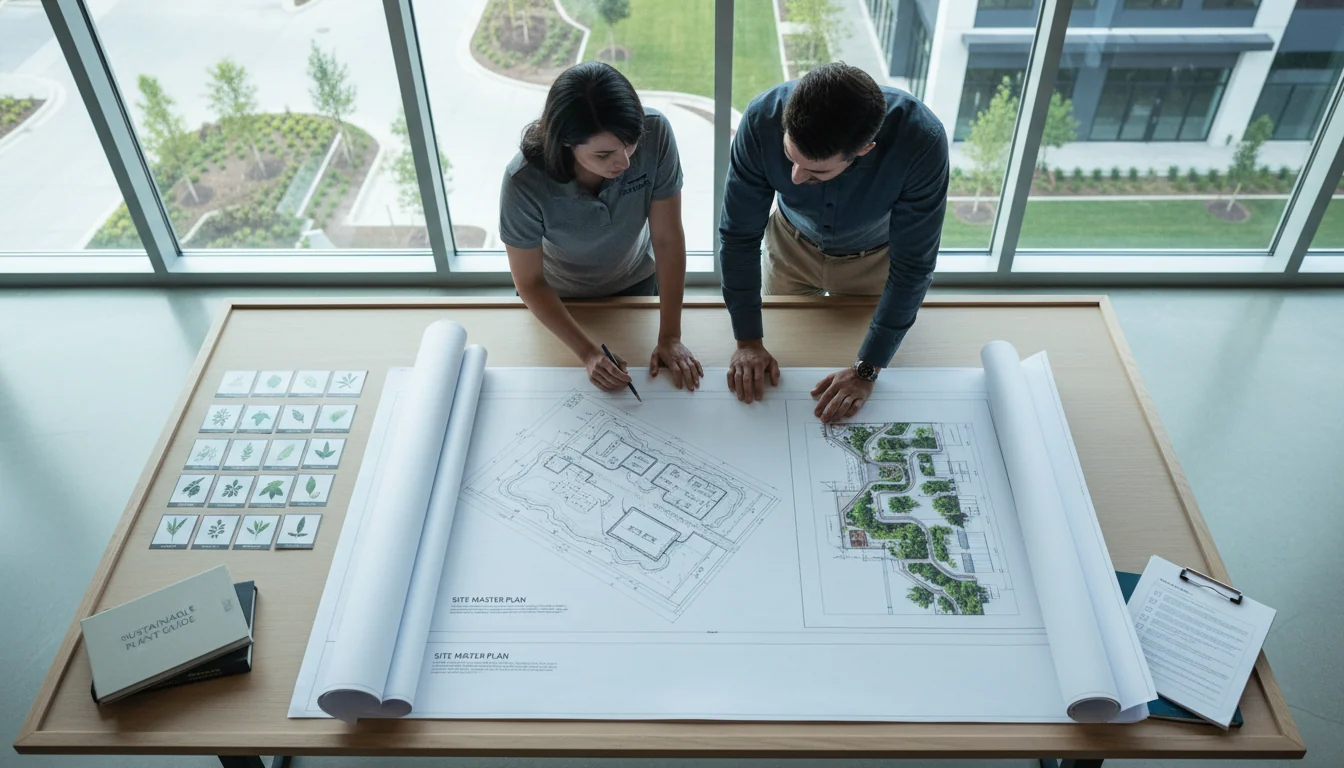
During the review phase, experts will evaluate your application to ensure it meets all necessary criteria and regulations. This may involve site visits or requests for additional information. It's essential to respond promptly to any inquiries to keep the process moving forward.
The evaluation process might take several weeks, depending on the complexity of your project and the current workload of the reviewing agency. Patience and proactive communication are key during this stage.
Common Evaluation Criteria
Some common factors considered during the evaluation include:
- Site Suitability: Is the proposed location appropriate for a bio-swale?
- Environmental Impact: How will the bio-swale benefit the local ecosystem?
- Design Compliance: Does the design adhere to local guidelines and standards?
Approval and Next Steps
If your application is approved, you'll receive an approval letter outlining the next steps. This might include additional permits or conditions you need to meet before construction can begin. It’s important to review these requirements carefully to ensure compliance.
In some cases, you may be asked to make modifications to your proposal. This is a common part of the process and should not be seen as a setback. Adjustments can often lead to a more effective and successful project.
Handling Rejections
If your application is not approved, don't be discouraged. The rejection letter will typically provide feedback and reasons for the decision. Use this information to address any deficiencies and consider reapplying.
Engaging with the reviewing agency to understand their concerns can be beneficial. They may offer valuable insights or suggest alternative approaches to meet your goals.

Monitoring and Maintenance
Once your bio-swale is installed, regular monitoring and maintenance are crucial to ensure its effectiveness. This includes checking for blockages, managing vegetation, and inspecting structural components.
Many agencies provide guidelines or resources to help property owners maintain their bio-swales. Staying informed and proactive in maintenance can extend the lifespan and functionality of your bio-swale.
Conclusion
Understanding your bio-swale application status and what to expect at each stage can make the process more manageable. By staying informed, responsive, and open to feedback, you can successfully navigate the journey from application to implementation.
Part of the EcoGuardian journal. This article retains its original publication context; references to grants, regulations, research, and services may have changed since publication.