Introduction to Bio-Swales
In recent years, bio-swales have gained attention as a sustainable solution for managing stormwater runoff, especially in regions like Florida. These vegetated channels are designed to capture and filter rainwater, significantly reducing pollutants before they reach natural water bodies.
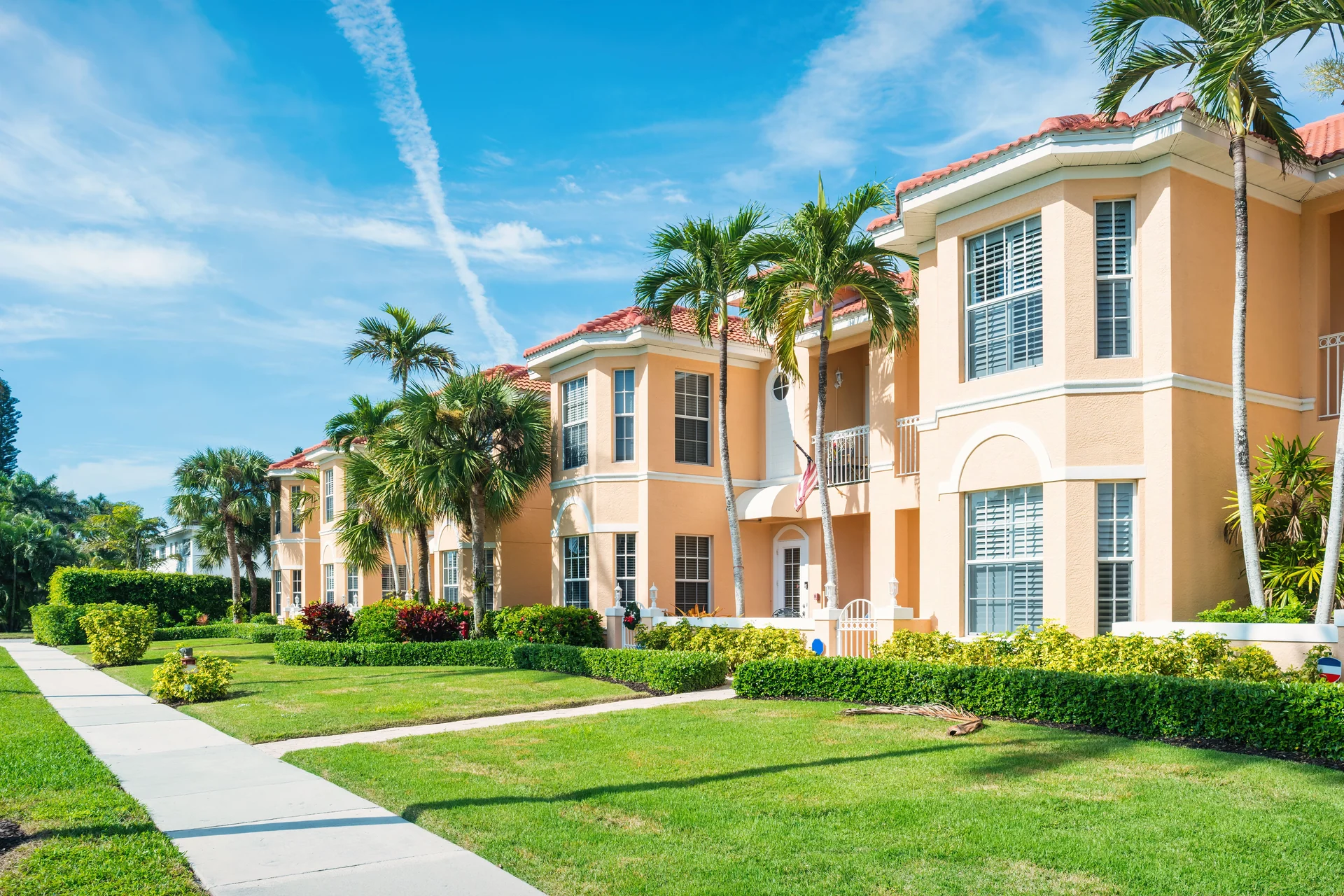
Bio-swales not only aid in water management but also enhance the aesthetic appeal of urban landscapes. By integrating plant life into infrastructure, they create a harmonious balance between nature and urban development.
The Need for Bio-Swales in Florida
Florida's unique climate, characterized by heavy rainfall and occasional hurricanes, makes effective water management crucial. Traditional stormwater systems often struggle to cope with intense downpours, leading to flooding and pollution.
Bio-swales address these challenges by providing an eco-friendly method to manage excess water. They help in recharging groundwater supplies and preventing erosion, ensuring that the state's natural resources are preserved.
Environmental Benefits
The environmental impact of bio-swales is profound. These systems filter pollutants such as oils, heavy metals, and sediments from stormwater, thus protecting the quality of local waterways. By reducing the amount of polluted runoff, they contribute to healthier aquatic ecosystems.
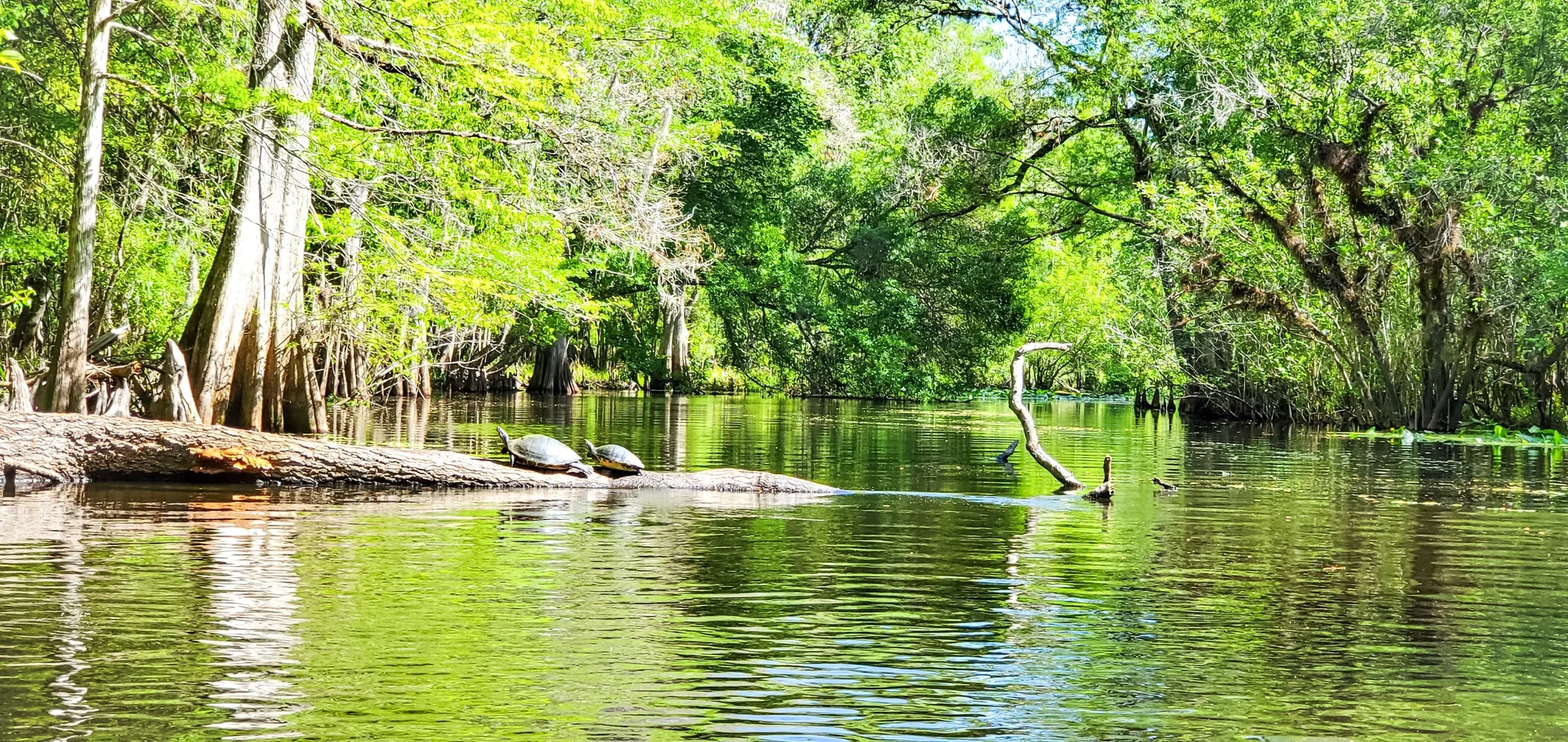
Moreover, bio-swales support biodiversity by providing habitat for various plant and animal species. This increase in green spaces can also help combat urban heat, creating cooler microclimates in built-up areas.
Design and Implementation
Designing a bio-swale involves selecting appropriate vegetation and ensuring the channel is effectively integrated into the landscape. Native plants are often preferred due to their adaptability and low maintenance needs.
The slope and composition of the soil are critical factors in the success of a bio-swale. Proper design ensures efficient water flow and maximizes filtration, making it essential to work with environmental engineers during the planning phase.
Challenges and Considerations
While bio-swales offer numerous benefits, their implementation comes with challenges. Maintenance is key to their effectiveness, requiring regular inspections and occasional replanting to ensure optimal performance.
Cost can also be a barrier for some communities. However, the long-term savings in reduced flood damage and lower water treatment needs often justify the initial investment.
Conclusion
Bio-swales represent a forward-thinking approach to stormwater management in Florida. By understanding and addressing the environmental impact of these systems, communities can enjoy a more sustainable and resilient future.
As awareness grows, bio-swales are likely to become an integral part of urban planning, offering a model for other regions facing similar environmental challenges.
Part of the EcoGuardian journal. This article retains its original publication context; references to grants, regulations, research, and services may have changed since publication.