Understanding Bio-Swales: How They Work and Benefit the Environment


What Are Bio-Swales?
Bio-swales are innovative landscape elements designed to manage stormwater runoff. They are shallow, vegetated channels that slow down and filter rainwater, allowing it to seep naturally into the ground. These systems are gaining popularity as sustainable solutions for urban planning and environmental conservation.
The design of bio-swales typically involves a combination of soil, plants, and organic materials. This setup not only helps in water management but also supports local wildlife and enhances the aesthetic appeal of urban spaces.

How Do Bio-Swales Work?
When rainwater flows over impermeable surfaces like roads and pavements, it can pick up pollutants such as oil, chemicals, and debris. Bio-swales intercept this runoff, guiding it through a natural filtration process. The vegetation in bio-swales helps absorb excess nutrients and contaminants, while the soil promotes infiltration.
As water moves through the bio-swale, it slows down, allowing sediments to settle. The root systems of plants play a crucial role in this process, as they stabilize the soil and prevent erosion, ensuring the long-term effectiveness of the bio-swale.
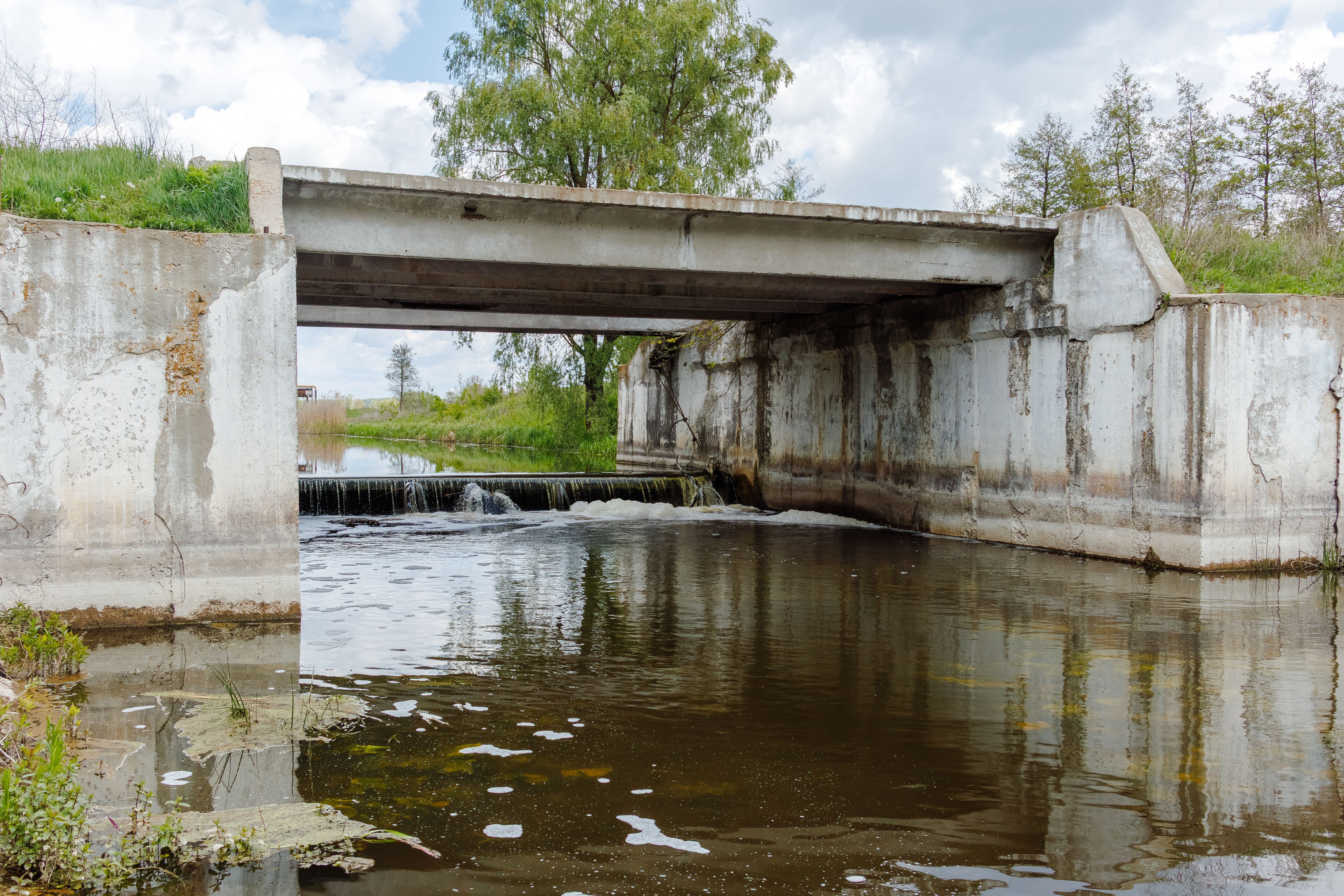
Key Components of Bio-Swales
Bio-swales are composed of several critical components that work together to achieve their purpose. These include:
- Vegetation: Plants are chosen for their ability to withstand varying water levels and absorb pollutants.
- Soil and Mulch: These layers aid in filtration and support plant growth.
- Inlet and Outlet Structures: These direct water into and out of the bio-swale effectively.
Environmental Benefits of Bio-Swales
Bio-swales offer a multitude of environmental benefits. They significantly reduce the volume of stormwater runoff, which helps prevent flooding in urban areas. By filtering pollutants, bio-swales contribute to cleaner water entering local streams and rivers.
Moreover, bio-swales support biodiversity by providing habitats for various plant and animal species. They can also improve urban air quality by capturing dust and particulates.

Economic and Social Advantages
Beyond environmental benefits, bio-swales also present economic advantages. They can reduce the need for costly stormwater infrastructure, like underground piping and treatment facilities. Additionally, their presence can increase property values by enhancing the visual appeal of neighborhoods.
Socially, bio-swales create green spaces that encourage community interaction and recreational activities. They also offer educational opportunities, as they demonstrate sustainable practices in action.
Implementing Bio-Swales in Urban Planning
Incorporating bio-swales into urban planning requires a thoughtful approach. Planners must consider factors such as the local climate, soil type, and the volume of expected stormwater runoff. When properly designed and maintained, bio-swales can be an effective component of a city's green infrastructure.
Community involvement is also crucial in the implementation process. Educating residents about the benefits and maintenance of bio-swales can ensure their long-term success and acceptance.

The Future of Bio-Swales
As cities continue to grow, the demand for sustainable stormwater management solutions will increase. Bio-swales represent a forward-thinking approach that addresses environmental, economic, and social challenges. By integrating these systems into urban landscapes, we can create more resilient and livable cities for future generations.