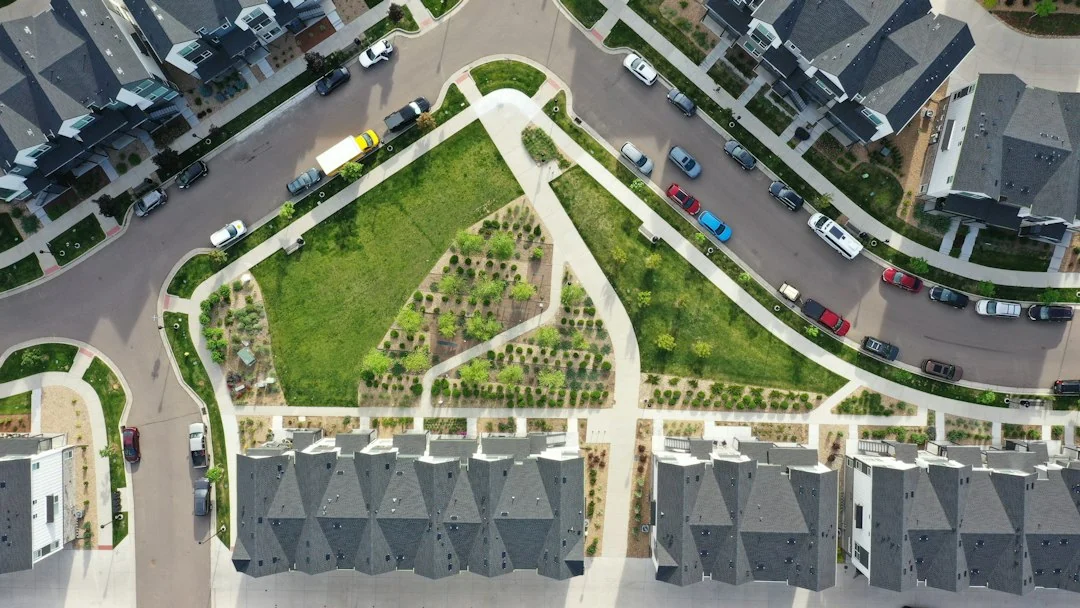
What Are Bio-Swales?
Bio-swales are landscape elements designed to manage water runoff, filter pollutants, and enhance the aesthetic appeal of your garden or yard. These natural drainage systems are an integral part of green infrastructure, providing an eco-friendly solution to water management issues that many homeowners face.
Unlike traditional drainage systems that rely on concrete and pipes, bio-swales use natural vegetation to filter and absorb rainwater. This method not only reduces the risk of flooding but also improves water quality by removing contaminants, recharging groundwater, and supporting local ecosystems.
The Benefits of Implementing Bio-Swales
There are several compelling reasons for homeowners to consider installing a bio-swale on their property. Apart from managing stormwater, these systems also contribute to a healthier environment. By reducing runoff, bio-swales prevent erosion and minimize the strain on municipal water systems.
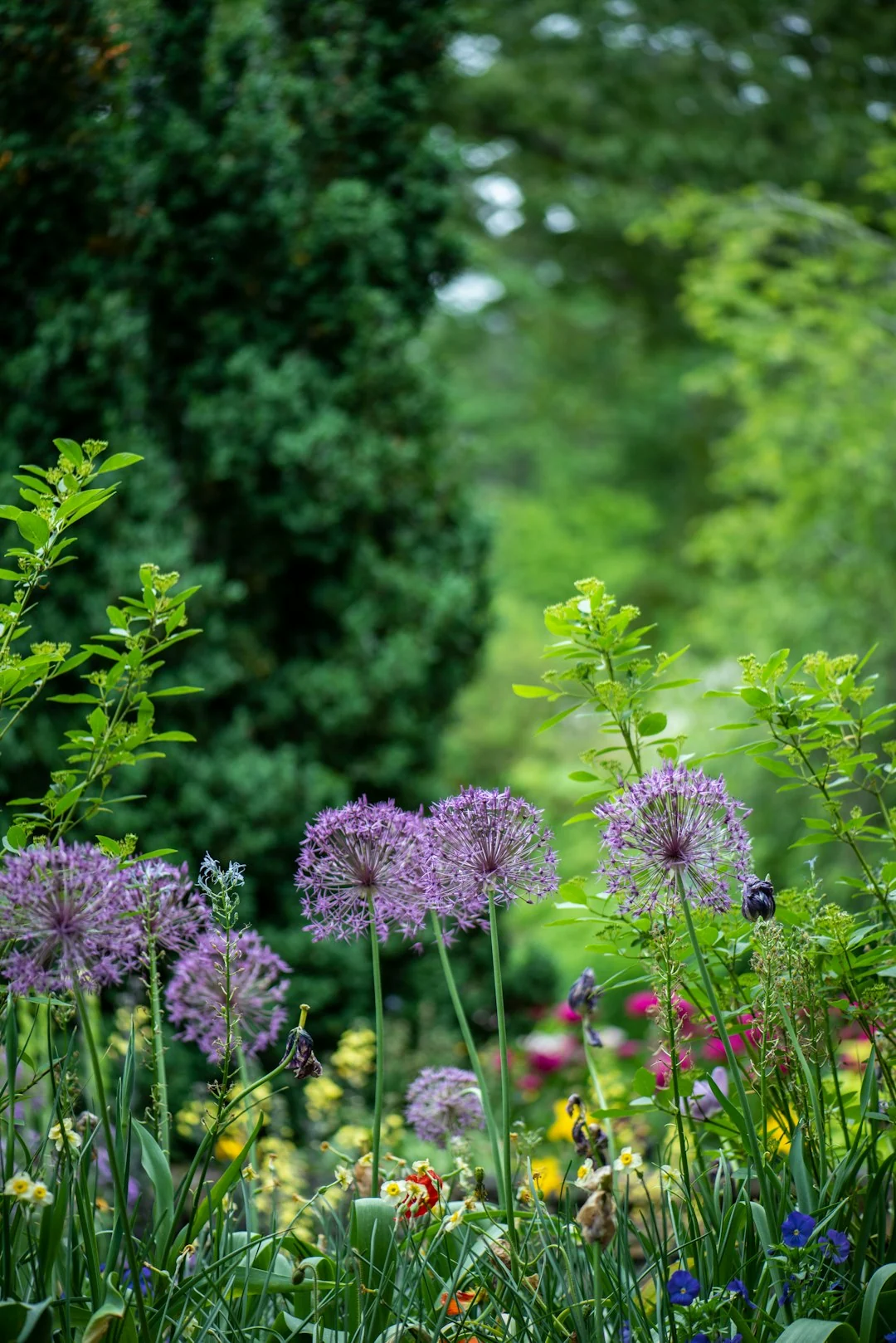
Moreover, bio-swales can significantly increase the biodiversity of your yard. They provide a habitat for local wildlife, such as birds and beneficial insects, and can be planted with a variety of native plants to enhance the beauty of your landscape.

Cost-Effective and Low Maintenance
One of the most attractive features of bio-swales is their cost-effectiveness. Once established, they require minimal maintenance compared to traditional drainage systems. Regular inspection and occasional replanting are usually all that’s needed to keep them functioning effectively.
Furthermore, the initial investment for creating a bio-swale can be offset by potential savings on water bills and reduced need for irrigation. The natural absorption and filtration system helps maintain soil moisture, reducing the need for additional watering.

Designing Your Bio-Swale
When designing a bio-swale, several factors need to be considered to ensure its effectiveness. The slope of your land, soil type, and local climate all influence the design process. A gentle slope is ideal for directing water flow, while permeable soil types facilitate better water absorption.
Choosing the right plants is also crucial. Native species are often recommended because they are well-adapted to local conditions and provide additional ecological benefits. Consider plants with deep roots that can help stabilize the soil and enhance water infiltration.
Steps to Installation
Creating a bio-swale involves several steps:
- Identify low-lying areas in your yard where water naturally collects.
- Plan the layout, ensuring a gentle slope for water flow.
- Excavate the area and amend the soil if necessary to improve permeability.
- Plant a variety of vegetation suited to your climate and soil type.
- Regularly maintain the area to ensure proper function and aesthetics.
Conclusion
Bio-swales represent a practical and sustainable solution for homeowners looking to manage stormwater more effectively. By incorporating these systems into your landscape, you not only contribute to environmental conservation but also enhance the beauty and functionality of your property.
Consider consulting with a landscape professional to tailor a bio-swale to your specific needs and maximize its benefits. With the right planning and execution, a bio-swale can be a lasting and valuable addition to your home.
Part of the EcoGuardian journal. This article retains its original publication context; references to grants, regulations, research, and services may have changed since publication.