
Implementing a bio-swale project can significantly contribute to sustainable landscaping and effective stormwater management. However, to ensure its success, it's crucial to track specific metrics and utilize the right tools. This guide will explore the essential metrics to monitor and the tools that can help you manage your bio-swale project efficiently.
Understanding Bio-Swale Metrics
Tracking the right metrics is vital for assessing the performance of your bio-swale. The following are some key metrics to consider:
- Water Infiltration Rate: This measures how quickly water is absorbed into the ground. A higher rate indicates a more effective bio-swale.
- Water Quality Improvement: Monitoring the reduction of pollutants like nitrates and phosphates can help assess the bio-swale's impact on water quality.
- Plant Health: Observing plant growth and vitality can indicate the bio-swale's overall health and functionality.
Tools for Monitoring Bio-Swale Performance
Water Infiltration Tools
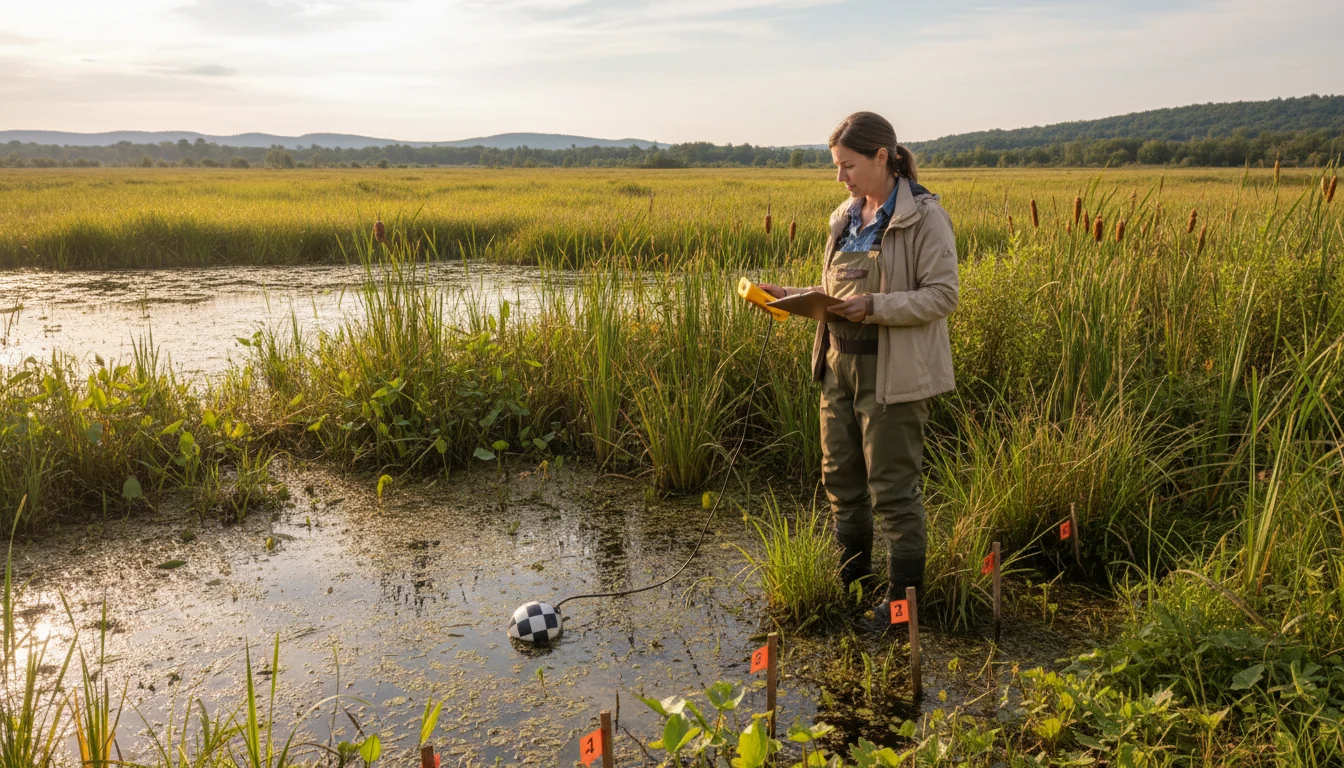
To measure the water infiltration rate, you can use tools like the double-ring infiltrometer. This tool helps in accurately assessing how quickly water is absorbed, providing essential data to adjust and improve your bio-swale design.
Water Quality Testing Kits
Water quality testing kits are vital for analyzing the levels of various pollutants in your bio-swale. These kits can measure parameters such as pH, nitrates, and phosphates, offering insights into the effectiveness of your stormwater management strategy.

Monitoring Plant Health
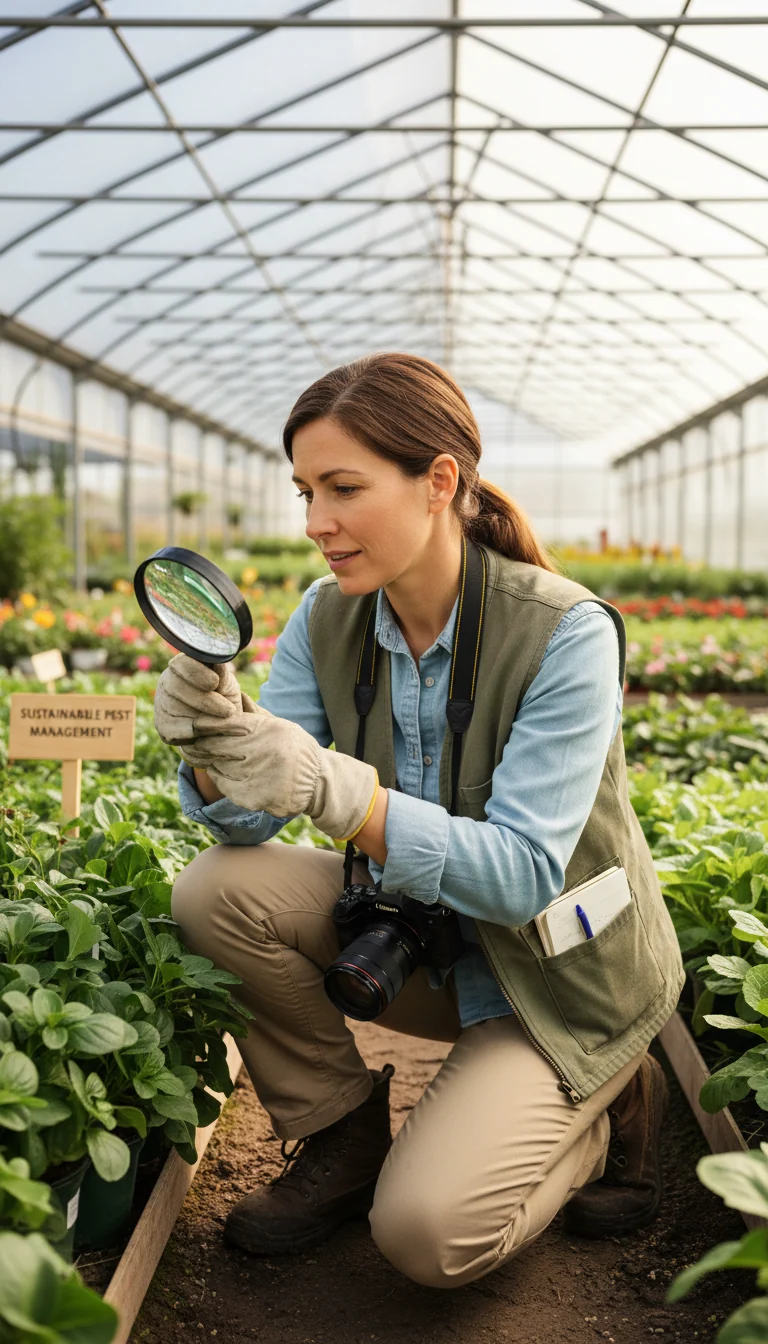
Healthy plants are a sign of a functional bio-swale. Regularly assessing plant health can provide clues about the soil condition and the overall ecosystem balance. Tools such as soil moisture meters and leaf chlorophyll meters can help you track plant health effectively.
Soil Moisture Meters
Soil moisture meters are essential for ensuring that plants receive the right amount of water. By monitoring soil moisture levels, you can make informed decisions about irrigation needs and adjustments.
Data Management and Analysis
Collecting data is only the first step; analyzing it to make informed decisions is crucial. Software tools and applications designed for environmental data management can help you store, analyze, and visualize your bio-swale data, leading to more strategic project adjustments.
By focusing on these key metrics and utilizing the appropriate tools, you can effectively track and enhance the performance of your bio-swale project. This not only ensures a sustainable approach to stormwater management but also contributes to a healthier ecosystem.
Part of the EcoGuardian journal. This article retains its original publication context; references to grants, regulations, research, and services may have changed since publication.