
Introduction to Bio-Swale Projects
Bio-swales are a sustainable landscape feature designed to manage water runoff, filter pollutants, and enhance the aesthetic appeal of urban spaces. As cities strive for greener infrastructure, tracking the success of bio-swale projects becomes crucial. Understanding how to effectively monitor these projects ensures their long-term efficacy and environmental benefits.

Setting Clear Objectives
Before any monitoring can begin, it's essential to establish clear objectives. These objectives might include water quality improvement, flood reduction, or enhanced biodiversity. By defining what success looks like, stakeholders can focus their efforts and resources on key performance indicators.
Clear objectives also facilitate communication among project managers, environmental scientists, and the community. Ensuring everyone is on the same page helps maintain transparency and fosters a collaborative approach.
Utilizing Advanced Technologies
Incorporating advanced technologies can significantly enhance the monitoring process. Tools such as remote sensing, GIS mapping, and IoT devices provide real-time data on water flow, soil moisture, and plant health. This data allows for precise tracking and timely interventions if issues arise.
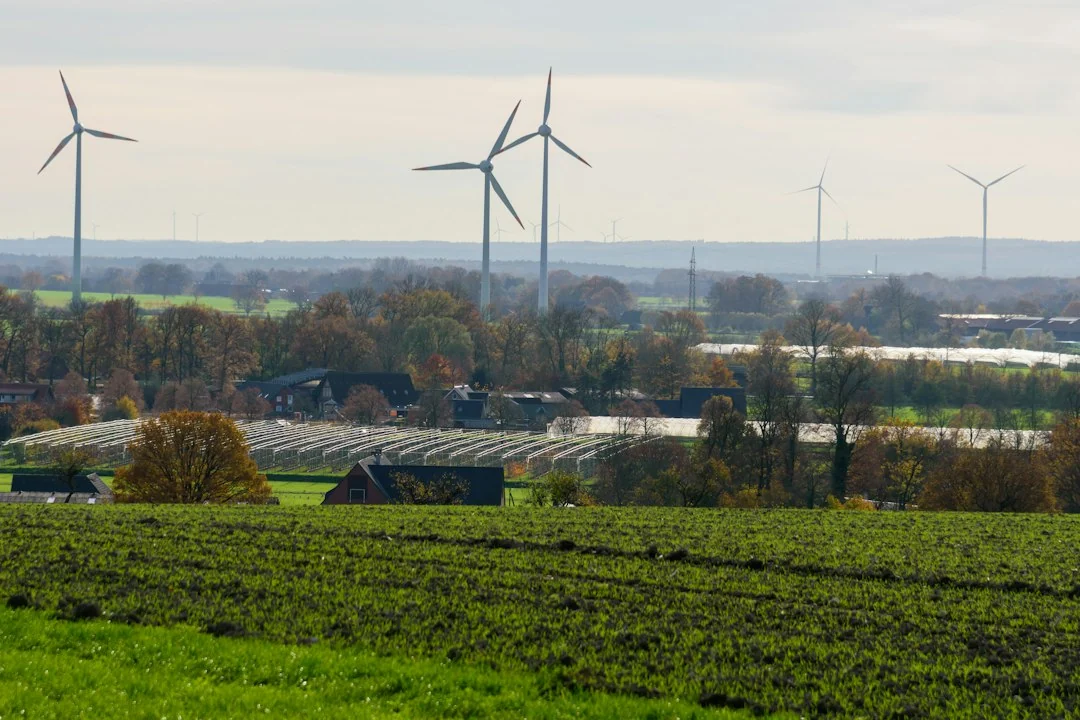
The integration of technology not only increases efficiency but also reduces the manual labor required for traditional monitoring methods. This shift enables project teams to allocate resources more effectively.
Data Collection and Analysis
Comprehensive data collection is the backbone of successful bio-swale monitoring. Key metrics to track include water infiltration rates, pollutant levels, and vegetation growth. Regular data collection provides a robust dataset that can be analyzed to identify trends and measure progress.
- Water Quality Testing: Regular testing for pollutants like nitrates and phosphates.
- Vegetation Surveys: Monitoring plant health and diversity.
- Soil Analysis: Checking for compaction and nutrient levels.

Community Involvement
Engaging the local community in the monitoring process can lead to more successful outcomes. Community members can assist in data collection, report anomalies, and participate in maintenance activities. This involvement not only educates the public but also fosters a sense of ownership and responsibility.
By involving residents, projects can benefit from local knowledge and insights, which may be invaluable for addressing specific challenges that arise.
Evaluating and Adapting Strategies
Effective monitoring requires continuous evaluation and adaptation. As data is collected and analyzed, strategies may need to be adjusted to address unforeseen challenges or optimize performance. This adaptive management approach ensures the bio-swale remains effective over time.

Regular project reviews and stakeholder meetings can facilitate this process, enabling teams to discuss findings and make informed decisions on necessary changes.
Conclusion
Tracking the success of bio-swale projects is a multifaceted process that involves setting clear objectives, leveraging technology, and engaging the community. By focusing on comprehensive data collection and adaptive management, we can ensure these projects deliver their intended environmental benefits effectively. As cities continue to embrace sustainable infrastructure, monitoring practices will play a critical role in shaping the future of urban landscapes.
Part of the EcoGuardian journal. This article retains its original publication context; references to grants, regulations, research, and services may have changed since publication.