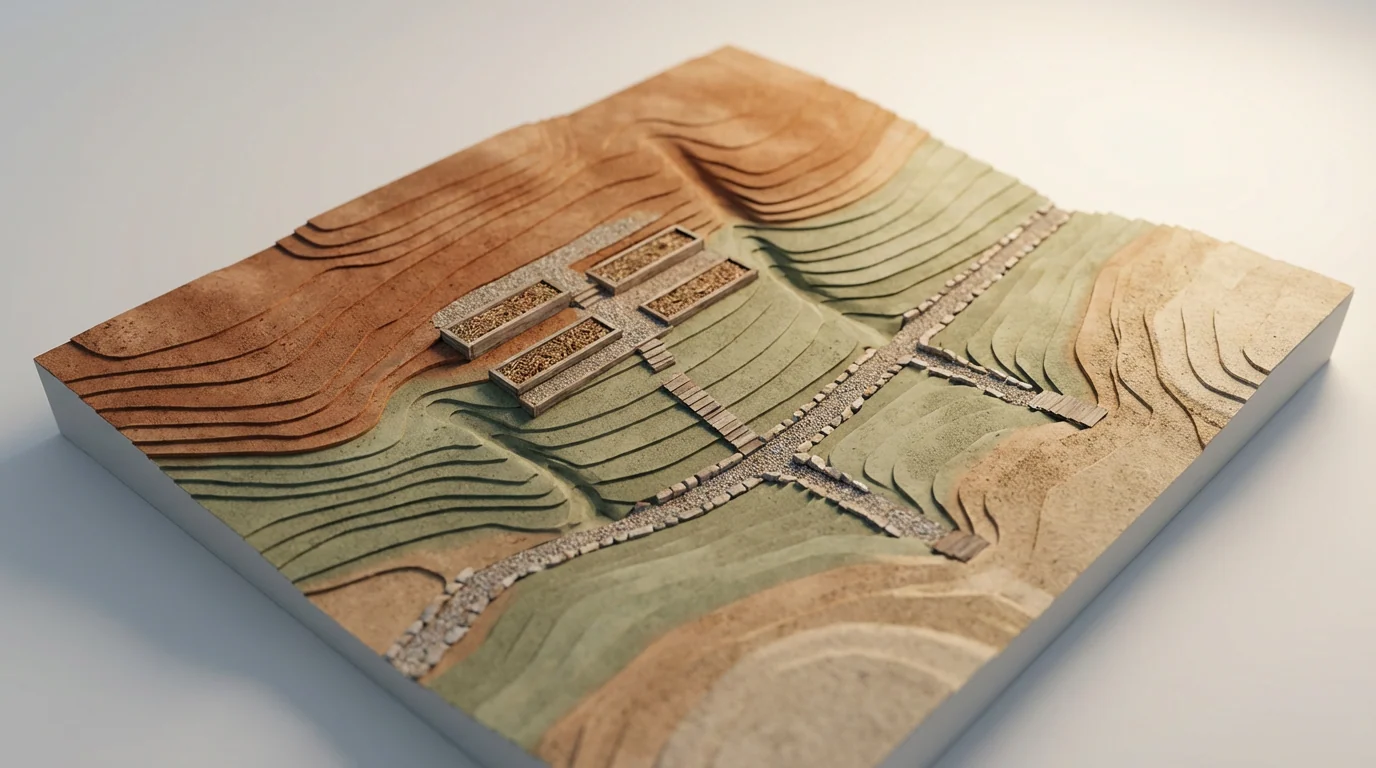
Understanding Topographic Evaluation
Topographic evaluation is a crucial first step in the implementation of bio-swales. It involves assessing the slope, elevation, and surface features of the land where the bio-swale will be installed. This information helps determine the natural flow of water and potential accumulation areas.
A well-conducted topographic evaluation ensures that the bio-swale is placed in an optimal location to manage stormwater effectively. It can also help identify any obstacles or challenges that may need to be addressed to maximize the bio-swale's performance.

Importance of Soil Type in Bio-Swale Design
The type of soil present in the area significantly influences the bio-swale's ability to filter and absorb water. Soil that is too compact or clay-heavy may hinder infiltration, while sandy soils might allow water to pass through too quickly.
Conducting a soil analysis helps in understanding the composition, permeability, and drainage capacity. This information is vital for selecting appropriate vegetation and designing the bio-swale structure to ensure effective water management.
Soil Permeability and Water Retention
Soil permeability refers to the rate at which water moves through soil pores. High permeability means faster drainage, which is beneficial to prevent waterlogging, but may require additional features to retain water longer for filtration.

Integrating Topography and Soil Data
Combining topographic and soil data aids in creating a comprehensive design for the bio-swale. By understanding both land features and soil characteristics, designers can tailor bio-swales that fit seamlessly into the landscape while fulfilling their environmental functions.
This integration helps in planning the bio-swale's size, shape, and depth, ensuring that it effectively channels and treats stormwater runoff while blending into the surrounding environment.
Challenges and Solutions
Implementing bio-swales can present challenges such as uneven terrain or poor soil conditions. These issues can be addressed through strategic planning and the use of amendments or engineered soils to enhance functionality.
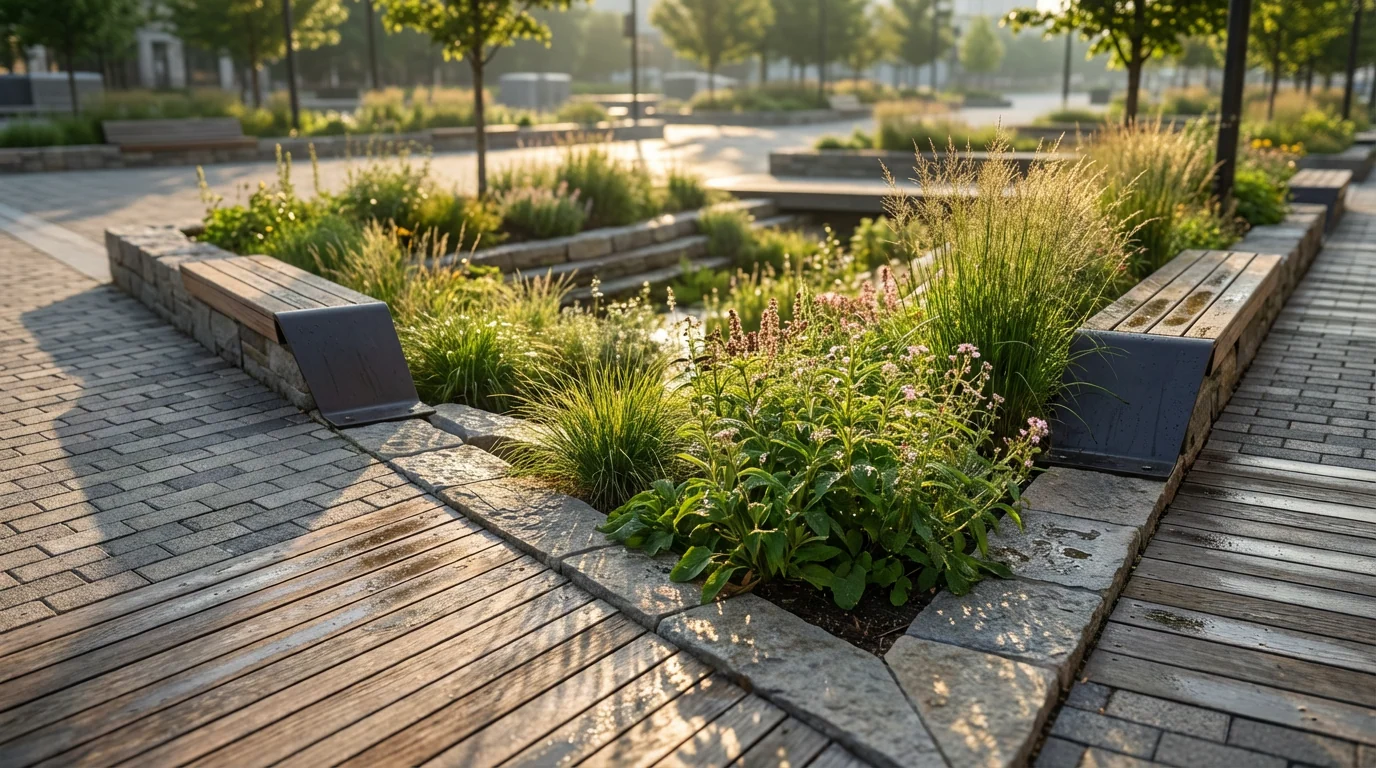
Vegetation Selection and Maintenance
Choosing the right vegetation is essential for bio-swale success. Plants must be able to withstand varying water conditions and contribute to the filtration process. Native plants are often recommended due to their adaptability and low maintenance requirements.
Regular maintenance is necessary to ensure the bio-swale remains effective. This includes removing debris, monitoring plant health, and checking for any signs of erosion or blockages.
Monitoring and Evaluation
Ongoing monitoring and evaluation of the bio-swale's performance are crucial for long-term success. This involves assessing its ability to manage stormwater, maintain structural integrity, and support healthy vegetation growth.
In conclusion, a thorough topographic and soil type evaluation is essential for the effective implementation of bio-swales. By considering the unique characteristics of the land and soil, designers can create efficient, sustainable solutions for stormwater management that protect and enhance the environment.
Part of the EcoGuardian journal. This article retains its original publication context; references to grants, regulations, research, and services may have changed since publication.