
Understanding Bio-Swales
Bio-swales are landscape elements designed to concentrate or remove debris and pollution out of surface runoff water. They are a sustainable option for managing stormwater, offering numerous environmental benefits. By integrating bio-swales into your property, you can contribute positively to the environment and enhance the aesthetic appeal of your landscape.
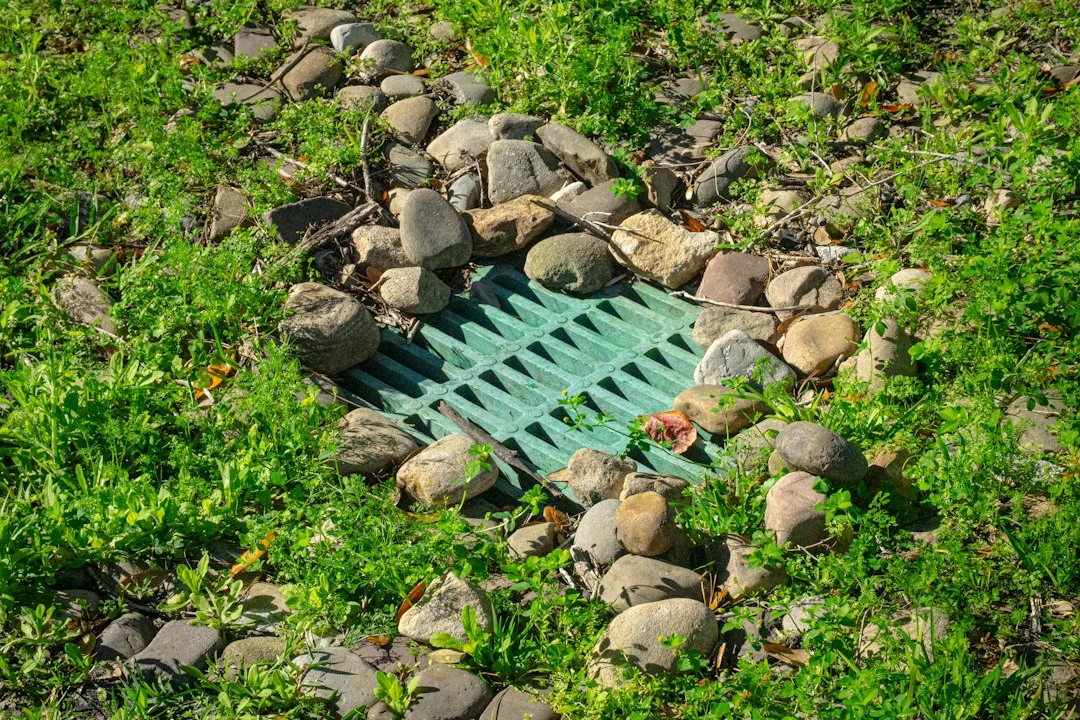
These structures are typically composed of vegetation, soil, and sometimes rock, which help to filter and slow down the flow of stormwater. The design of a bio-swale can vary, but all aim to promote water infiltration and reduce runoff.

Reducing Surface Runoff
One of the primary benefits of implementing bio-swales is the reduction of surface runoff. By absorbing rainwater and melting snow, bio-swales significantly decrease the volume of water that flows into storm drains. This helps prevent flooding and reduces the burden on municipal water treatment systems.
Surface runoff is a major contributor to water pollution, carrying contaminants from roads, lawns, and other surfaces into waterways. By managing this runoff, bio-swales help protect local water bodies and improve water quality.
Improving Water Quality
Bio-swales are highly effective at filtering out pollutants from stormwater. As water flows through the vegetation and soil within a bio-swale, contaminants such as heavy metals, oils, and sediments are trapped and absorbed. This natural filtration process greatly improves the quality of water that eventually enters local streams and rivers.
Moreover, the plants and microorganisms in bio-swales can break down organic pollutants, further enhancing the purification process. This leads to healthier aquatic ecosystems and safer drinking water sources.
Supporting Biodiversity
Implementing bio-swales on your property can create a habitat for a variety of plant and animal species. The vegetation used in bio-swales provides food and shelter for insects, birds, and small mammals, promoting biodiversity in urban areas.

By choosing native plants for your bio-swale, you can further support local wildlife. Native plants are adapted to the local climate and soil conditions, making them more resilient and beneficial to the surrounding ecosystem.
Enhancing Aesthetic Appeal
In addition to their environmental benefits, bio-swales can also enhance the visual appeal of your property. With careful planning and design, bio-swales can be integrated seamlessly into your landscape, adding texture, color, and interest.
They can be designed to align with the natural contours of your land, providing a harmonious and attractive feature that complements your overall landscape design.
Conclusion
By implementing bio-swales on your property, you not only contribute to environmental sustainability but also improve the aesthetic and functional value of your land. From reducing surface runoff and improving water quality to supporting biodiversity and enhancing beauty, bio-swales offer multiple benefits that make them a smart choice for any property owner.
Part of the EcoGuardian journal. This article retains its original publication context; references to grants, regulations, research, and services may have changed since publication.