Top Environmental Benefits of Bio-Swales in Walton County


Understanding Bio-Swales
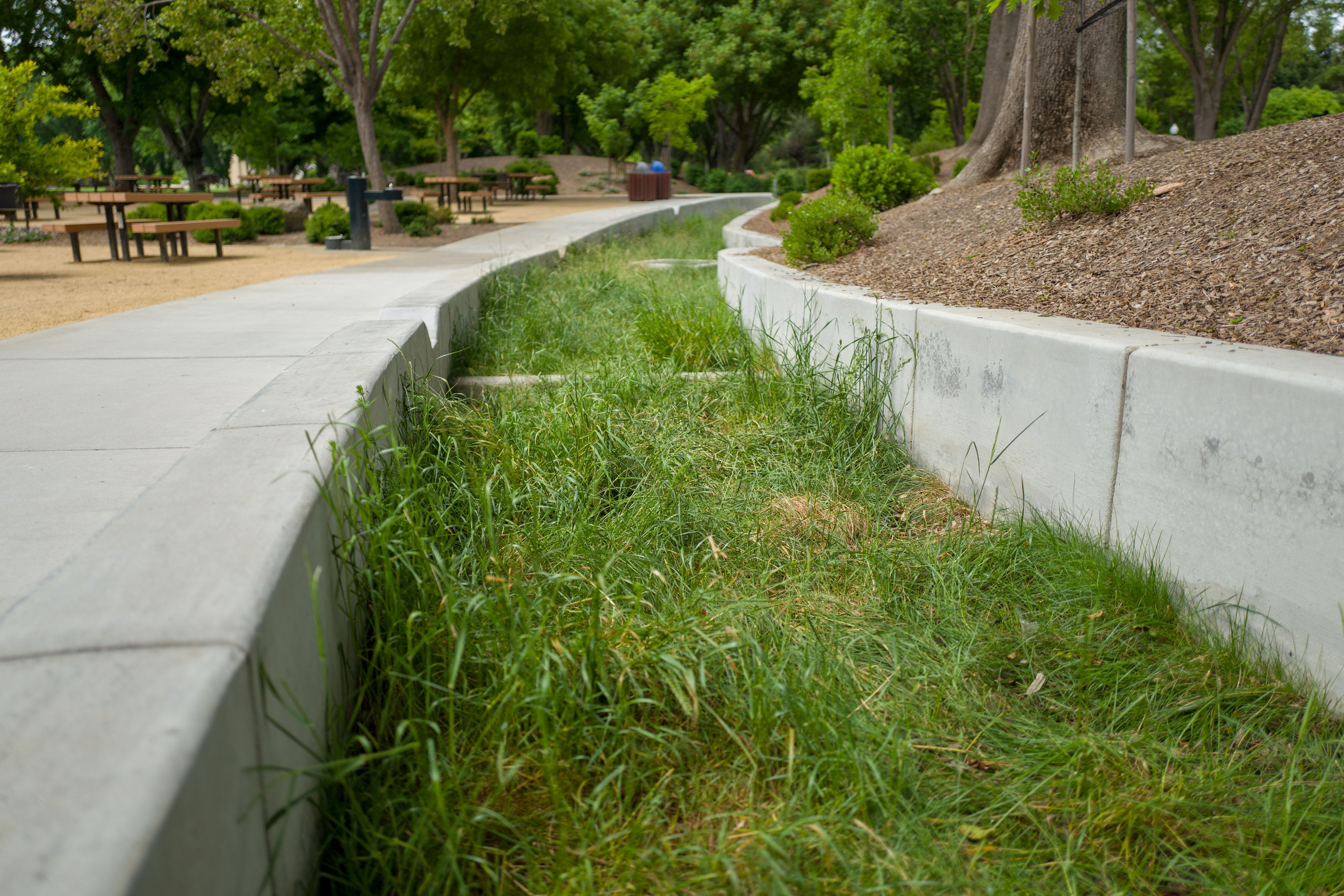
Bio-swales are landscape elements designed to concentrate or remove silt and pollution from surface runoff water. They are an integral part of green infrastructure, offering a sustainable solution to stormwater management. In Walton County, bio-swales are becoming increasingly popular due to their numerous environmental benefits.
These engineered features are typically vegetated, linear channels that guide rainwater through a natural filtration process. By mimicking natural water flow systems, bio-swales help to reduce the negative impacts of urbanization on local waterways.
Water Quality Improvement
One of the primary benefits of bio-swales is their ability to improve water quality. As water flows through a bio-swale, it is filtered by the vegetation and soil, which trap pollutants such as heavy metals, oils, and sediments. This natural filtration process significantly reduces the amount of contaminants entering local waterways.
Moreover, bio-swales can help to lower the levels of nutrients like nitrogen and phosphorus in the water. These nutrients, often found in fertilizers, can lead to harmful algal blooms if not controlled. By filtering them out, bio-swales contribute to healthier aquatic ecosystems.
Flood Mitigation
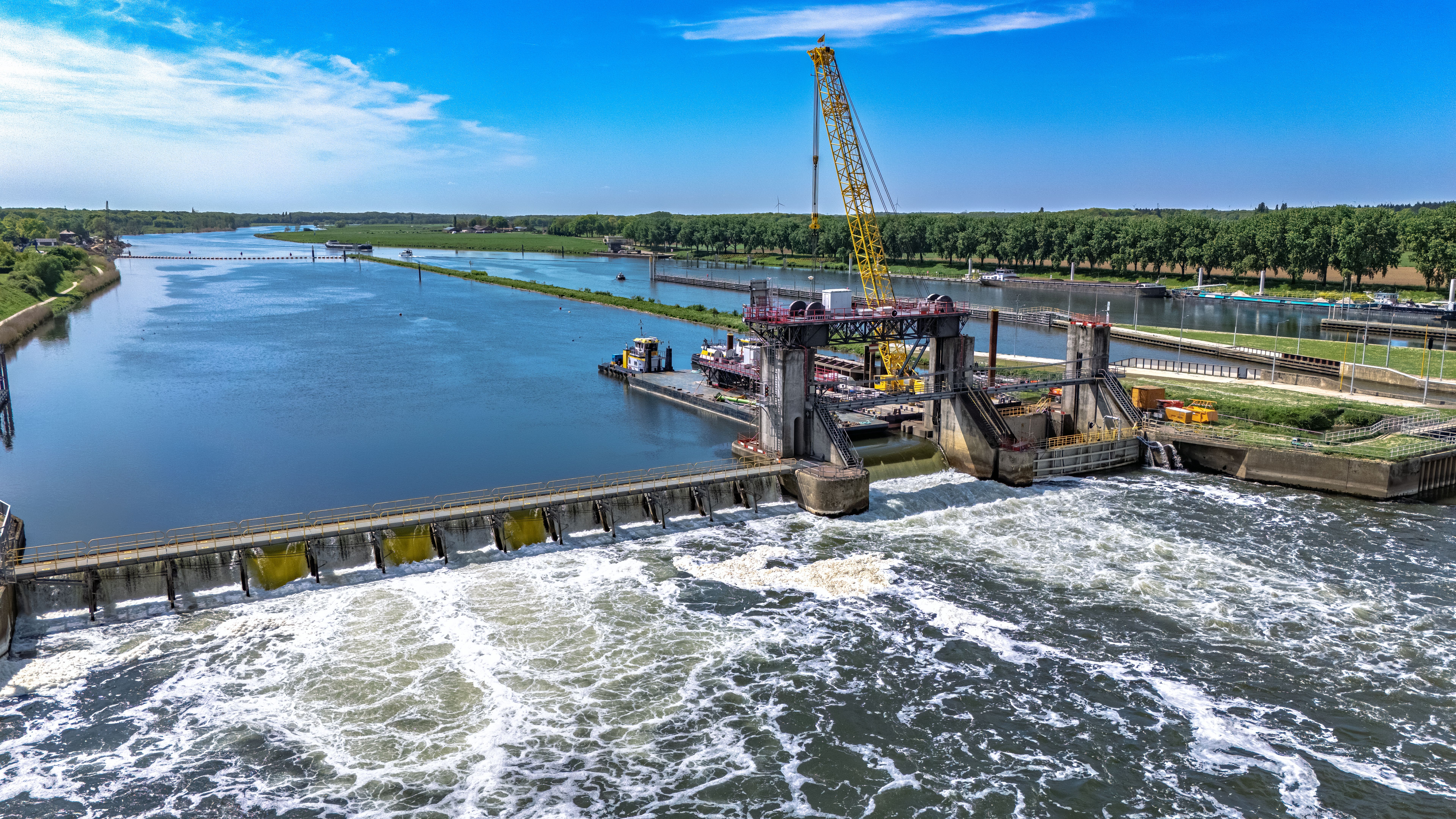
Bio-swales also play a crucial role in flood mitigation. By slowing down and absorbing rainwater, they reduce the volume and speed of runoff. This helps to prevent flooding in urban areas, particularly during heavy rain events.
In Walton County, where rainfall can be intense, bio-swales provide a critical buffer against stormwater surges. They help to prevent erosion and protect infrastructure, making urban environments more resilient to climate change effects.
Enhancing Biodiversity
Beyond water management, bio-swales contribute to enhancing local biodiversity. The vegetation used in bio-swales provides habitat for various wildlife species, including birds, insects, and small mammals. This promotes a healthy and balanced ecosystem within urban settings.
Choosing native plants for bio-swales can further enhance their ecological value. Native species are well-adapted to the local climate and soil conditions, requiring less maintenance and providing better support for local wildlife.
Urban Aesthetic and Recreational Value
In addition to their environmental benefits, bio-swales offer aesthetic and recreational value to urban landscapes. They can transform otherwise dull or unused spaces into attractive green areas, improving the visual appeal of neighborhoods.

Residents of Walton County can enjoy these green spaces for relaxation and recreation, fostering a stronger connection with nature. The presence of bio-swales can also increase property values, making them a wise investment for communities.
Conclusion
In summary, bio-swales provide a multifaceted solution to some of the environmental challenges faced by urban areas in Walton County. By improving water quality, mitigating floods, enhancing biodiversity, and adding aesthetic value, bio-swales are a vital component of sustainable urban development.
As communities continue to grow and face the pressures of climate change, integrating bio-swales into urban planning will be essential for creating resilient and environmentally friendly cities.