Introduction to Bio-Swales
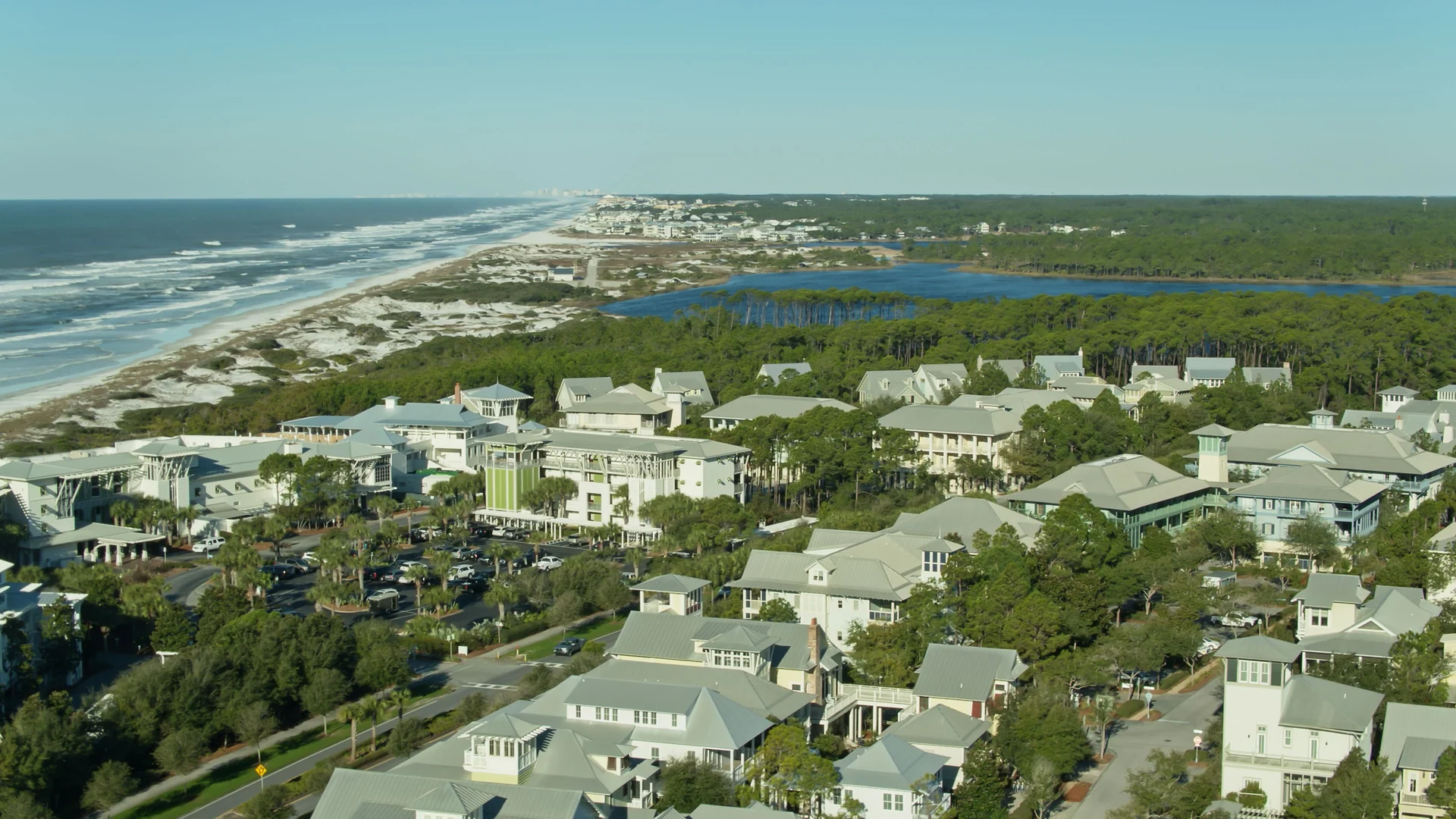
Bio-swales are innovative landscape elements designed to manage water runoff, improve water quality, and enhance local ecosystems. In Walton County, these projects have been instrumental in promoting sustainable urban development. Let's explore the top five success stories that highlight the impact and benefits of bio-swales in this region.
Promoting Urban Sustainability
1. Coastal Community Resilience
Walton County's coastal communities have benefited immensely from bio-swale projects. By strategically placing these systems in flood-prone areas, local authorities have significantly reduced flooding incidents. This not only protects properties but also preserves the natural coastal environment.
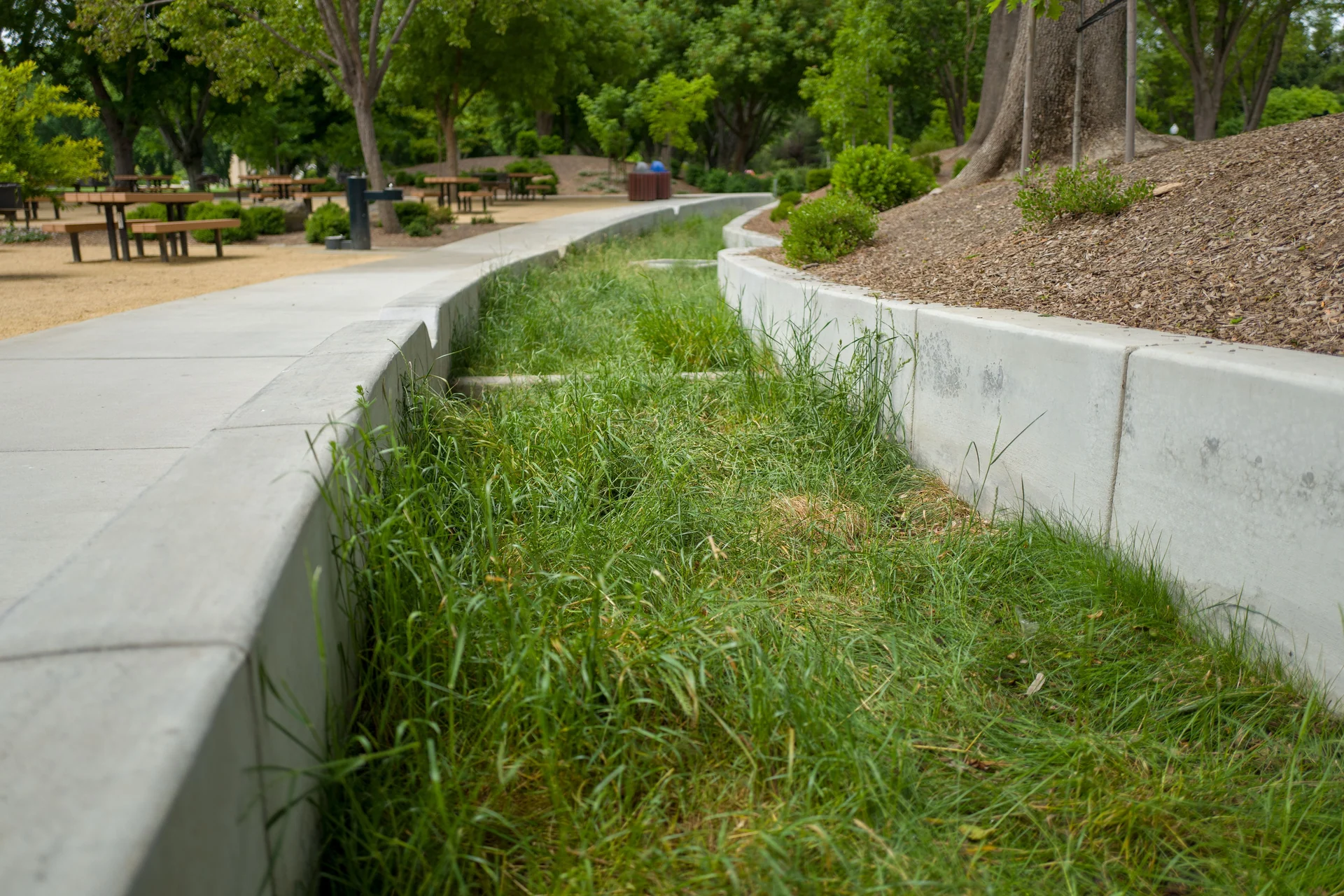
2. Enhancing Public Parks
Bio-swales have transformed public parks into eco-friendly spaces. In particular, the installation in Sand Dunes Park demonstrates how these systems can integrate with recreational areas, making them more sustainable while providing educational opportunities for visitors about ecological conservation.
Economic and Environmental Impact
3. Boosting Local Economy
Implementing bio-swales has led to economic benefits for Walton County. The projects have created jobs in construction and environmental management, while also attracting eco-tourism. Visitors keen on sustainability often explore these sites, contributing to the local economy.
4. Improving Water Quality
One of the most significant impacts of bio-swales in Walton County is their role in improving water quality. By filtering pollutants from runoff before it reaches natural water bodies, these projects help maintain healthier ecosystems, benefiting both wildlife and residents.
Community Engagement and Education
5. Educational Initiatives
Bio-swale projects have also served as educational platforms. Schools and community groups engage with these installations to learn about sustainable practices and environmental stewardship. This fosters a culture of conservation and sustainability among residents of all ages.

In conclusion, the bio-swale projects in Walton County exemplify the power of sustainable infrastructure in enhancing community resilience, protecting the environment, and boosting the local economy. These success stories serve as models for other regions aiming to implement similar eco-friendly solutions.
Part of the EcoGuardian journal. This article retains its original publication context; references to grants, regulations, research, and services may have changed since publication.