The Role of Bio-Swales in Ecological Restoration and Pollution Control


Understanding Bio-Swales
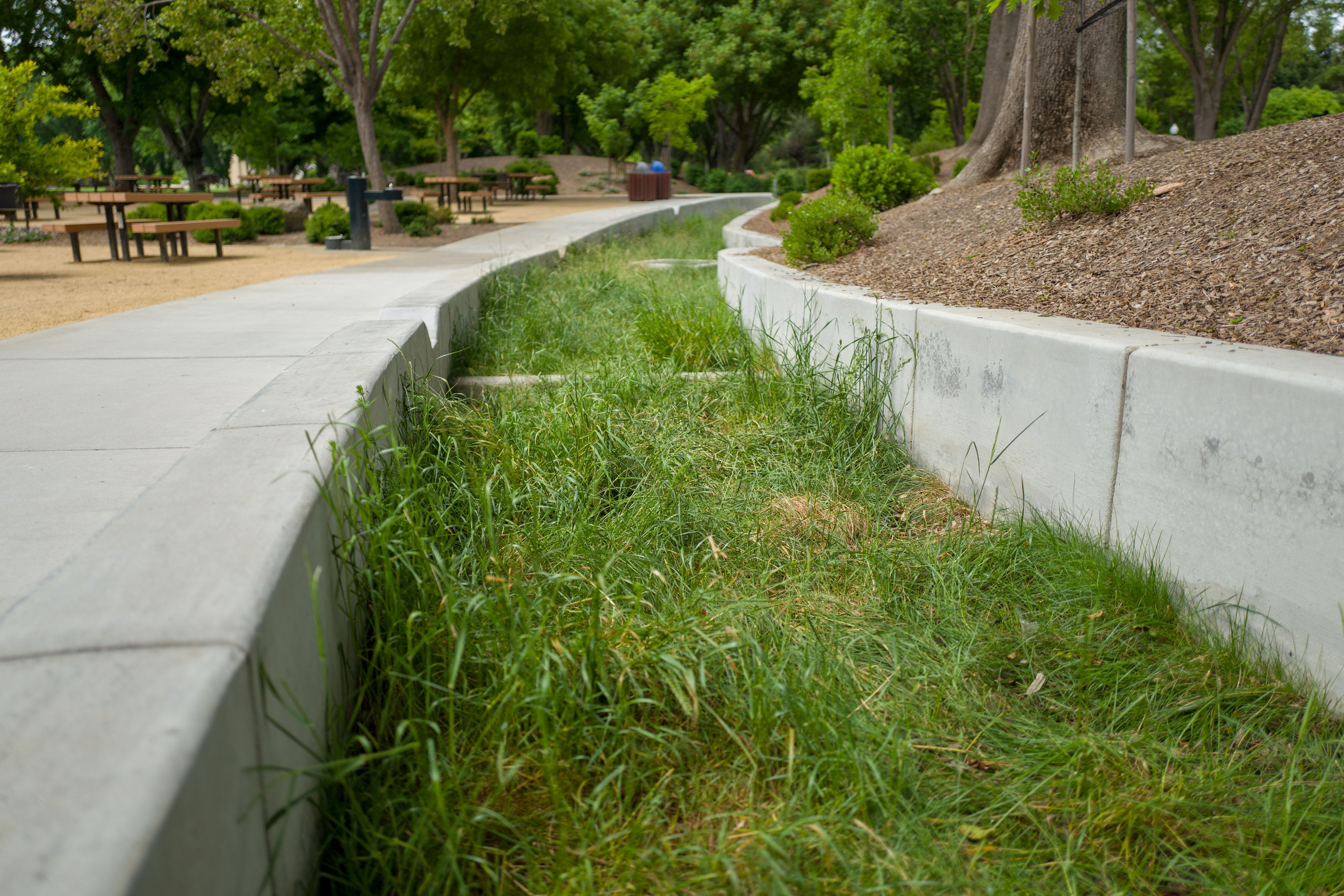
In the realm of ecological restoration and pollution control, bio-swales have emerged as a vital tool. These landscape elements are designed to concentrate and convey stormwater runoff while removing debris and pollution. Bio-swales are often found in urban areas, where they replace conventional drainage systems with a more environmentally friendly option.
The primary function of a bio-swale is to slow down water flow, allowing it to percolate into the ground. This process helps filter pollutants and recharge groundwater supplies. By mimicking natural waterways, bio-swales effectively reduce the impact of urban runoff on local ecosystems.
The Structure of Bio-Swales
Bio-swales are typically designed with a gentle slope and are filled with vegetation, rocks, and sometimes engineered soil. The vegetation is crucial as it traps pollutants and provides habitat for local wildlife. The choice of plants is often native species that are well-suited to the local climate and soil conditions.
A well-designed bio-swale incorporates several layers, including a surface layer of vegetation, a filter layer of soil or gravel, and an underdrain system if necessary. This layered structure enhances the bio-swale's ability to filter and purify stormwater effectively.
Ecological Benefits of Bio-Swales
Bio-swales offer numerous ecological benefits beyond pollution control. They provide critical habitats for wildlife and contribute to the biodiversity of urban areas. The presence of native plants attracts pollinators, such as bees and butterflies, which are essential for maintaining healthy ecosystems.
Additionally, bio-swales help mitigate the urban heat island effect by adding greenery to otherwise paved surfaces. This not only cools the surrounding environment but also improves air quality by absorbing carbon dioxide and releasing oxygen.

Pollution Control and Water Quality Improvement
One of the most significant advantages of bio-swales is their ability to improve water quality. As stormwater passes through a bio-swale, pollutants such as sediments, heavy metals, and nutrients are filtered out. This natural filtration process is crucial for protecting water bodies from contamination.
Bio-swales also help in the reduction of nutrient loads, particularly nitrogen and phosphorus, which are common contributors to water pollution. By controlling these nutrients, bio-swales prevent issues like algal blooms that can devastate aquatic ecosystems.
Challenges and Considerations
Despite their benefits, implementing bio-swales comes with challenges. Proper design and maintenance are essential to their effectiveness. Without regular upkeep, bio-swales can become clogged with debris, reducing their efficiency and potentially causing flooding.
Moreover, the initial cost of installing bio-swales can be higher than traditional drainage systems. However, the long-term ecological and economic benefits often outweigh these costs, especially when considering reduced stormwater management expenses and improved environmental quality.
The Future of Bio-Swales in Urban Planning
As cities around the world grapple with the effects of climate change and urbanization, bio-swales offer a sustainable solution. They align with green infrastructure strategies aimed at creating resilient urban environments that can withstand the challenges of increased rainfall and flooding.
Urban planners are increasingly incorporating bio-swales into new developments and retrofitting existing areas. This shift reflects a broader trend towards integrating nature-based solutions into urban infrastructure, promoting healthier and more sustainable communities.

In conclusion, bio-swales play a crucial role in ecological restoration and pollution control. By enhancing water quality, providing wildlife habitats, and contributing to urban cooling, they represent a forward-thinking approach to environmental stewardship. As awareness and implementation of these systems continue to grow, bio-swales will undoubtedly become a staple in sustainable urban design.