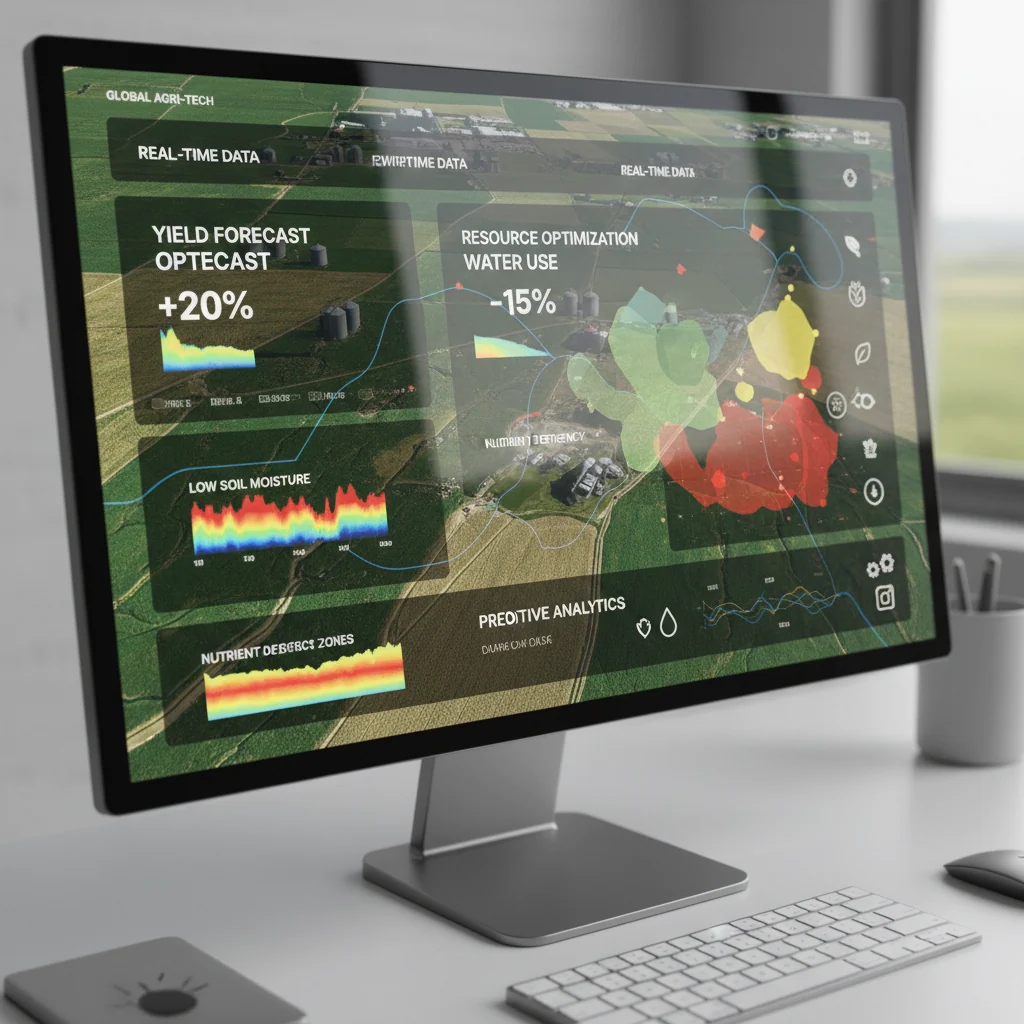
The Growing Importance of Bio-Swales
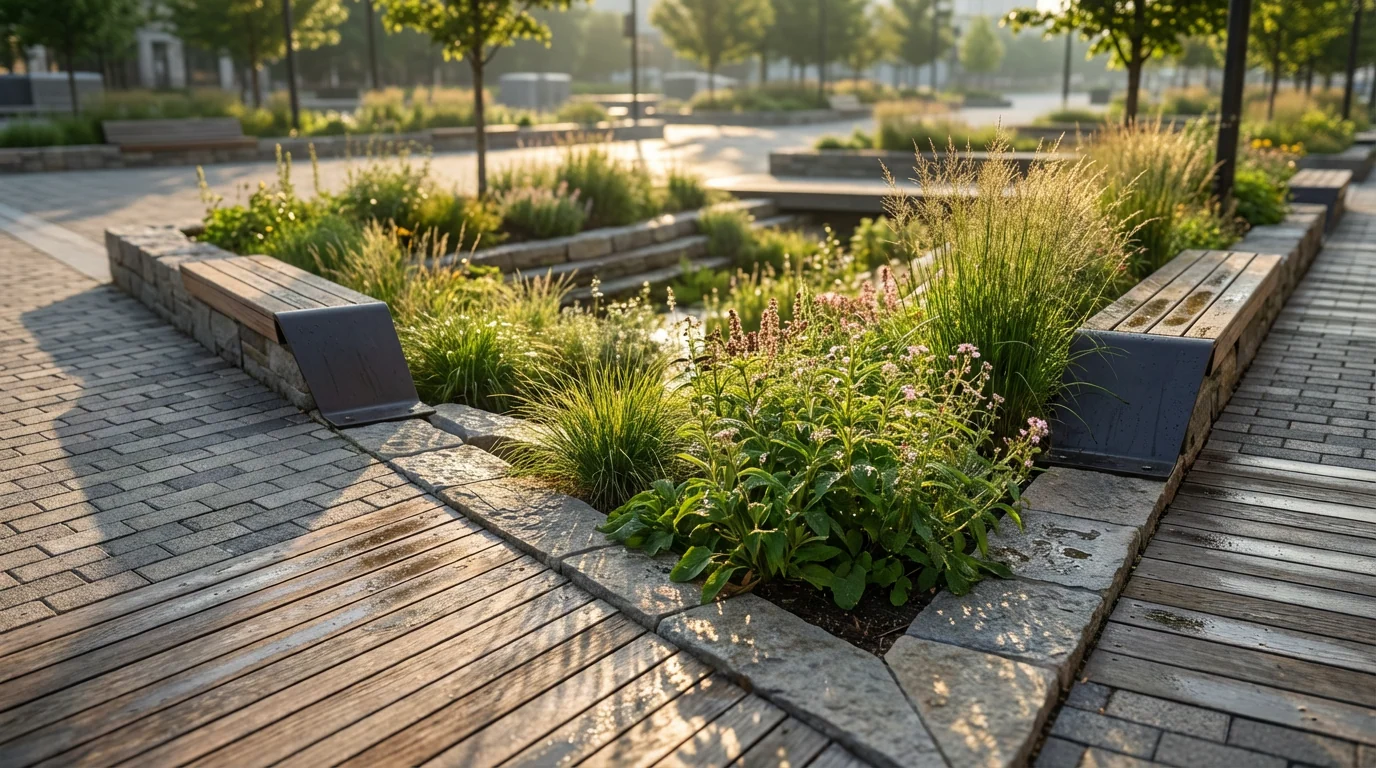
Bio-swales are becoming an increasingly popular solution for managing stormwater runoff in urban areas. These landscaped elements not only help in reducing water pollution but also enhance the aesthetic appeal of neighborhoods. However, implementing bio-swales often requires significant funding, which is where grant applications come into play.
Applying for bio-swale grants can be a daunting and time-consuming task. This is where the role of Artificial Intelligence (AI) becomes crucial, helping to streamline the process and increase the chances of success.
Understanding the Grant Application Process
The typical grant application process involves several steps, including research, document preparation, and submission. Each step requires meticulous attention to detail, as even small errors can lead to rejection. Traditionally, this process has been labor-intensive, but AI is changing the game.
Research and Data Collection
AI can significantly aid in the initial phase of research and data collection. By utilizing machine learning algorithms, AI tools can quickly gather and analyze relevant data, such as historical weather patterns and soil conditions, making it easier to justify the need for bio-swales in a specific area.

Document Preparation and Customization
One of the most time-consuming aspects of grant applications is document preparation. AI has the capability to automate document generation, ensuring that all necessary sections are completed accurately. Furthermore, AI can customize applications to meet the specific requirements of each funding body, increasing the likelihood of approval.
Enhancing Proposal Quality
AI tools can also assist in enhancing the quality of the proposal by providing recommendations based on successful past applications. They can suggest improvements in language, structure, and content, ensuring the proposal stands out to reviewers.

Submission and Follow-Up
After the application is prepared, AI can assist in the submission process by ensuring that all deadlines are met and that the application is sent to the correct department. Additionally, AI can track the status of applications and send reminders for follow-ups, keeping applicants informed at every stage.
Improving Success Rates
By reducing human error and increasing efficiency, AI can significantly improve the success rates of bio-swale grant applications. This allows organizations to secure the necessary funding more quickly and focus on the implementation of their projects.
The Future of AI in Environmental Initiatives
As AI technology continues to evolve, its role in environmental initiatives like bio-swale projects is expected to grow. By streamlining grant applications, AI not only saves time and resources but also accelerates the adoption of sustainable solutions in urban planning.
In conclusion, the integration of AI in bio-swale grant applications represents a promising development in the pursuit of environmentally friendly urban infrastructure. As organizations embrace this technology, they can look forward to a more efficient and effective grant application process.
Part of the EcoGuardian journal. This article retains its original publication context; references to grants, regulations, research, and services may have changed since publication.