
Understanding Bio-Swales
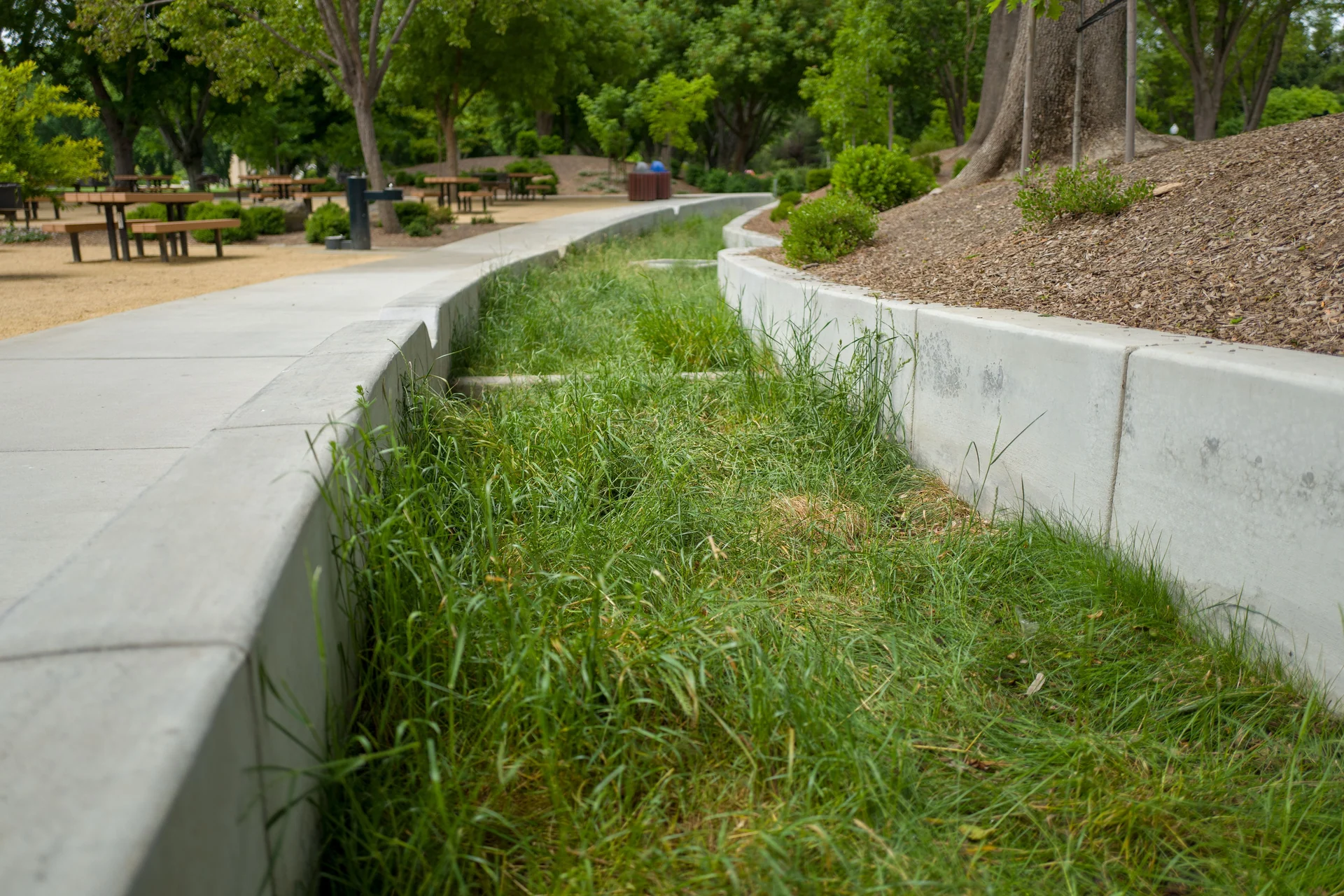
Bio-swales are engineered landscape features designed to manage stormwater runoff. They are shallow, vegetated channels that naturally filter and absorb rainwater, reducing the load on traditional drainage systems. By incorporating plants and soil, bio-swales help to remove pollutants and sediments from the water before it reaches local waterways.
Walton County has been proactive in adopting bio-swales as part of its environmental initiatives. These efforts underscore a commitment to sustainability and improving water quality in the region.
The Role of Bio-Swales in Walton County
Walton County's bio-swale initiatives are part of a broader strategy to enhance environmental resilience. By integrating these green infrastructures, the county aims to reduce flooding, improve water quality, and promote biodiversity. The use of native plants in bio-swales helps to restore local ecosystems and supports wildlife habitats.
Moreover, the county is engaging with local communities to raise awareness about the benefits of bio-swales. Educational programs are being implemented to encourage residents and businesses to adopt similar practices.
Advantages of Implementing Bio-Swales
The advantages of bio-swales in Walton County are numerous:
- Improved Water Quality: By filtering pollutants, bio-swales enhance the quality of water entering rivers and streams.
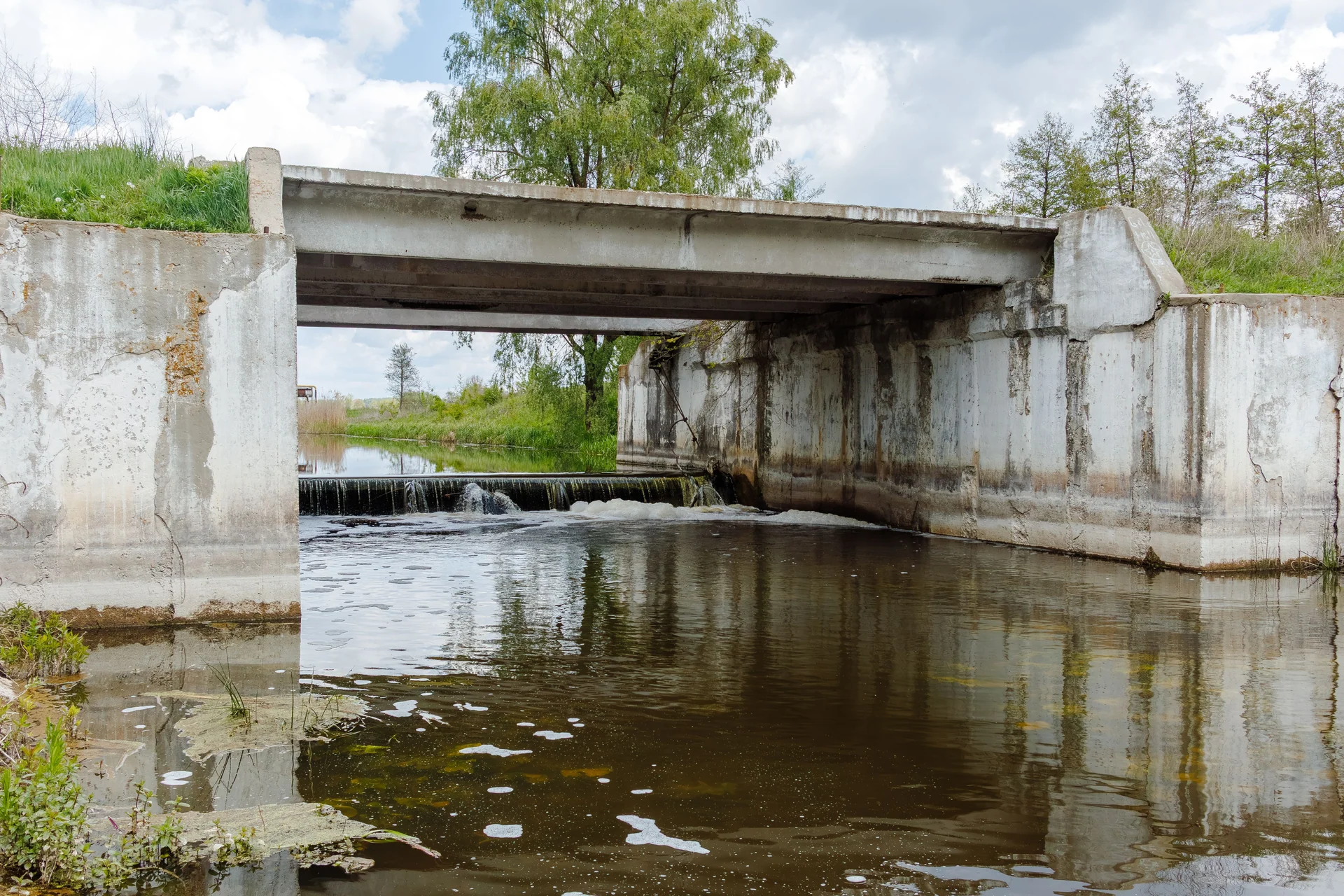
- Flood Mitigation: These structures help manage stormwater runoff, reducing the risk of flooding in urban areas.
- Cost-Effective: Compared to traditional drainage systems, bio-swales are more economical to install and maintain.
Community Involvement and Education
Community involvement is crucial for the success of Walton County's bio-swale initiatives. Local workshops and seminars are being conducted to educate residents about stormwater management and the role of bio-swales. These programs aim to empower the community to participate in environmental conservation actively.
Partnerships with schools and educational institutions are also fostering a new generation of environmentally conscious citizens. By integrating bio-swale education into school curriculums, Walton County ensures that young minds are aware of sustainable practices.
Challenges and Future Directions
Despite the numerous benefits, implementing bio-swales in Walton County is not without challenges. Issues such as maintenance, funding, and public awareness need continuous attention. Addressing these challenges requires collaboration between government agencies, environmental organizations, and the community.
Looking ahead, Walton County plans to expand its bio-swale network and explore innovative technologies to enhance their effectiveness. By doing so, the county sets a precedent for other regions aiming to adopt sustainable water management practices.
Conclusion
Walton County's bio-swale initiatives demonstrate a commitment to environmental stewardship and sustainable development. By embracing these green infrastructures, the county not only addresses current environmental challenges but also paves the way for a more resilient and eco-friendly future.
As more communities look to adopt similar practices, the lessons learned from Walton County's initiatives will serve as a valuable blueprint for sustainable urban planning and water management.
Part of the EcoGuardian journal. This article retains its original publication context; references to grants, regulations, research, and services may have changed since publication.