Introduction to Bio-Swales
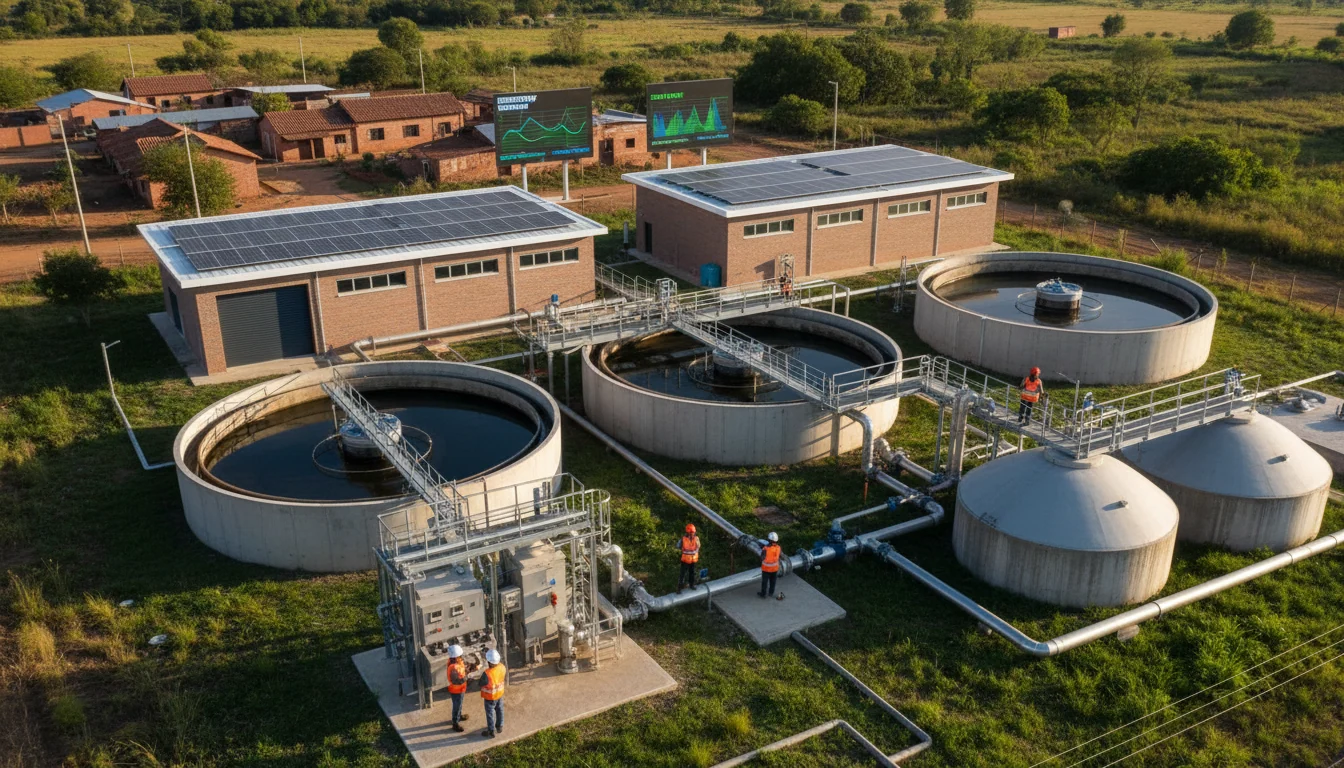
In recent years, Walton County has embraced innovative solutions to address environmental challenges. One standout initiative is the implementation of bio-swales. These landscape elements play a crucial role in managing stormwater runoff, improving water quality, and enhancing the local ecosystem.
The Need for Transformation
Walton County faced significant stormwater management issues, resulting in frequent flooding and water pollution. Traditional drainage systems were not only costly but also inadequate in addressing these problems. This paved the way for a more sustainable approach: bio-swales.
What Are Bio-Swales?
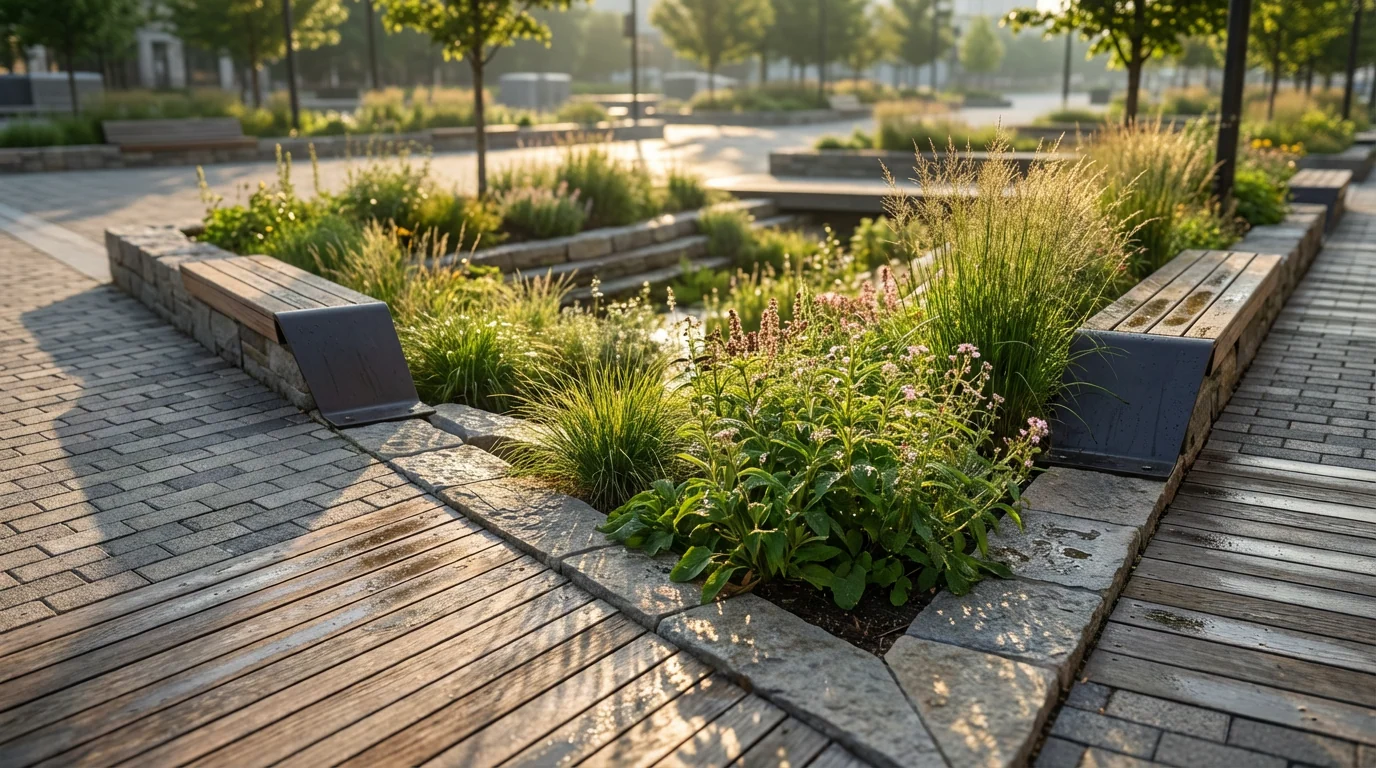
Bio-swales are vegetated, shallow, and landscaped channels designed to slow, collect, and filter rainwater. By using native plants and specially engineered soil, they naturally remove pollutants and improve water infiltration into the ground. This not only reduces runoff but also enhances local biodiversity.

Implementation in Walton County
The transformation began with a pilot project in collaboration with local environmental organizations. Key locations prone to flooding were identified, and bio-swales were strategically installed. The results were immediate and promising, leading to further expansion of the initiative.
Community Involvement
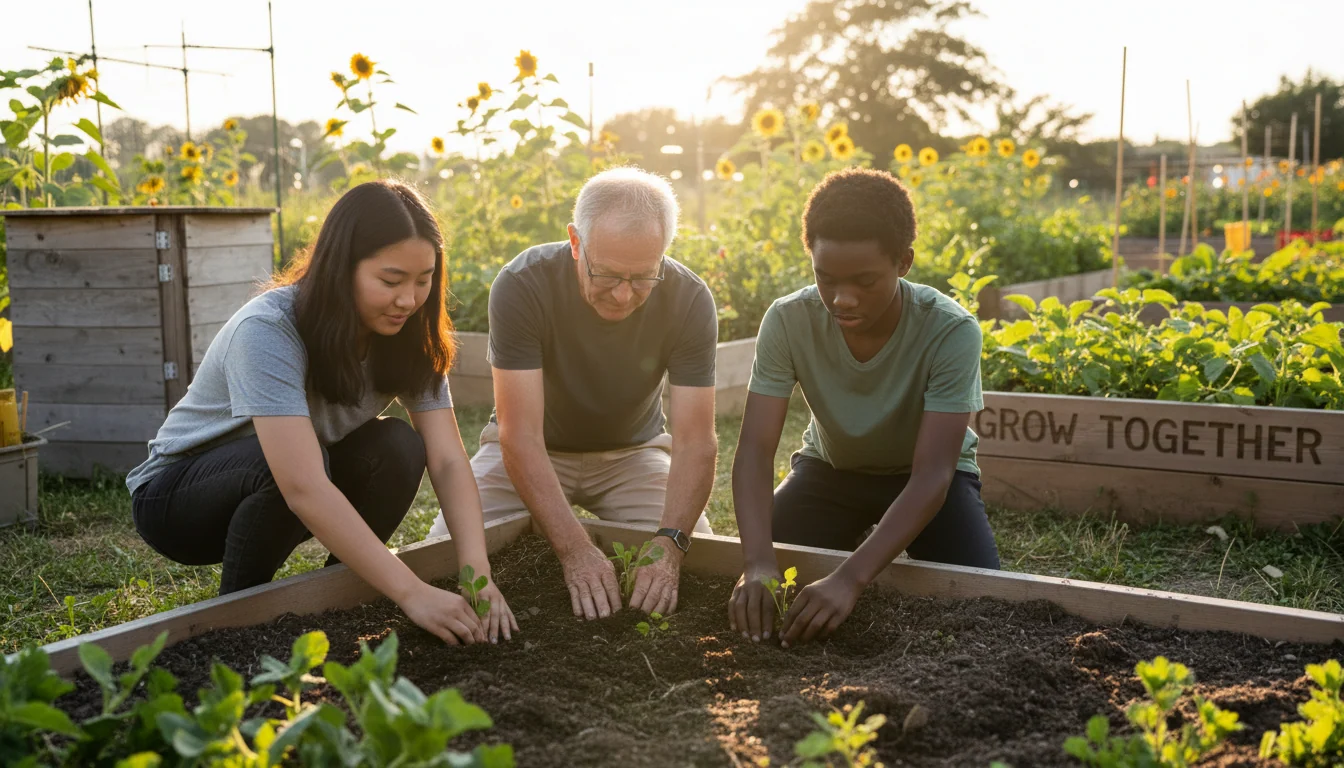
Community engagement played a vital role in the success of this project. Workshops and educational sessions were organized to inform residents about the benefits of bio-swales. Volunteers participated in planting native vegetation, fostering a sense of ownership and pride in the project.
Benefits Observed
The impact of bio-swales in Walton County has been profound. Some of the key benefits include:
- Significant reduction in local flooding incidents.
- Improvement in the quality of water entering local water bodies.
- Enhanced aesthetic and recreational value of public spaces.
- Increased biodiversity and habitat creation for wildlife.
Looking Ahead
Building on the success of bio-swales, Walton County plans to integrate more green infrastructure projects. Future initiatives may include rain gardens, green roofs, and permeable pavements, all aimed at creating a more sustainable and resilient environment.
Conclusion
The transformation of Walton County through bio-swales is a testament to the power of sustainable practices. By embracing nature-based solutions, the county not only addressed its environmental challenges but also fostered a stronger, more connected community. This success story serves as an inspiration for other regions facing similar issues.
Part of the EcoGuardian journal. This article retains its original publication context; references to grants, regulations, research, and services may have changed since publication.