Innovative Solutions for Environmental Challenges
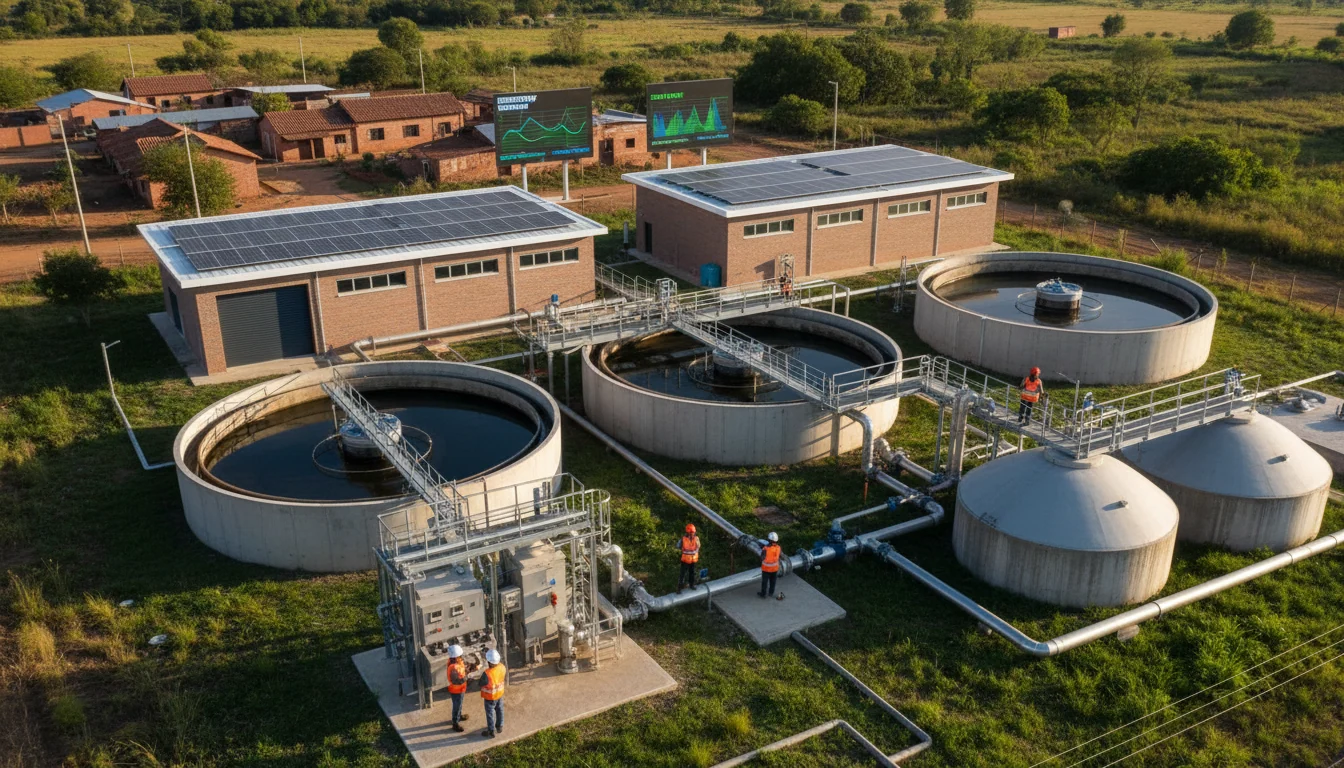
Walton County has long faced the challenges of managing stormwater runoff, a common issue that affects many communities. Traditional methods of water management often fall short, leading to flooding and water pollution. However, a transformative solution has emerged, turning these challenges into opportunities for innovation and sustainability: bio-swales.
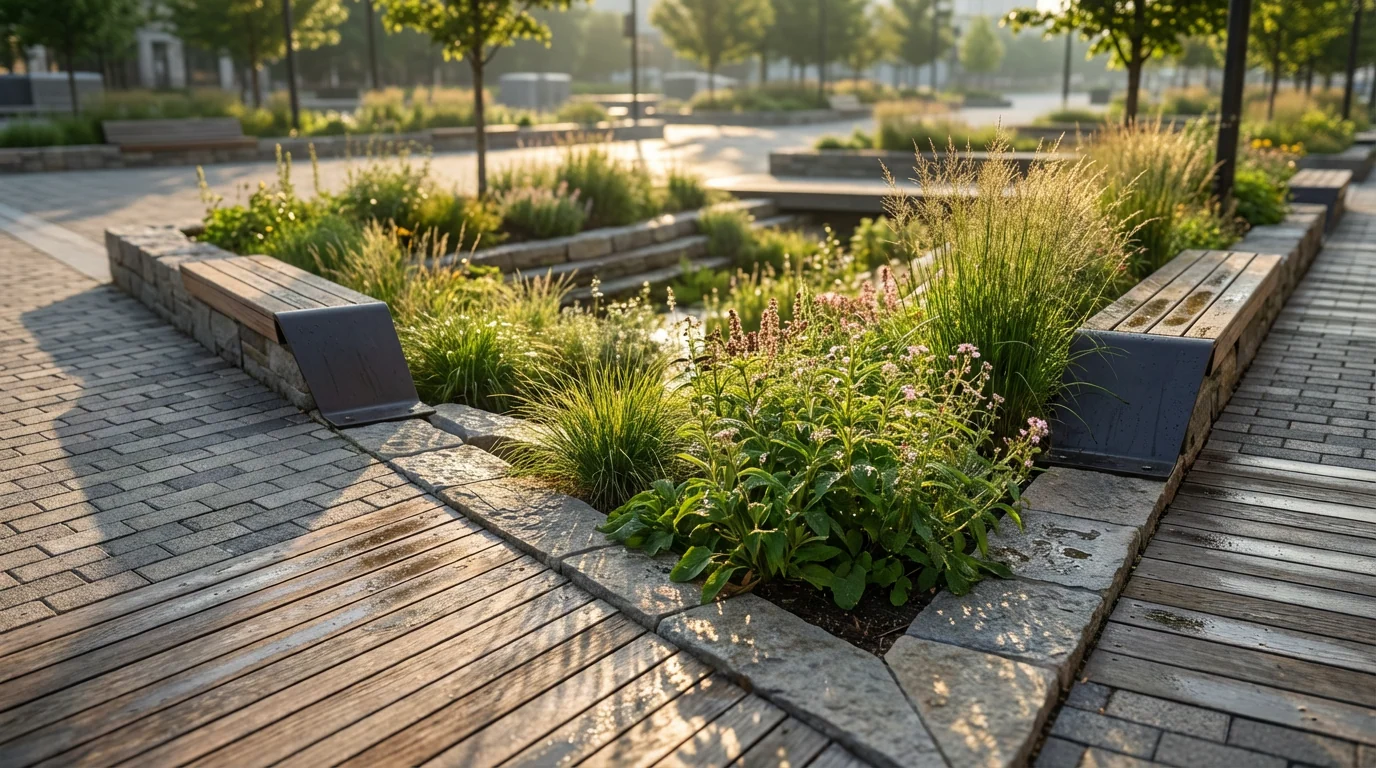
Bio-swales are landscape elements designed to concentrate and convey stormwater runoff while removing debris and pollution. These systems use vegetation and soil to filter water, significantly reducing pollutants and managing runoff more effectively than conventional systems. Walton County's adoption of bio-swales has become a model for other communities facing similar environmental concerns.
Implementing Bio-Swales in Walton County
The journey of transforming Walton County began with a collaborative effort between local government, environmental experts, and community members. Understanding the benefits of bio-swales, the county embarked on a mission to integrate these systems into their infrastructure.
The implementation process involved several key steps:
- Identifying critical areas prone to flooding and pollution.
- Designing bio-swales that complement the natural landscape.
- Engaging community members to raise awareness and support.
- Monitoring and maintaining the systems for optimal performance.
Positive Environmental Impact
The introduction of bio-swales has led to remarkable environmental improvements in Walton County. These systems have effectively reduced stormwater runoff, minimized erosion, and improved water quality. The county has reported a significant decrease in pollutants entering local waterways, benefiting both the ecosystem and the community.
Additionally, bio-swales have enhanced the aesthetic appeal of urban areas, creating green spaces that attract wildlife and provide recreational opportunities for residents. By integrating nature into urban planning, Walton County has set a precedent for sustainable development.
Community Involvement and Education
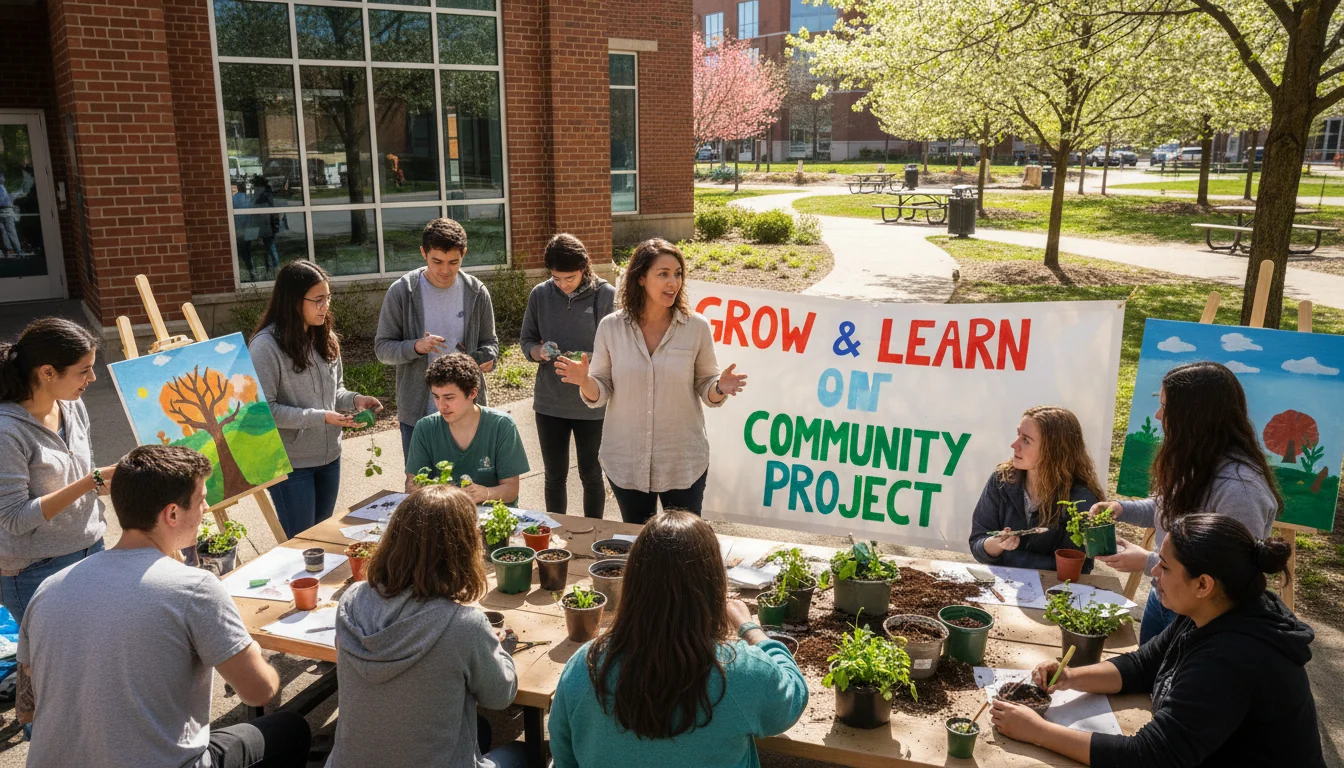
One of the most notable aspects of Walton County's success story is the active involvement of its residents. Community workshops and educational programs have played a crucial role in the project's success. These initiatives have empowered residents to understand the importance of bio-swales and how they contribute to a healthier environment.

Local schools have also integrated lessons on bio-swales and environmental stewardship into their curriculum, fostering a new generation of environmentally conscious citizens. This educational aspect ensures the sustainability of the project, as young people become advocates for their community's green initiatives.
Looking Ahead: Future Plans and Goals
Walton County's success with bio-swales has inspired future projects aimed at further enhancing the region's environmental resilience. Plans are underway to expand the network of bio-swales, particularly in areas that have yet to benefit from these systems.
The county is also exploring other green infrastructure solutions, such as green roofs and permeable pavements, to complement the bio-swales. By continuously innovating and investing in sustainable practices, Walton County is paving the way for a greener, healthier future.
In conclusion, Walton County's transformation through bio-swales serves as a powerful example of how communities can address environmental challenges with creativity and collaboration. By prioritizing sustainability and community involvement, Walton County has not only solved a pressing issue but has also created a blueprint for others to follow.
Part of the EcoGuardian journal. This article retains its original publication context; references to grants, regulations, research, and services may have changed since publication.