Introduction to Bio-Swale Projects
Walton County has witnessed a remarkable transformation through the implementation of bio-swale projects. These innovative solutions have proven to be effective in managing stormwater runoff, improving water quality, and enhancing the natural landscape. This blog post explores the success stories behind these projects and how they are benefiting the community.
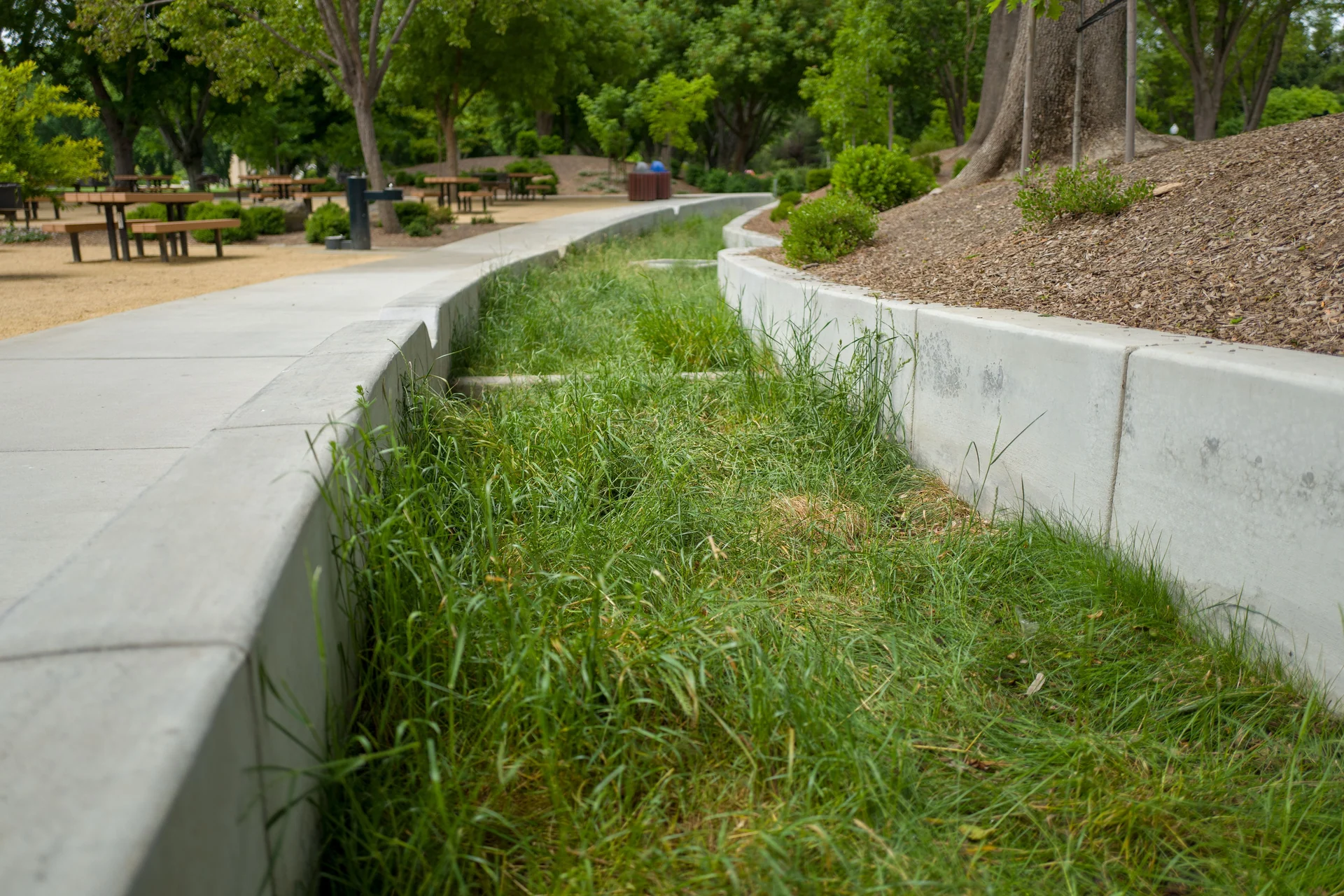
The Need for Sustainable Water Management
With increasing urbanization, Walton County faced significant challenges in managing stormwater. Traditional systems often led to flooding and pollution in local waterways. The county recognized the need for sustainable solutions to address these issues, leading to the adoption of bio-swales as a key strategy.
Bio-swales are designed to mimic natural water filtration processes. They use vegetation and soil to capture and treat stormwater, reducing pollutants and controlling flow rates. This approach not only helps in water management but also supports local biodiversity.
Community Involvement and Support
The success of the bio-swale projects in Walton County can be attributed to strong community involvement and support. Local residents, businesses, and government agencies collaborated to ensure the projects met the needs of the community. Educational workshops and public forums were conducted to raise awareness and encourage participation.

Volunteers played a crucial role in planting native vegetation and maintaining the bio-swales. This hands-on involvement fostered a sense of ownership and pride among residents, further ensuring the longevity and success of the projects.
Environmental and Economic Benefits
The positive impact of the bio-swale projects extends beyond environmental benefits. By reducing stormwater runoff and improving water quality, these projects have also enhanced property values and reduced infrastructure costs. Businesses have reported reduced flooding incidents, leading to less disruption and lower maintenance expenses.

Moreover, the aesthetic appeal of bio-swales has contributed to the beautification of public spaces, attracting visitors and boosting local tourism. The harmonious blend of function and form has made these projects a model for other communities seeking sustainable solutions.
Looking Ahead: Future Plans
Building on the success of the current projects, Walton County is planning to expand its bio-swale initiatives. Future phases will focus on integrating these systems into urban planning and new developments, ensuring that sustainability remains a priority.
The county aims to continue its collaborative approach, involving stakeholders at every stage of the process. By sharing experiences and best practices, Walton County hopes to inspire other regions to adopt similar strategies for water management and environmental conservation.
Conclusion
Walton County's bio-swale projects represent a triumph of innovation, community involvement, and sustainable development. These initiatives have not only transformed the local landscape but have also set a precedent for others to follow. As Walton County looks to the future, its success stories serve as a beacon of what can be achieved through collaboration and commitment to environmental stewardship.
Part of the EcoGuardian journal. This article retains its original publication context; references to grants, regulations, research, and services may have changed since publication.