
Transforming Communities with Bio-Swale Projects
In recent years, Walton County has emerged as a leader in sustainable development, thanks to its innovative bio-swale projects. These natural drainage systems are not only helping to manage stormwater but are also bringing a range of ecological benefits to the community. With growing awareness of environmental issues, bio-swales have become a cornerstone of the county's efforts to create a greener and more resilient environment.
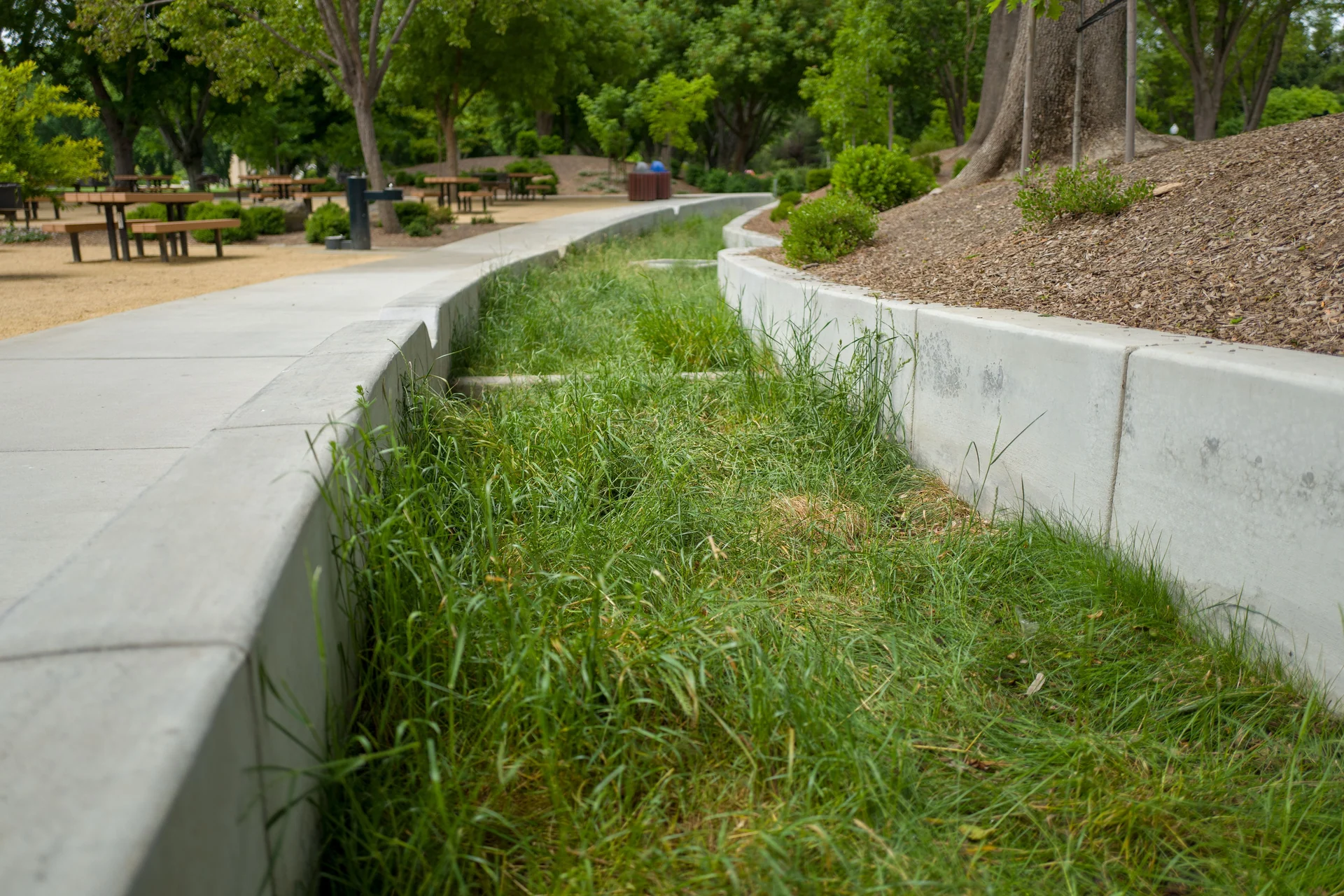
Bio-swales are designed to mimic natural landscapes, using vegetation and soil to filter and absorb stormwater runoff. This approach reduces the burden on traditional drainage systems and helps to prevent flooding. Walton County's commitment to sustainability is evident in its investment in these projects, which are reshaping the local landscape in remarkable ways.
Environmental Benefits and Community Impact
The positive impact of bio-swales on the environment is significant. By filtering pollutants and promoting groundwater recharge, these systems enhance the quality of local water bodies. This not only benefits the ecosystem but also improves the overall health of the community.
Moreover, bio-swales contribute to the beautification of urban spaces. The incorporation of native plants and trees creates aesthetically pleasing green corridors that enhance the visual appeal of neighborhoods. In Walton County, this approach has fostered a greater sense of community pride and engagement.
Economic Advantages of Bio-Swales
Aside from environmental benefits, bio-swales offer economic advantages. The reduction in flooding-related damages translates to lower maintenance costs for infrastructure. Additionally, the increase in green spaces can boost property values and attract investment into the region.
In Walton County, local businesses have also experienced a positive impact. The improved landscape and environmental quality have drawn more visitors, boosting local tourism and commerce. This underscores the interconnectedness of environmental health and economic prosperity.

Challenges and Solutions
While the success of bio-swale projects is evident, implementing them is not without challenges. Initial costs and the need for ongoing maintenance can be hurdles. However, Walton County has addressed these issues through strategic planning and community involvement.
Funding partnerships and educational programs have been key to overcoming obstacles. By engaging residents and local businesses in the process, the county has ensured long-term support and sustainability for these projects.
The Future of Bio-Swales in Walton County
Looking ahead, Walton County plans to expand its bio-swale initiatives. Future projects will focus on integrating technology to enhance efficiency and monitoring capabilities. This forward-thinking approach aims to maximize the benefits of bio-swales and ensure their sustainability for years to come.
The success stories emerging from Walton County serve as an inspiring example for other communities. By prioritizing sustainable practices, the county is not only improving its own environment but also setting a standard for others to follow. As more areas adopt similar strategies, the cumulative impact on the planet could be profound.
Part of the EcoGuardian journal. This article retains its original publication context; references to grants, regulations, research, and services may have changed since publication.