
The Impact of Bio-Swale Micro-Grants
In recent years, communities have increasingly turned to sustainable practices to address environmental challenges. One such initiative making a significant impact is the introduction of bio-swale micro-grants. These grants are designed to fund small-scale projects that manage stormwater and reduce pollution, enhancing both the community and local ecosystems.

Bio-swales are landscape elements that use vegetation and soil to manage water runoff. They play a crucial role in filtering pollutants before they reach larger bodies of water. By providing financial support through micro-grants, communities are empowered to implement these eco-friendly solutions at a local level.
Empowering Local Initiatives
Micro-grants offer a unique opportunity for neighborhoods and small organizations to take initiative. With relatively modest funding, these groups can design and construct bio-swales tailored to their specific needs. This localized approach ensures that the solutions are relevant and effective, addressing the unique environmental challenges of each community.
Moreover, the involvement in such projects fosters a sense of ownership and responsibility among community members. Residents are more likely to maintain and care for the bio-swales, ensuring their long-term success.

Environmental Benefits
The environmental advantages of bio-swales are substantial. These green infrastructures help reduce flooding by absorbing excess rainwater, thus mitigating the impact of heavy storms. They also improve water quality by filtering out pollutants and sediments before they enter natural water systems.
Additionally, bio-swales can enhance biodiversity by providing habitats for various plant and animal species. This contributes to a healthier and more resilient ecosystem, which benefits both the environment and the community.
Case Studies: Success in Action
Several communities have already witnessed remarkable transformations thanks to bio-swale micro-grants. For example, a neighborhood in Portland, Oregon, used the funding to create a series of bio-swales that significantly reduced local flooding and improved the cleanliness of nearby rivers.
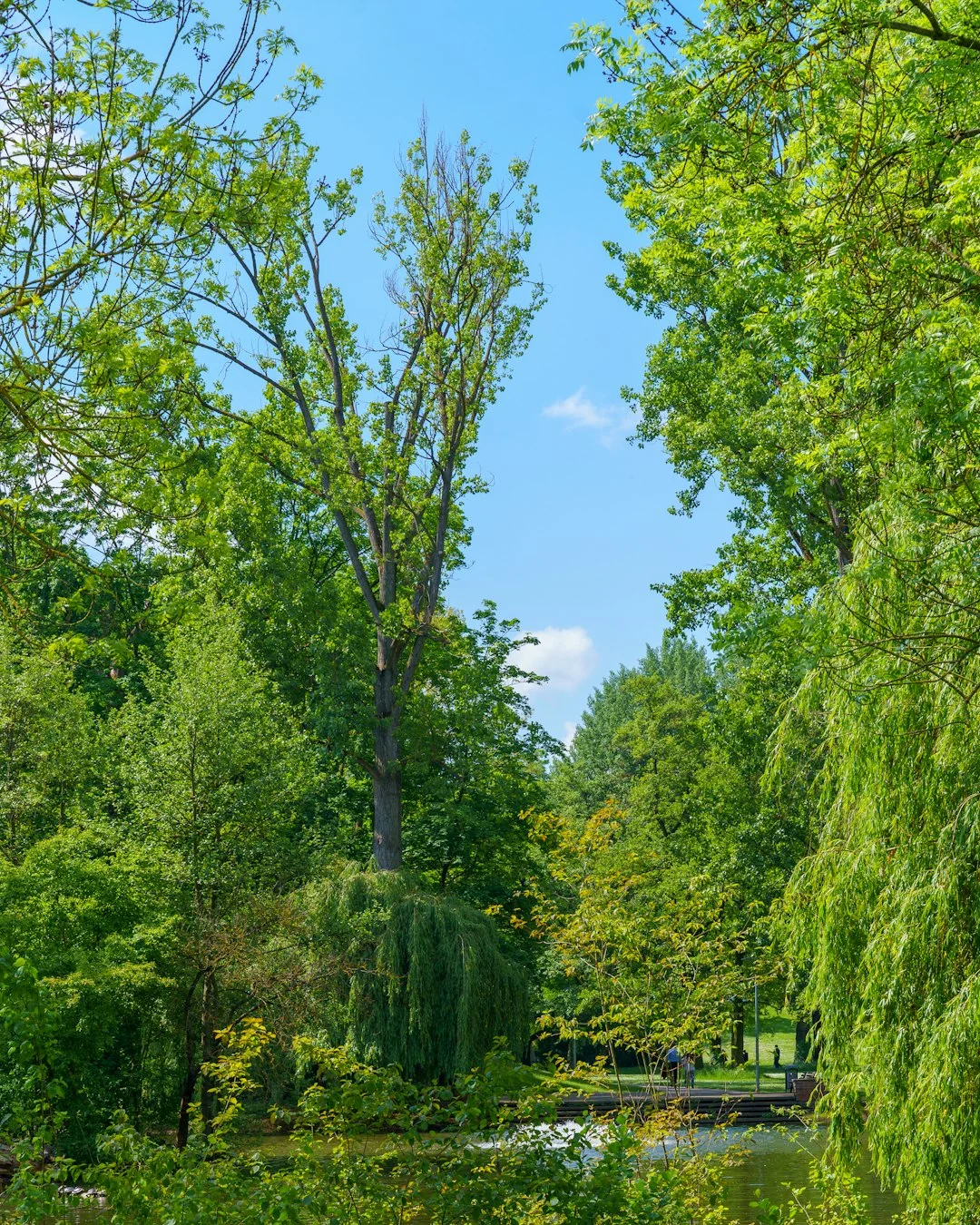
Similarly, a community group in Austin, Texas, successfully implemented bio-swales that not only managed stormwater but also beautified public spaces. These projects have become models for other communities looking to adopt similar sustainable practices.
Challenges and Opportunities
While the success stories are inspiring, implementing bio-swales is not without challenges. Some communities face obstacles such as limited space or lack of technical knowledge. However, these challenges can be overcome with proper planning and collaboration with environmental experts.
Opportunities for education and skill-building arise from these projects. Workshops and training sessions can equip community members with the necessary skills to design and maintain bio-swales effectively, ensuring the sustainability of these initiatives.
The Future of Bio-Swale Projects
As awareness of environmental issues continues to grow, the demand for sustainable solutions like bio-swales is likely to increase. Micro-grants will play a pivotal role in this expansion, enabling more communities to implement eco-friendly projects that benefit both people and the planet.
With continued support and innovation, bio-swale micro-grants have the potential to transform countless communities, paving the way for a greener, more sustainable future.
Part of the EcoGuardian journal. This article retains its original publication context; references to grants, regulations, research, and services may have changed since publication.