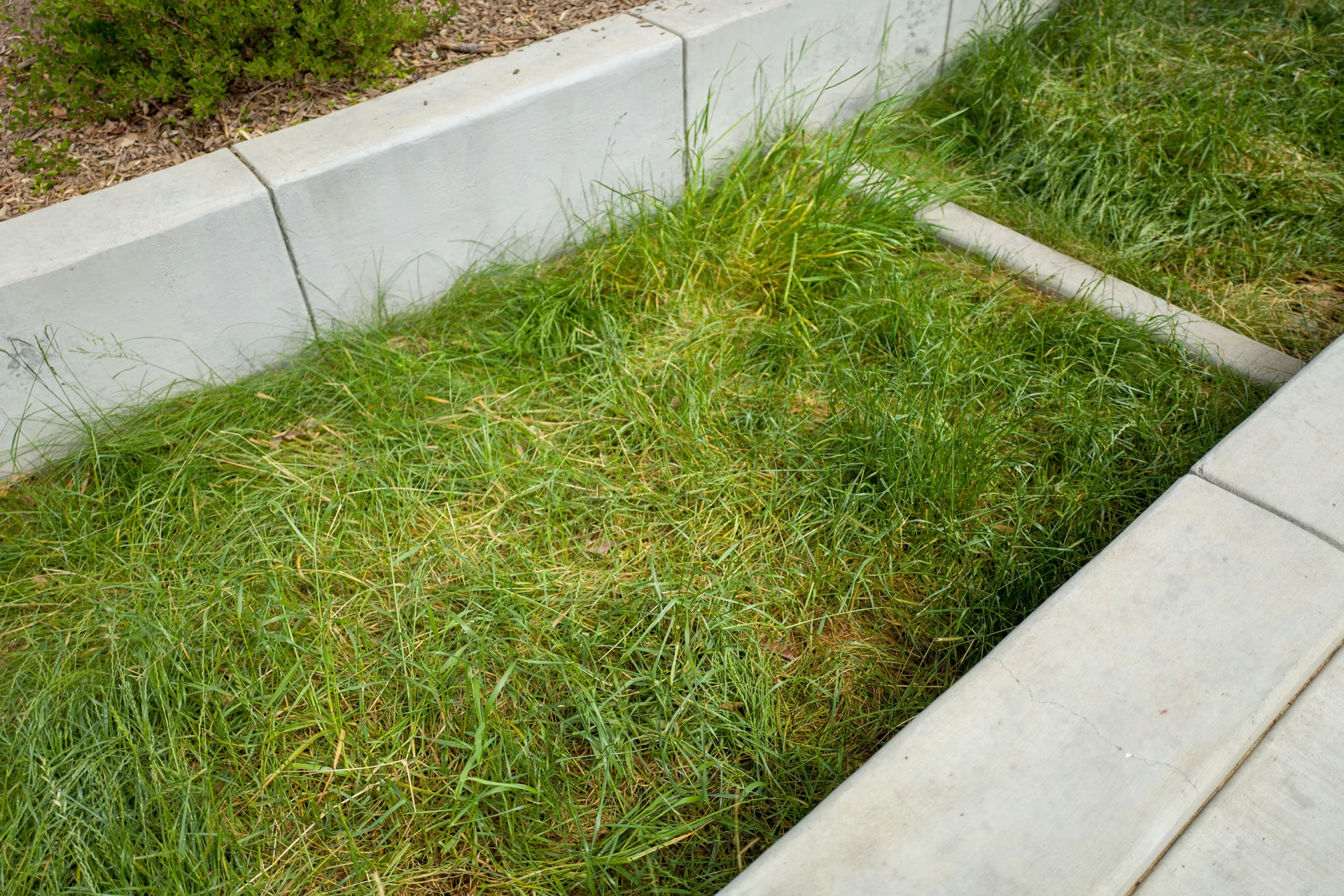
Bio-swales are an excellent way to manage stormwater runoff while enhancing the aesthetic appeal of homeowner properties. These landscape features not only help in reducing water pollution but also promote groundwater recharge. If you're considering a bio-swale project, it's crucial to evaluate it effectively to ensure its success. Here are some steps to guide you through the process.
Understanding Bio-Swales
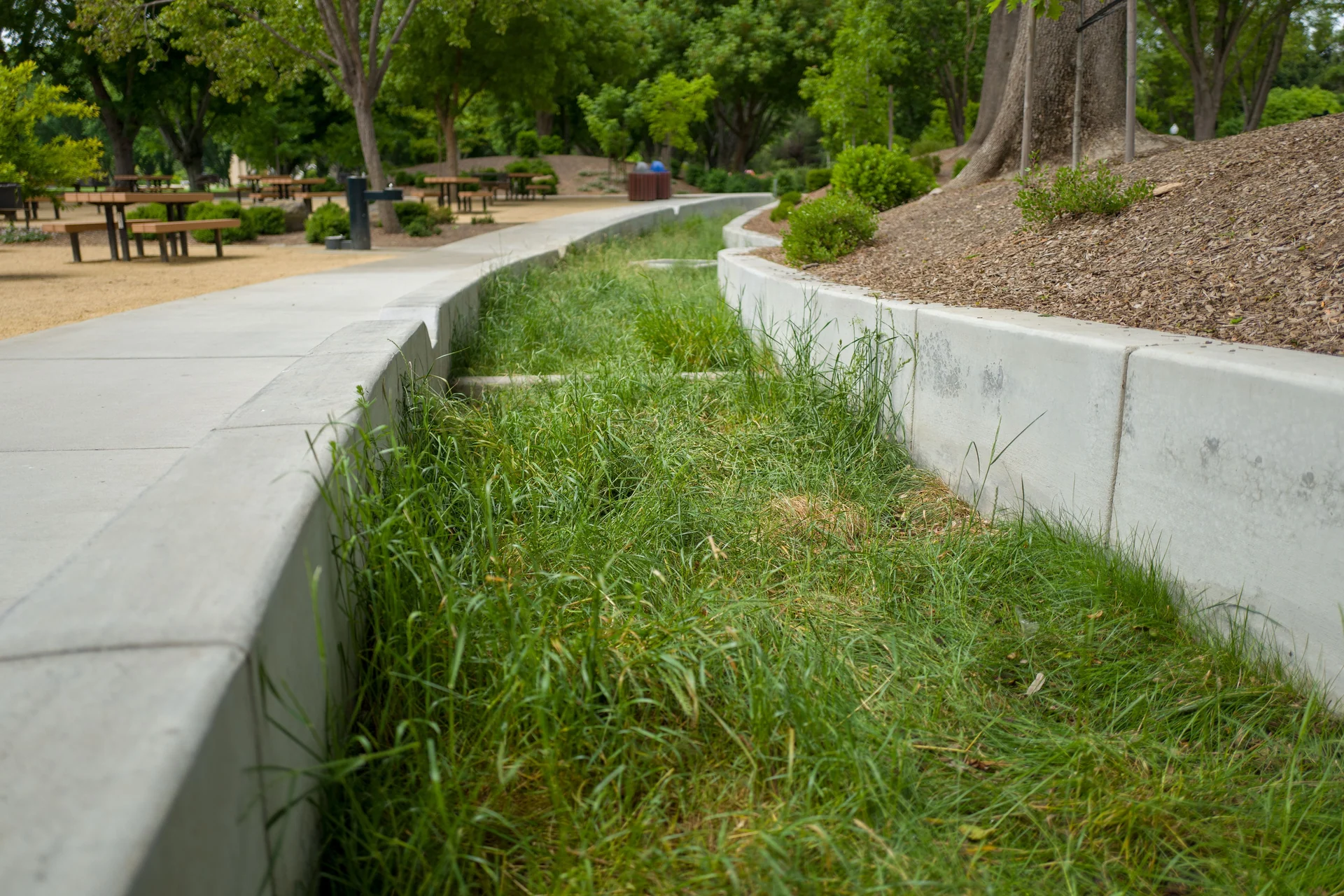
Bio-swales are essentially shallow, vegetated channels designed to filter and convey stormwater. They play a vital role in improving water quality by capturing sediment and pollutants. Before starting a project, understanding the purpose and function of bio-swales is essential.
Consider consulting with a landscape architect or an environmental specialist to determine if a bio-swale is suitable for your property. They can provide insights into the best practices for design and maintenance.
Site Assessment
Analyzing Soil and Topography
The first step in evaluating a bio-swale project is a thorough site assessment. Analyze the soil type, permeability, and topography of your property. The soil should ideally be well-draining to allow efficient water infiltration. Understanding the slope and natural water flow can help in designing an effective bio-swale.
Identifying Water Sources
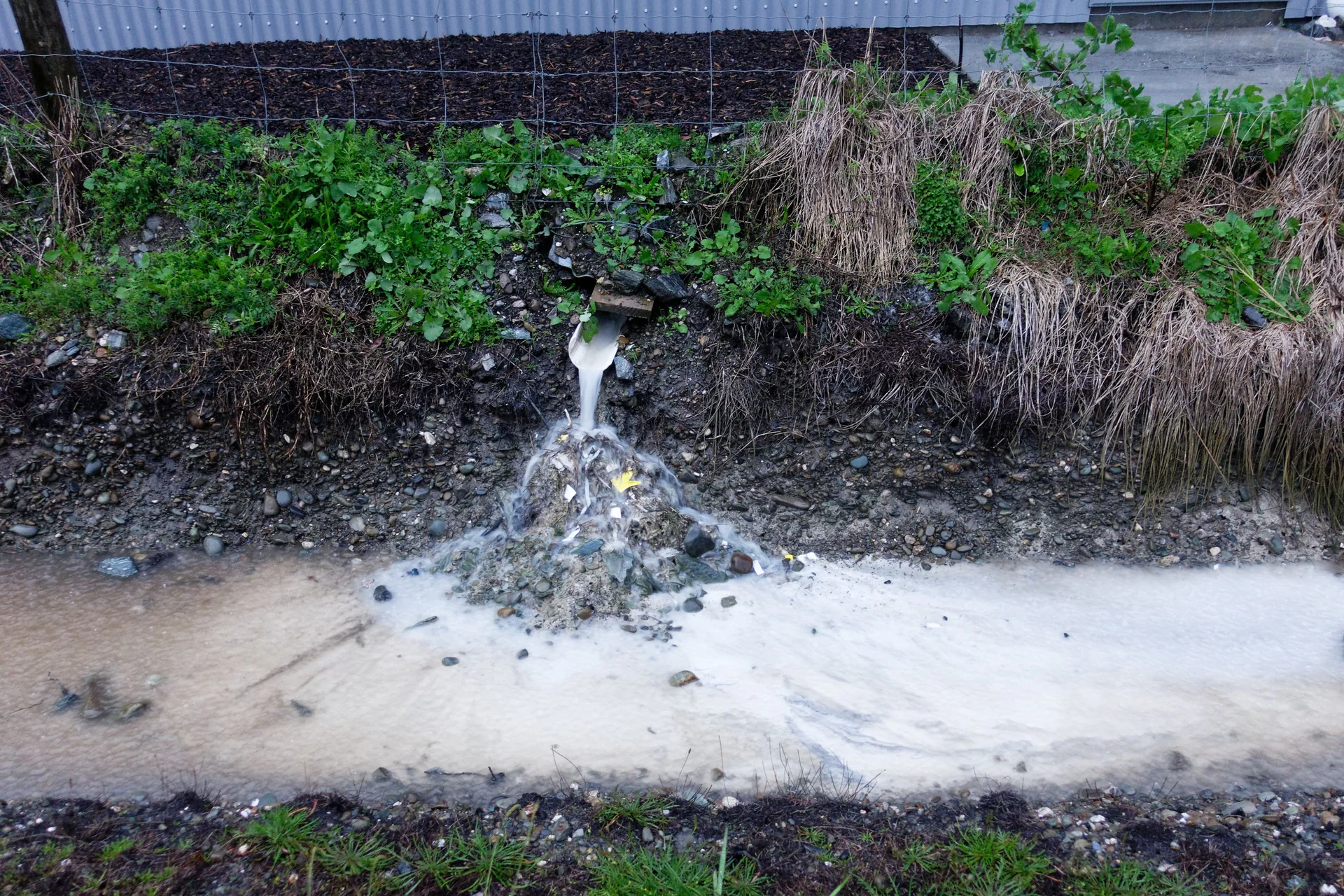
Identify the sources of stormwater runoff on your property. This could include roof downspouts, driveways, or other impervious surfaces. Knowing where the water originates will help in designing a bio-swale that effectively captures and channels the runoff.
Design Considerations
Choosing Vegetation
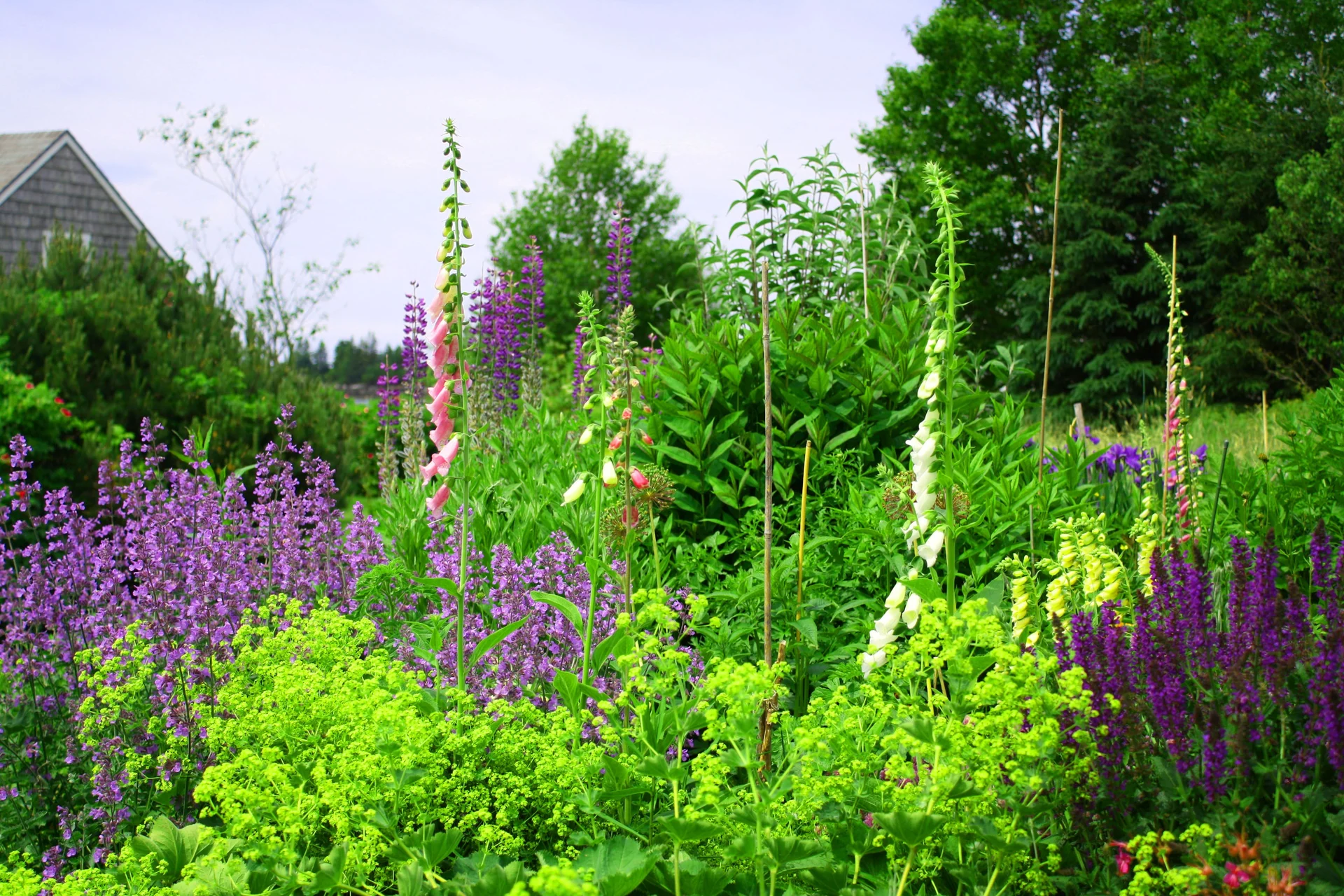
Selecting the right vegetation is crucial for the success of a bio-swale. Native plants are often recommended as they are adapted to local conditions and require less maintenance. The plants should have deep root systems to aid in water infiltration and pollutant filtration.
Determining Size and Shape
The size and shape of the bio-swale depend on the volume of stormwater it needs to handle. It should be large enough to accommodate peak flows but also integrate aesthetically into the landscape. Consider working with a professional to ensure the design meets both functional and visual requirements.
Implementation and Maintenance
Once the design is finalized, the construction phase involves excavating the swale, planting vegetation, and installing any necessary drainage structures. Proper construction is key to the bio-swale's effectiveness.
Regular maintenance is essential to ensure the bio-swale continues to function effectively. This includes periodic inspections, removal of debris, and replacement of dead plants. Maintenance schedules may vary depending on the local climate and vegetation used.
Evaluation and Monitoring
After implementation, continuous evaluation is necessary to assess the bio-swale's performance. Monitor the water flow during rain events and check for any signs of erosion or plant stress. Adjustments may be needed to optimize performance over time.
In conclusion, evaluating a bio-swale project requires a comprehensive understanding of site conditions, thoughtful design, and ongoing maintenance. By following these steps, homeowners can create a sustainable and effective stormwater management solution on their properties.
Part of the EcoGuardian journal. This article retains its original publication context; references to grants, regulations, research, and services may have changed since publication.