
Bioswales are an integral part of sustainable landscaping, offering numerous environmental benefits such as filtering stormwater, reducing pollution, and enhancing biodiversity. To maximize these benefits, it's essential to maintain and adapt your bioswale according to the changing seasons.
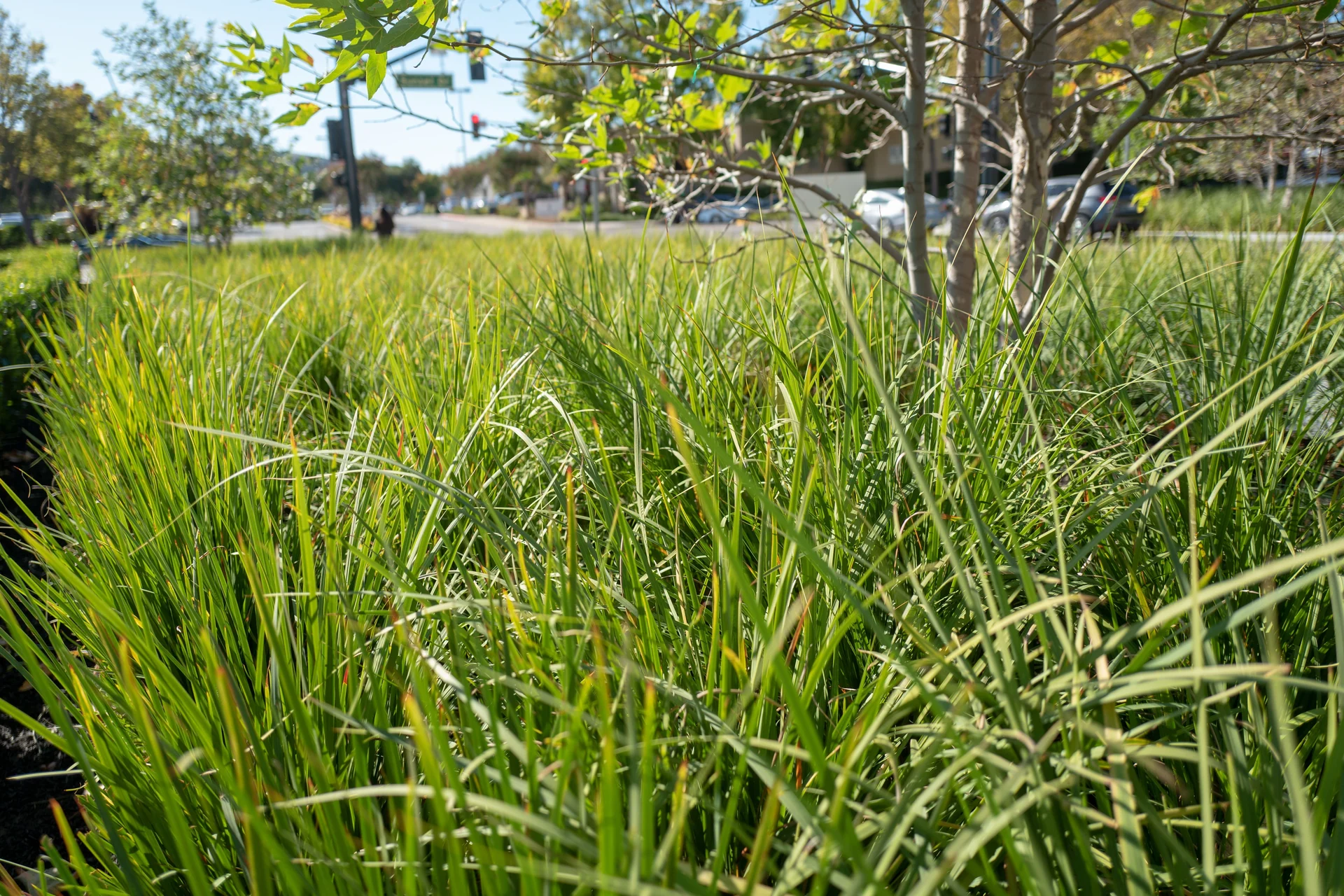
Spring: Revitalizing Your Bioswale
Spring is the perfect time to assess and prepare your bioswale for the growing season. Begin by inspecting the area for any debris or sediment that may have accumulated over the winter months. Clearing these materials allows for proper water flow and nutrient absorption.
Plant Selection and Care
Consider introducing native plants that thrive in your local climate. Native species are more resilient and require less maintenance. Ensure that new plants are well-watered and mulched to retain moisture and suppress weeds.
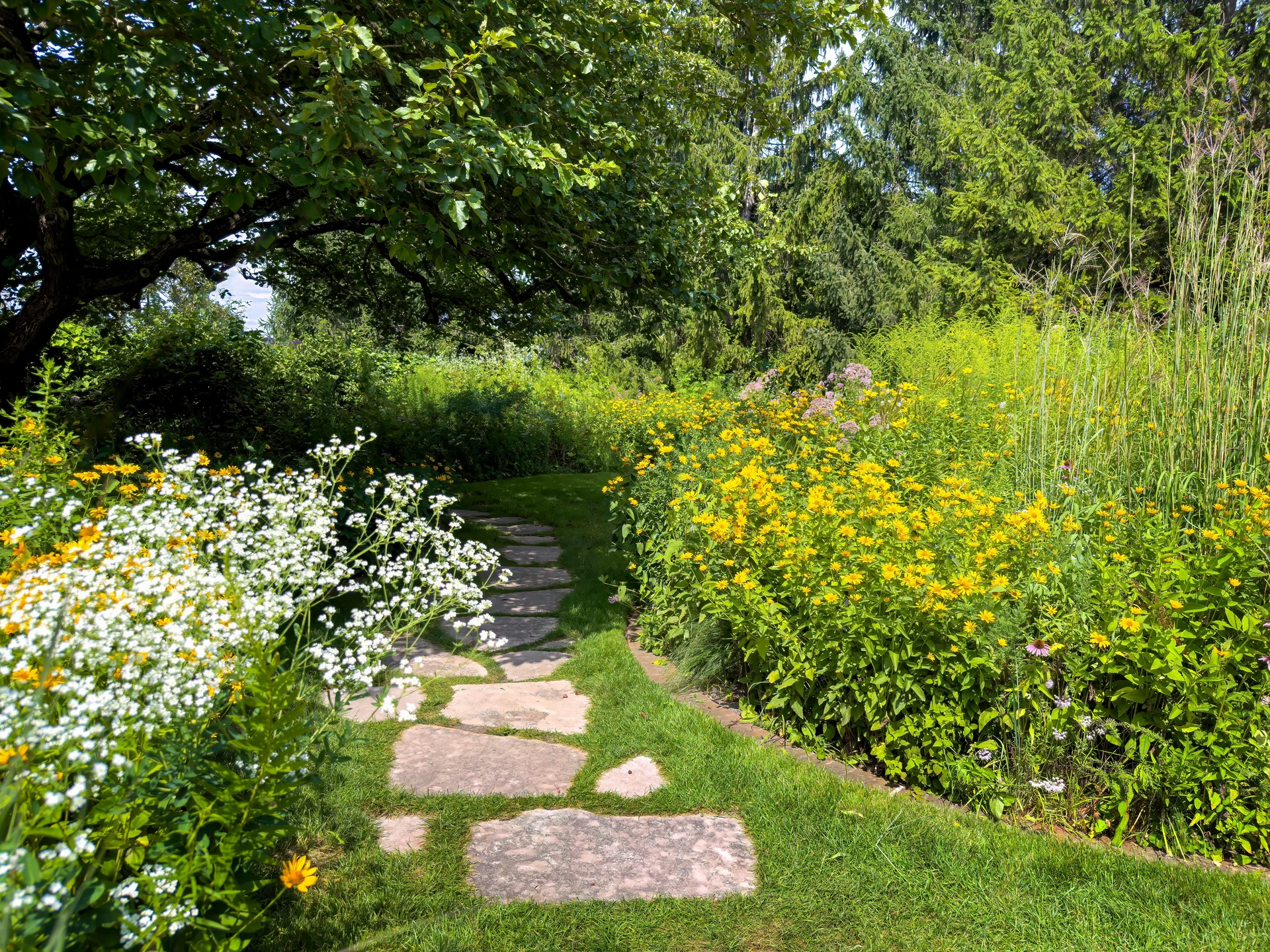
Summer: Managing Growth and Water Flow
During the summer, your bioswale may experience rapid plant growth. Regularly monitor and prune plants to maintain the desired shape and promote healthy development. This helps prevent overcrowding, which can impede water flow.
Water Conservation Strategies
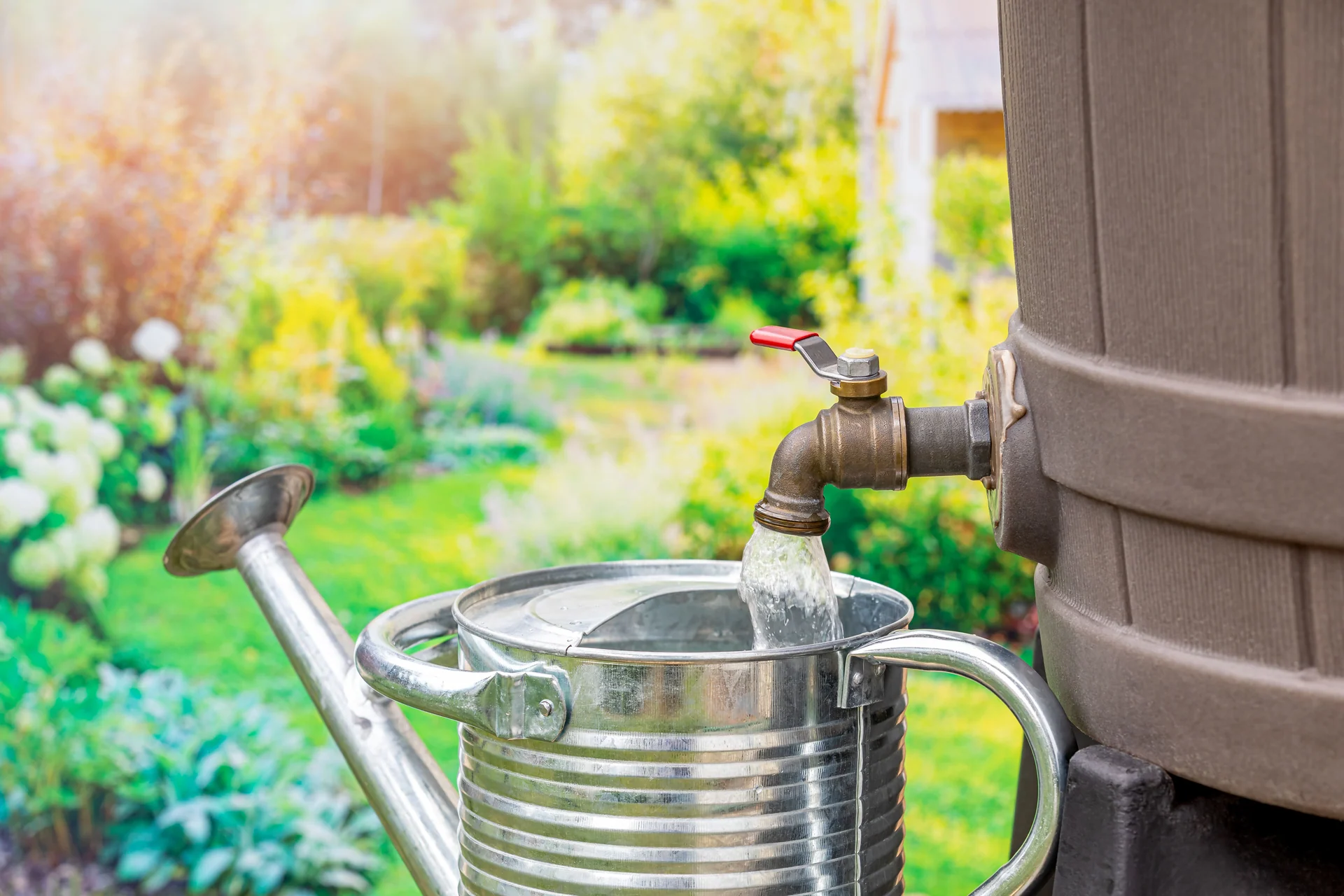
In dry weather, ensure your bioswale retains adequate moisture. Utilize rain barrels or drip irrigation systems to provide supplemental water. This not only conserves water but also maintains plant health.
Fall: Preparing for Dormancy
As fall approaches, it's time to prepare your bioswale for the colder months. Remove dead or decaying plant material to prevent disease and improve aesthetics. This cleanup also reduces the risk of clogging drainage areas.
Soil and Mulch Management
Check soil quality and add organic matter if necessary. Applying a fresh layer of mulch can provide insulation for plant roots, helping them survive winter conditions. Mulch also aids in moisture retention and erosion control.
Winter: Ensuring Longevity
In winter, your bioswale requires minimal intervention. However, it's crucial to periodically check for ice blockages that could disrupt water flow. Remove any fallen branches or debris to maintain clear pathways for melting snow and rainwater.
Monitoring and Planning
Use this downtime to plan any enhancements or expansions for the coming year. Consider new plant introductions or structural adjustments to improve efficiency and environmental impact.
By following these seasonal tips, you can ensure your bioswale continues to provide ecological benefits year-round. Regular maintenance and adaptation not only enhance its performance but also contribute to a healthier environment.
Part of the EcoGuardian journal. This article retains its original publication context; references to grants, regulations, research, and services may have changed since publication.