Overcoming Common Misconceptions About Bio-Swale Projects


Understanding Bio-Swales
Bio-swales are engineered landscape elements designed to manage stormwater runoff. They use natural vegetation and soil to filter and absorb water, reducing the impact on local water systems. Despite their effectiveness, several misconceptions often arise, hindering their adoption. In this post, we'll address some of these misunderstandings and clarify the benefits and functionality of bio-swales.
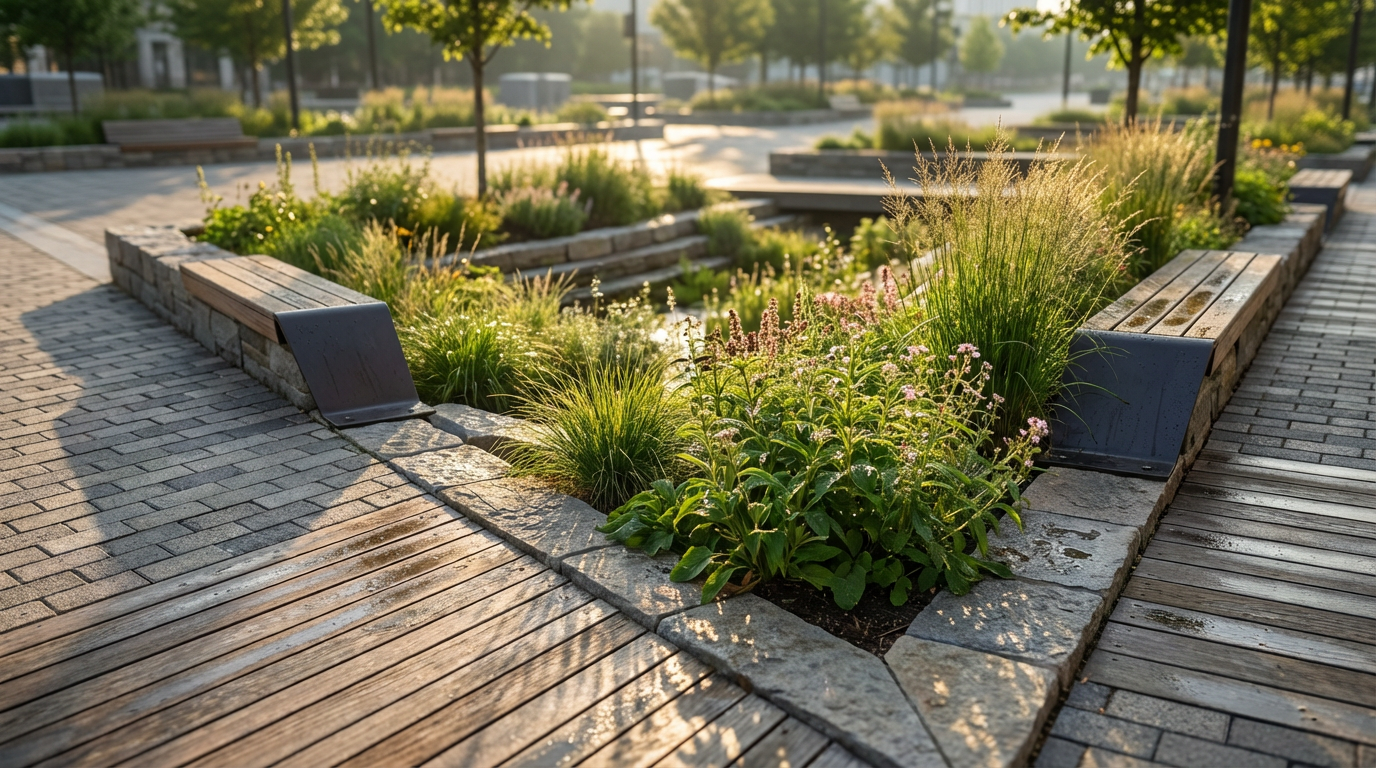
Misconception 1: Bio-Swales Are Costly
One common misconception is that bio-swales are prohibitively expensive. However, when considering the long-term benefits, they can be cost-effective. Bio-swales reduce the need for expensive stormwater management systems by minimizing runoff and potential flooding. Over time, they can lead to savings in infrastructure and maintenance costs.
Additionally, bio-swales can increase property values by enhancing the aesthetic appeal of a landscape. The initial investment is often recouped through these long-term savings and benefits.
Misconception 2: Bio-Swales Require High Maintenance
Another myth is that bio-swales demand excessive maintenance. In reality, they require minimal upkeep once established. Regular maintenance involves occasional weeding, mulching, and inspection for debris or erosion. These activities are typically manageable within routine landscaping efforts and do not require specialized skills.

Misconception 3: Bio-Swales Are Ineffective in Urban Areas
Some believe that bio-swales are only suitable for rural or suburban settings. However, they are incredibly effective in urban environments. By integrating them into cityscapes, bio-swales can manage runoff from impervious surfaces like roads and pavements, reducing urban flooding and improving water quality.
Urban bio-swales can be adapted to fit various space constraints and contribute to green infrastructure, promoting biodiversity and enhancing urban ecosystems.
Misconception 4: Bio-Swales Are Only for Large Spaces
Many assume bio-swales require vast areas to be effective. In truth, they can be scaled to fit different spaces, from large parks to small residential yards. The key is proper design tailored to the specific site conditions and drainage needs.
Even in small spaces, bio-swales can significantly impact local water management and environmental quality.
Benefits of Bio-Swales
Beyond debunking misconceptions, it's essential to highlight the benefits of bio-swales. They offer numerous advantages, including:
- Improved water quality: By filtering pollutants and sediments.
- Increased groundwater recharge: Allowing more water to infiltrate the soil.
- Enhanced biodiversity: Providing habitats for various plant and animal species.
Conclusion
Bio-swales present a sustainable and effective solution for managing stormwater. By addressing common misconceptions, we can encourage wider adoption and appreciation of these valuable landscape features. Embracing bio-swales contributes to healthier ecosystems and more resilient communities.