Securing funding for environmental projects like bio-swales can be a challenging yet rewarding process. Bio-swales are essential for controlling stormwater runoff, reducing pollution, and enhancing urban landscapes. However, navigating the grant application process requires careful planning and strategic execution.
The first step is to identify potential funding sources. These can include government agencies, environmental organizations, and private foundations. Each source may have different priorities and criteria, so it's crucial to align your project goals with their objectives.

Understanding Grant Requirements
Once you've identified potential funding sources, the next step is to thoroughly understand their grant requirements. This involves reading the guidelines carefully and noting any specific eligibility criteria, application deadlines, and required documentation.
Some grants may require detailed project plans, budget outlines, and evidence of community support. It's vital to ensure that your project meets all these requirements before proceeding with the application.
Developing a Strong Proposal
A compelling proposal is key to securing funding. Start by clearly outlining the problem your bio-swale project aims to address and how it aligns with the funder's goals. Use data and research to support your claims and demonstrate the project's potential impact.

Include a detailed budget that outlines how the funds will be utilized. Transparency and accuracy in your financial planning can enhance your proposal's credibility.
Building Partnerships
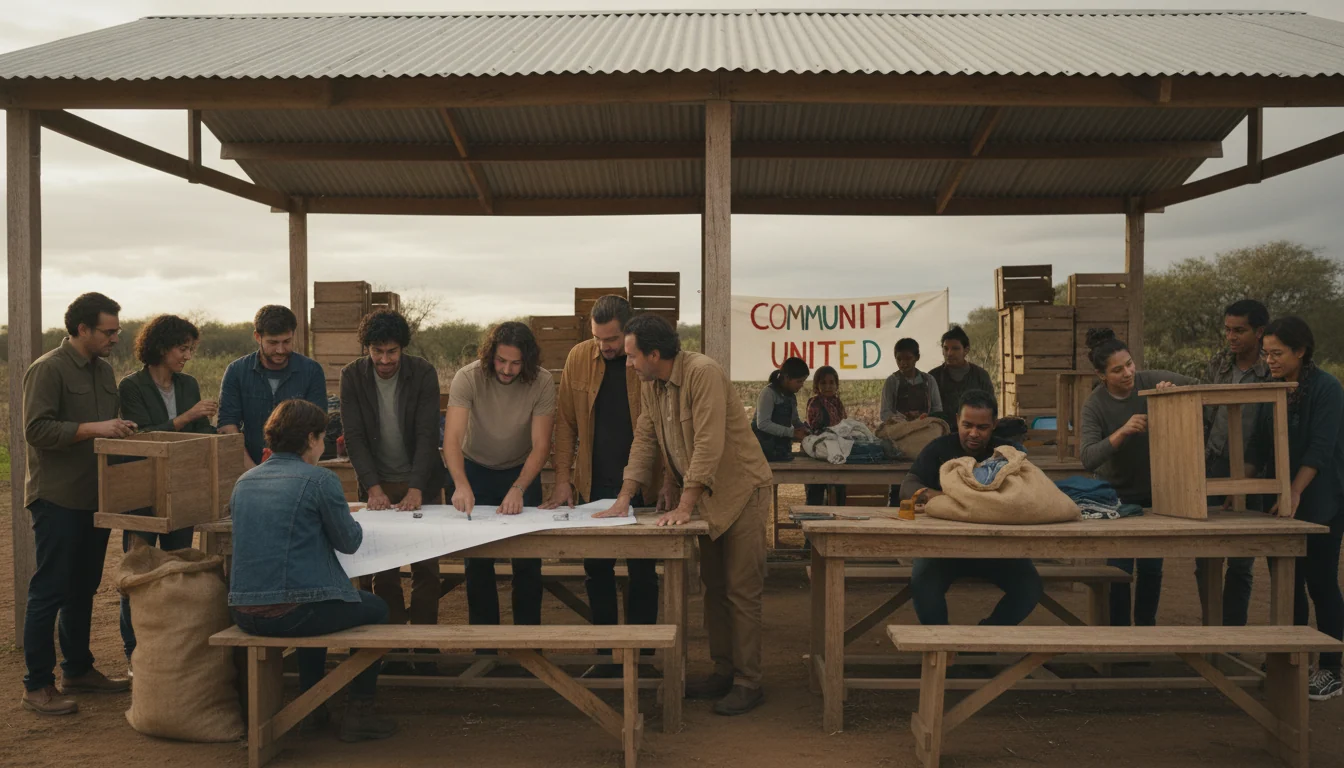
Building partnerships with local governments, community groups, and environmental organizations can strengthen your application. These partnerships can provide additional resources, expertise, and support, making your project more attractive to funders.
Engage stakeholders early in the process and seek letters of support to include in your application. Demonstrating widespread community backing can significantly boost your chances of securing funding.
Submitting and Following Up
Once your proposal is ready, submit it well before the deadline to avoid any last-minute issues. Ensure that all required documents are included and formatted correctly.
After submission, don't hesitate to follow up with the granting organization. This shows your commitment and can provide valuable feedback, even if your application isn't successful on the first attempt.
Preparing for the Next Steps
If your application is successful, be prepared to manage the grant effectively. This includes meeting reporting requirements and maintaining open communication with the funder.
For unsuccessful applications, seek feedback and consider revising your proposal for future opportunities. Persistence and continuous improvement are key in the grant application process.
Part of the EcoGuardian journal. This article retains its original publication context; references to grants, regulations, research, and services may have changed since publication.