Understanding Environmental Grants in Florida
Environmental grants are a crucial component in supporting conservation and sustainability efforts across Florida. However, misconceptions often cloud the understanding of these grants. In this post, we'll explore common myths and facts to provide clarity.

Myth: Environmental Grants Are Only for Large Organizations
One prevalent myth is that only large organizations can access environmental grants. In reality, many grants are specifically designed to support small businesses, community groups, and even individuals who are committed to environmental initiatives. These grants encourage grassroots efforts and empower smaller entities to make a significant impact.
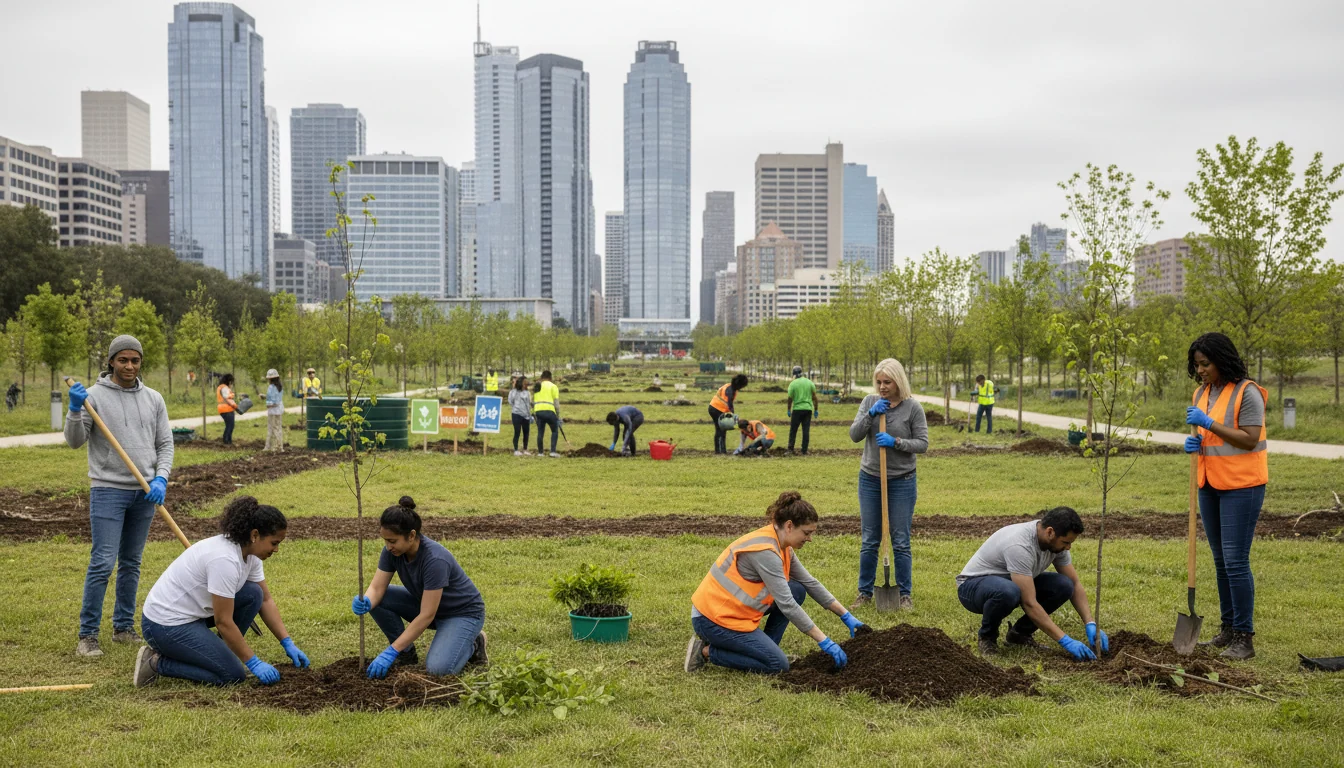
For example, local community groups working on habitat restoration or pollution reduction can apply for various state-funded grants, making it possible for diverse participants to contribute to environmental conservation.
Fact: Grants Often Require a Detailed Proposal
While grants can be accessible to many, it's important to understand that they often require a detailed proposal. Applicants must clearly outline their project goals, methods, and expected outcomes. This process ensures that funds are allocated to projects with the potential for substantial environmental benefits.

Myth: Environmental Grants Cover All Project Costs
Another misconception is that grants will cover all costs associated with a project. Most grants require some form of matching funds or in-kind contributions. This requirement ensures that applicants are also investing in their projects, demonstrating commitment and shared responsibility.
Applicants should carefully review grant requirements and prepare to meet these obligations, whether through financial contributions or volunteer hours.
Fact: Environmental Grants Promote Innovation
Environmental grants are not only about conservation but also about fostering innovation. They encourage the development of new technologies and methods for tackling environmental challenges. Many grants seek projects that offer innovative solutions to issues like climate change, water conservation, and renewable energy.

Myth: The Application Process Is Too Complicated
While the application process for grants can be detailed, it is not necessarily prohibitive. Many organizations and agencies offer resources and support to help applicants navigate the process. Workshops, online resources, and direct assistance are often available to ensure that potential applicants can submit competitive proposals.
Taking advantage of these resources can simplify the process and increase the likelihood of securing funding.
Fact: Grants Can Lead to Long-term Partnerships
Securing an environmental grant can also open doors to long-term partnerships with government agencies, non-profit organizations, and other stakeholders. These relationships can provide additional resources, expertise, and support, enhancing the project's impact and sustainability.
Building a network through such collaborations can be invaluable for ongoing and future environmental initiatives.

In summary, understanding the myths and facts about environmental grants in Florida can empower more individuals and organizations to pursue these valuable opportunities. By dispelling misconceptions and highlighting the realities, we can encourage broader participation in the vital work of protecting our environment.
Part of the EcoGuardian journal. This article retains its original publication context; references to grants, regulations, research, and services may have changed since publication.