Myth-Busting Bio-Swales: Common Misconceptions Debunked


Understanding Bio-Swales
Bio-swales are engineered landscape elements designed to remove silt and pollution from surface runoff water. These natural systems use vegetation and soil to slow down the water flow, allowing it to be absorbed into the ground or transported to stormwater systems. Despite their effectiveness, several misconceptions cloud their image.
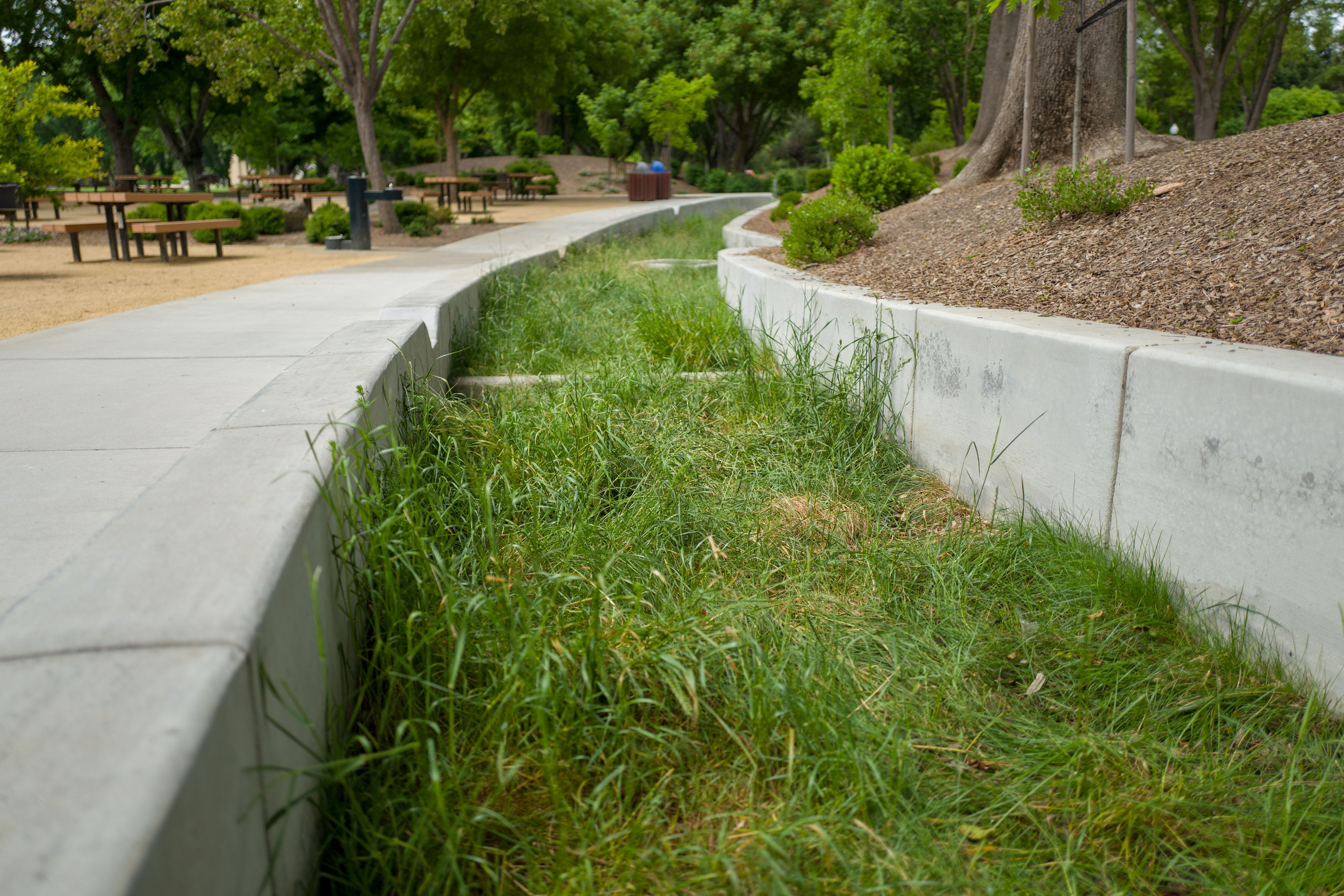
Myth 1: Bio-Swales Are Just Ditches
One common myth is that bio-swales are merely glorified ditches. In reality, they are carefully designed systems that incorporate strategic plantings and soil layers to treat and filter stormwater. Unlike ditches, bio-swales are engineered to maximize infiltration and pollutant removal.
Key components of bio-swales include:
- Vegetation: Carefully selected plants that aid in pollutant uptake and soil stabilization.
- Soil Layers: Engineered to enhance water filtration and support plant growth.
Myth 2: Bio-Swales Are Inefficient
Some believe that bio-swales are inefficient compared to traditional stormwater systems. However, studies show that they are highly effective in urban areas for managing runoff and reducing pollution. Bio-swales can reduce peak runoff rates by up to 30% and remove pollutants like heavy metals and nutrients.
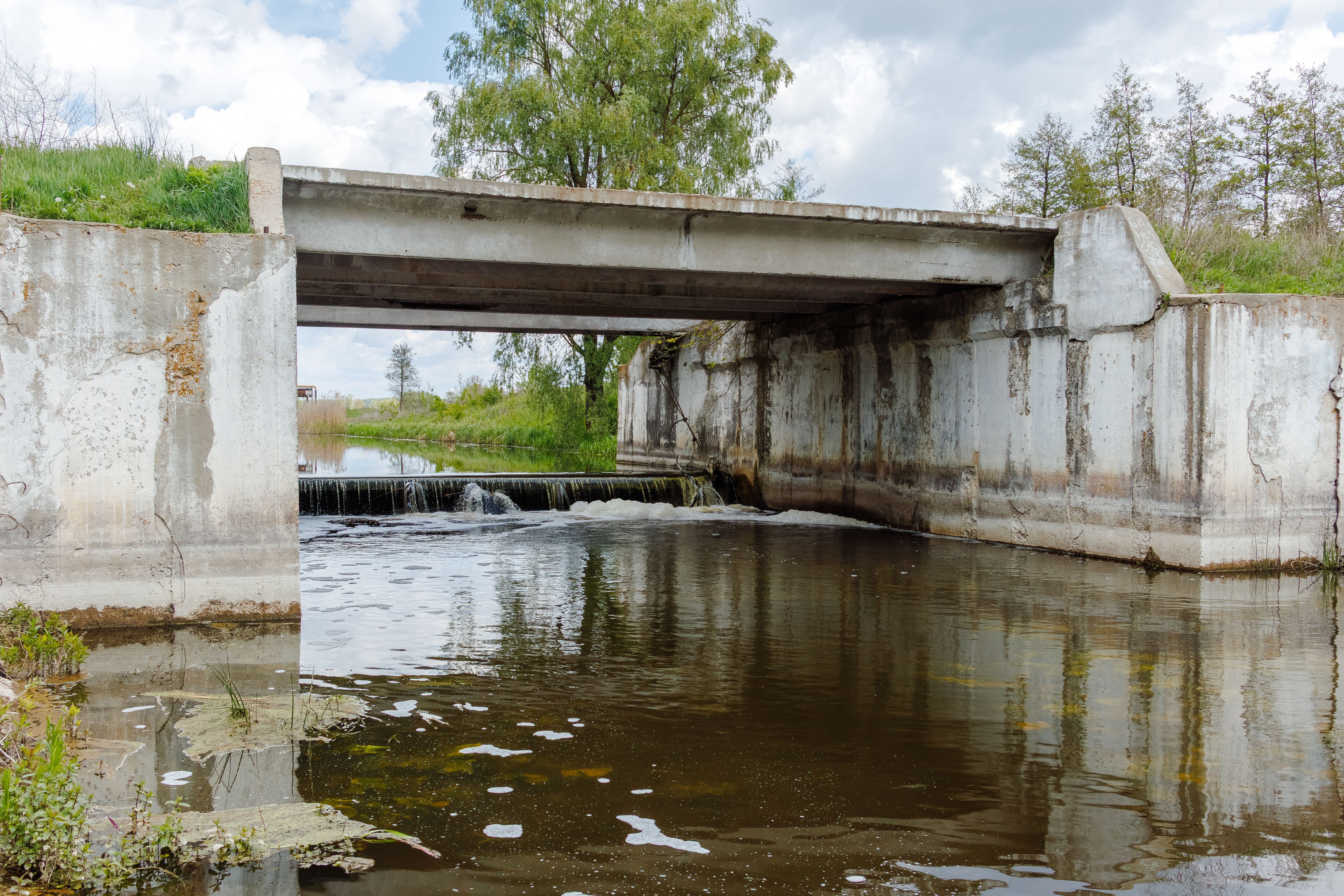
Myth 3: Bio-Swales Require High Maintenance
Another misconception is that bio-swales demand constant maintenance. In truth, they require less upkeep than many traditional systems once established. Routine maintenance includes periodic inspections, removal of debris, and occasional replanting. With proper design, bio-swales can be low-maintenance and sustainable.
Myth 4: Bio-Swales Are Not Aesthetically Pleasing
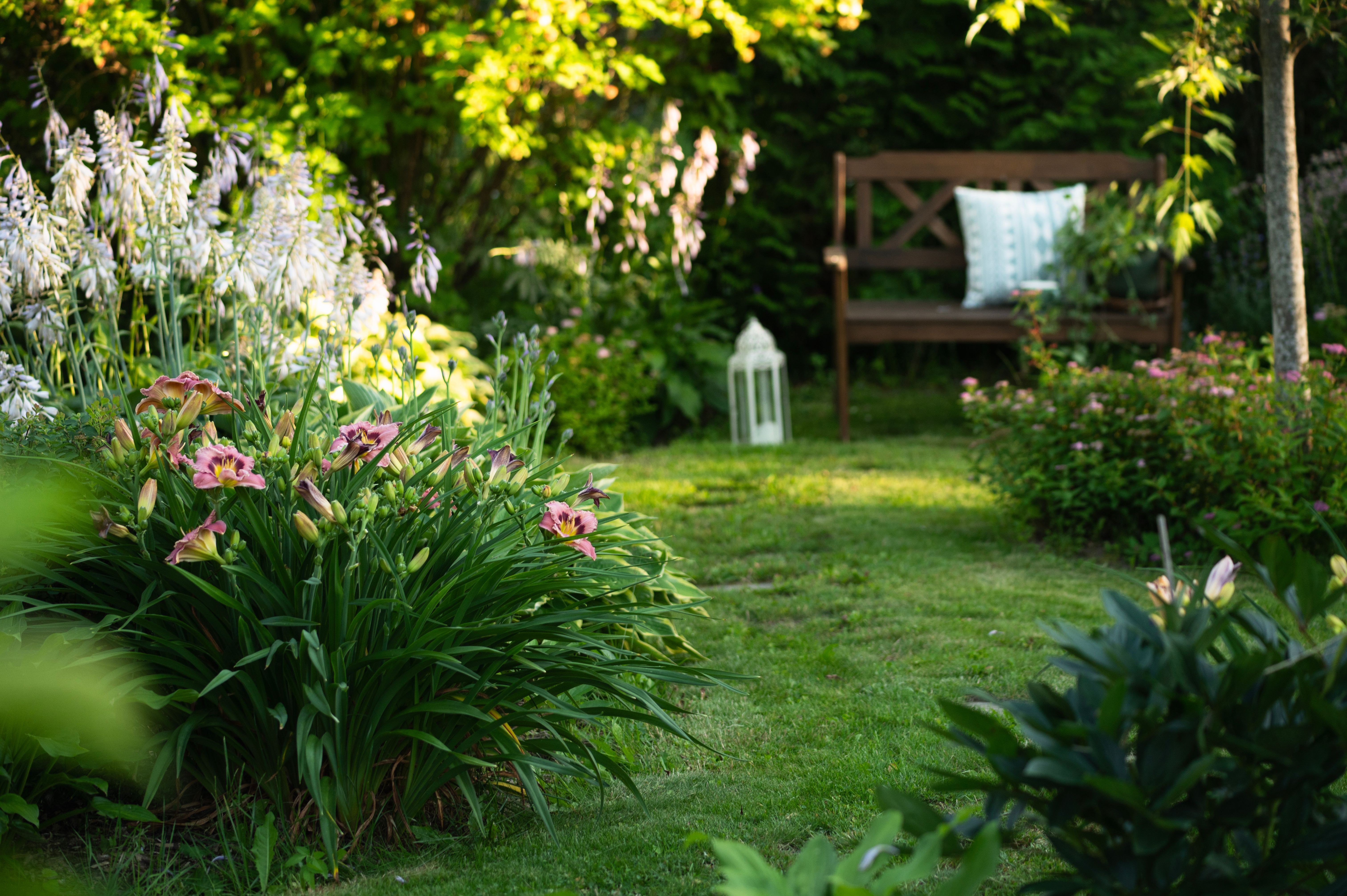
Some people assume that bio-swales are unattractive. However, when designed thoughtfully, they can enhance the visual appeal of landscapes. The use of native plants and creative designs can turn them into beautiful, functional green spaces.
The Environmental Impact of Bio-Swales
Beyond their role in stormwater management, bio-swales offer significant environmental benefits. They provide habitat for wildlife, improve air quality, and contribute to urban biodiversity. By integrating bio-swales into urban planning, cities can create healthier environments.
Implementing Bio-Swales in Urban Areas
For communities considering bio-swales, it's essential to understand their proper placement and design. Collaboration with landscape architects and environmental engineers ensures effective integration into urban infrastructure. This collaboration fosters sustainable urban development.

Conclusion
Bio-swales are a versatile and effective solution for stormwater management that combines functionality with environmental benefits. By debunking these myths, we can appreciate their potential to transform urban landscapes into sustainable, resilient environments.