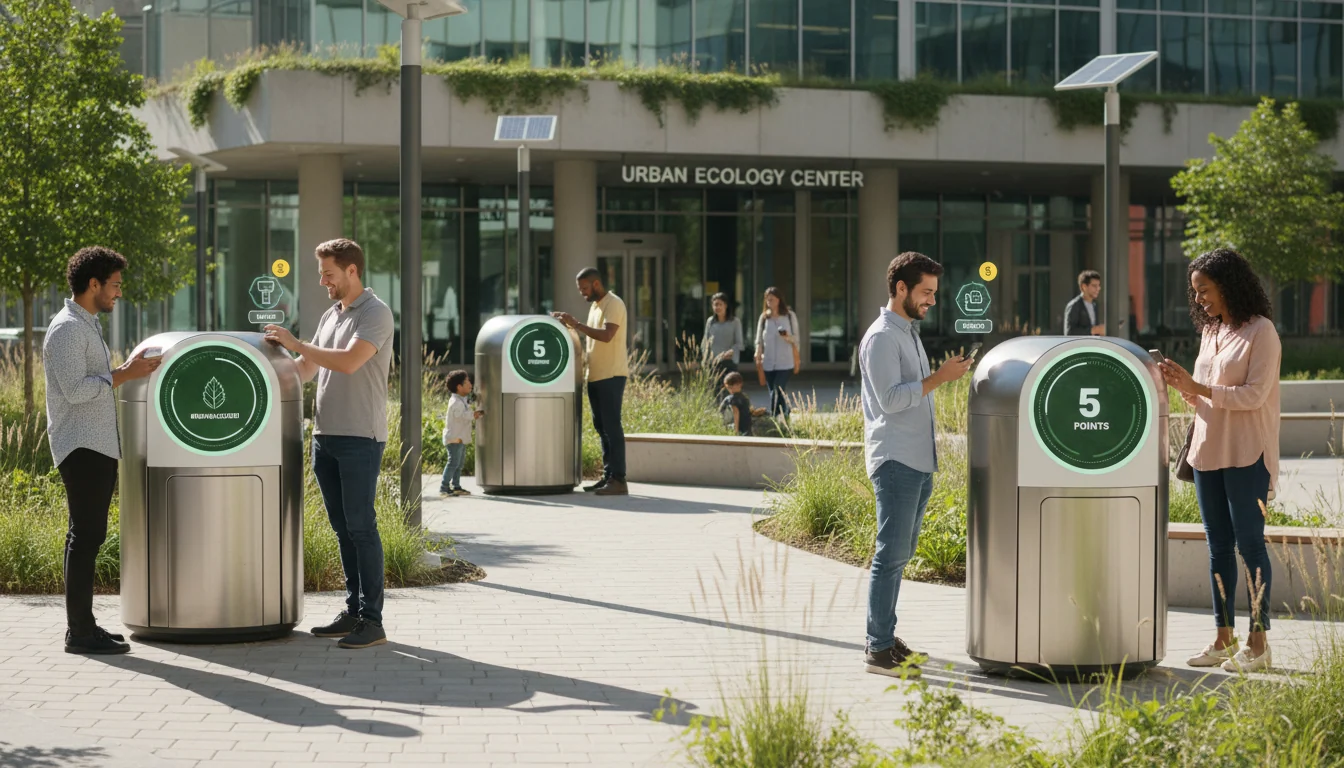
Introduction to Bio-Swales and Their Environmental Impact
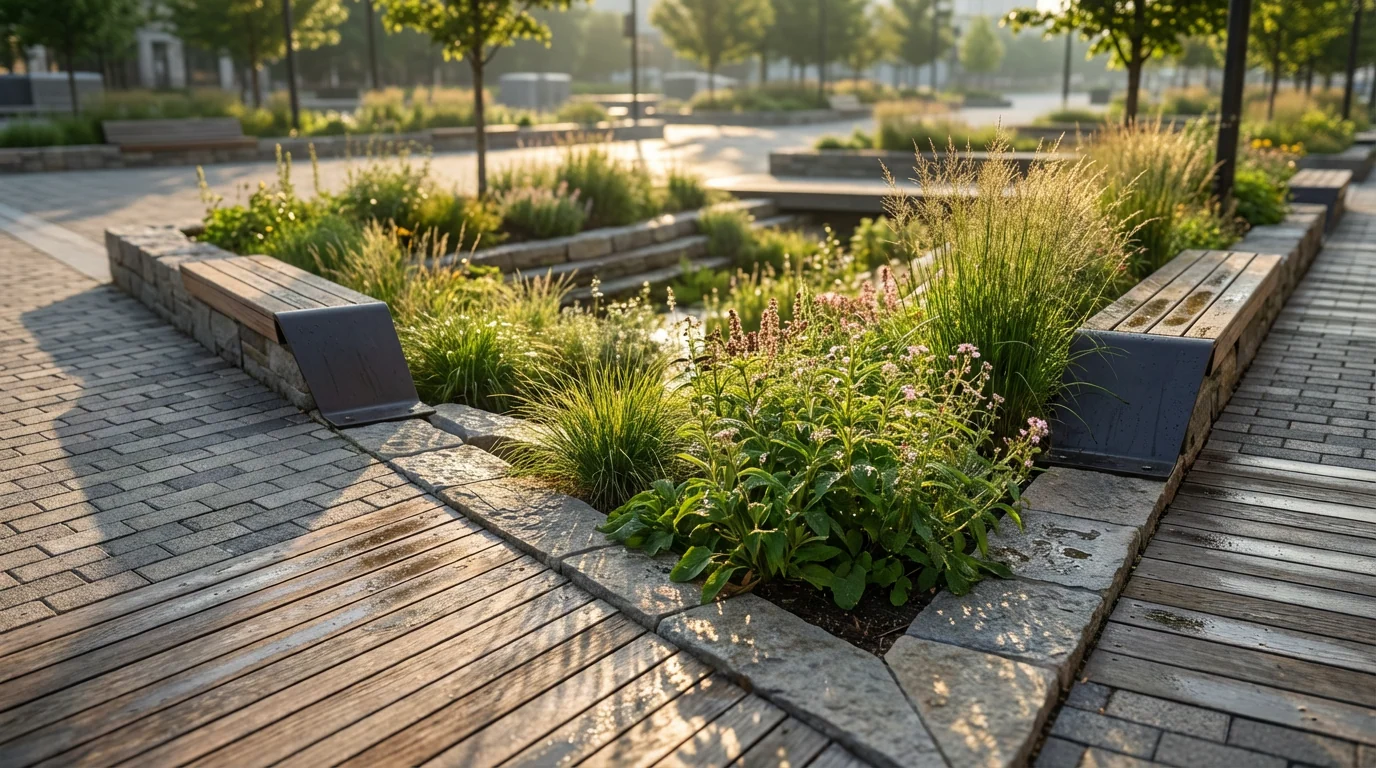
Bio-swales are landscape elements designed to concentrate or remove silt and pollution from surface runoff water. They play a vital role in sustainable urban drainage systems by mimicking natural processes to filter and clean stormwater. As cities grow, the importance of these green infrastructures becomes increasingly crucial in managing water resources effectively.
However, managing bio-swale projects effectively requires significant resources, including funding and detailed project oversight. This is where AI technology steps in to revolutionize the way bio-swale grants are managed, ensuring maximum environmental benefits with minimal resource wastage.
The Role of AI in Grant Management
AI technology offers innovative solutions for optimizing grant management processes. By employing AI algorithms, organizations can streamline the application process, ensuring that funds are allocated efficiently. This not only saves time but also ensures that projects with the most significant environmental impact receive priority consideration.
AI can analyze vast amounts of data quickly, identifying trends and patterns that might be overlooked by human analysts. This capability allows for more informed decision-making and effective resource allocation, maximizing the environmental benefits of bio-swale projects.
Automating Application Processes
One of the key benefits of AI in grant management is the automation of application processes. This includes initial screening, eligibility checks, and even scoring applications based on predefined criteria. Automation reduces the workload for grant administrators and speeds up the entire process, getting projects off the ground faster.

Improving Project Monitoring and Evaluation
Once a grant is awarded, ongoing monitoring and evaluation are essential to ensure that projects are progressing as planned and achieving their environmental goals. AI tools can assist with this by providing real-time data analytics and reporting.
By using AI-powered sensors and remote monitoring systems, organizations can track the effectiveness of bio-swales in filtering pollutants and managing stormwater. This data-driven approach allows for adjustments to be made in real-time, optimizing environmental outcomes.
Enhanced Reporting Capabilities
AI technologies also enhance reporting capabilities, enabling more comprehensive and transparent communication of project outcomes. With AI, stakeholders can receive detailed reports that highlight key performance indicators and environmental impacts, fostering greater accountability and trust in the process.

Challenges and Future Directions
While AI offers substantial benefits for bio-swale grant management, there are challenges to consider. These include data privacy concerns, the need for technical expertise, and the potential for biases in AI algorithms. Addressing these challenges is crucial for the successful implementation of AI technologies in environmental management.
Looking ahead, the integration of AI in bio-swale grant management is likely to continue evolving. As technology advances, we can expect even more sophisticated tools and techniques to emerge, further enhancing the efficiency and effectiveness of environmental projects.
By embracing AI, organizations can better navigate the complexities of bio-swale management, ultimately leading to healthier ecosystems and more sustainable urban environments.
Part of the EcoGuardian journal. This article retains its original publication context; references to grants, regulations, research, and services may have changed since publication.