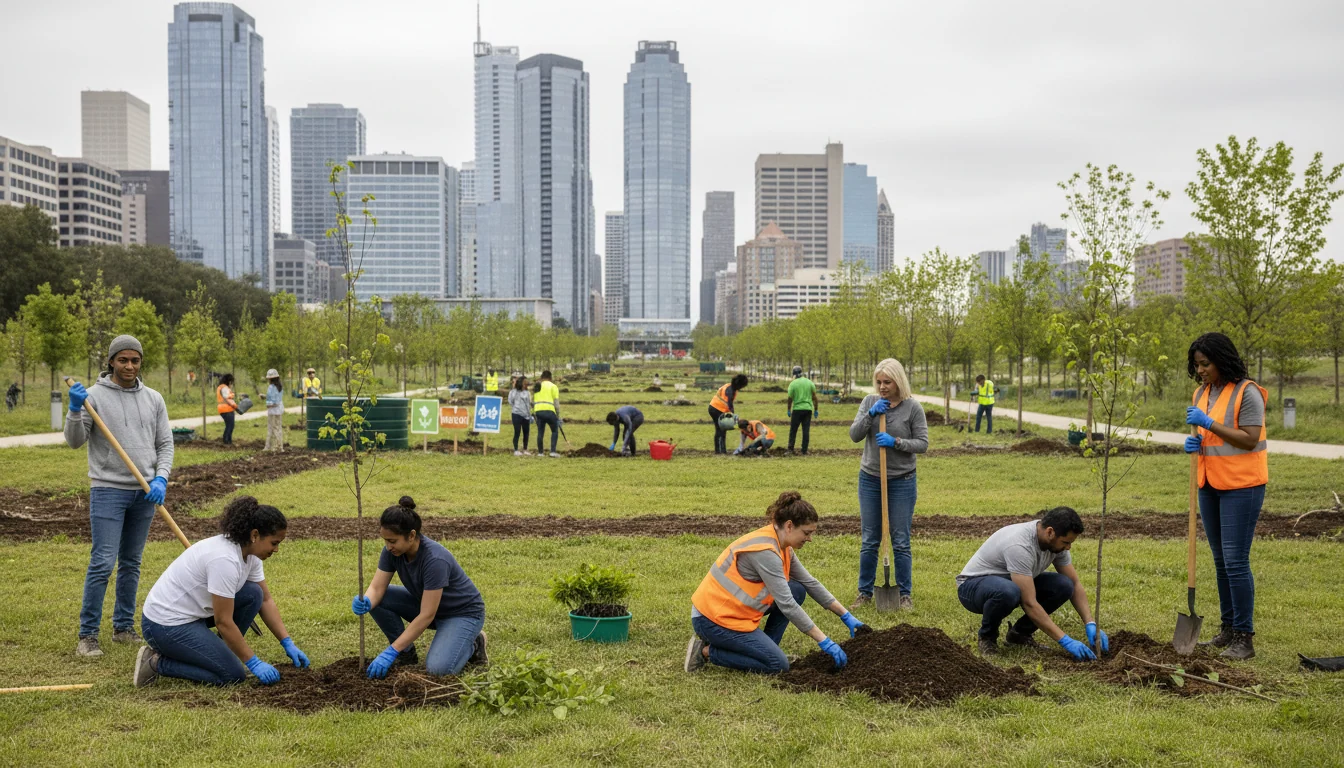
Embracing Green Technology
Environmental technology is rapidly evolving, offering innovative solutions to address some of the most pressing ecological challenges. From urban areas to rural communities, local projects are increasingly integrating these advancements to foster sustainability and reduce environmental footprints.
One of the most significant breakthroughs is the rise of renewable energy technologies. Solar panels, wind turbines, and bioenergy are becoming more efficient and affordable, making them accessible for local initiatives. These technologies not only reduce reliance on fossil fuels but also empower communities to generate their own energy.
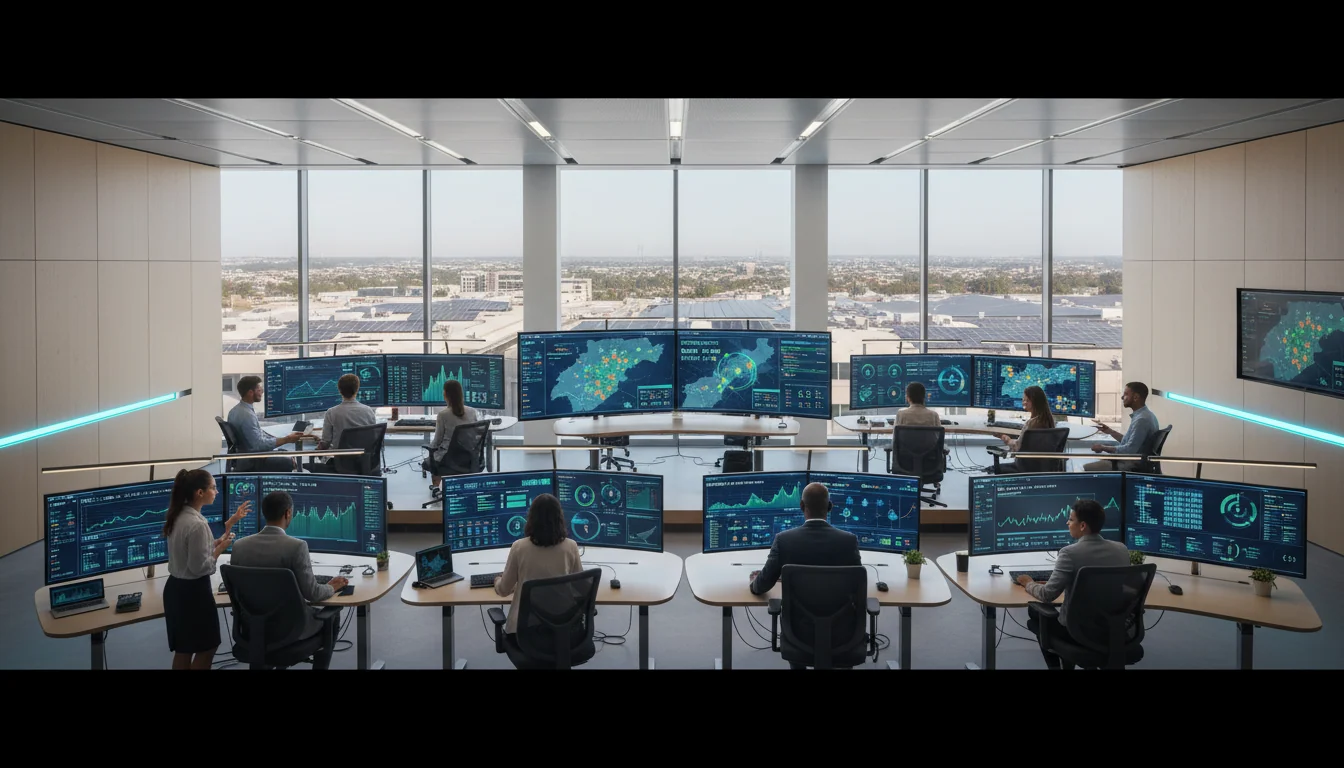
Smart Water Management
Water scarcity is a growing concern globally. Innovative environmental technologies are helping local projects manage water resources more effectively. Smart irrigation systems, for example, use sensors and weather data to optimize water usage in agriculture, reducing waste and enhancing crop yields.
Additionally, advanced water purification methods, such as reverse osmosis and nanofiltration, are providing cleaner water for communities. These methods are crucial in areas where access to safe drinking water is limited, improving public health and quality of life.
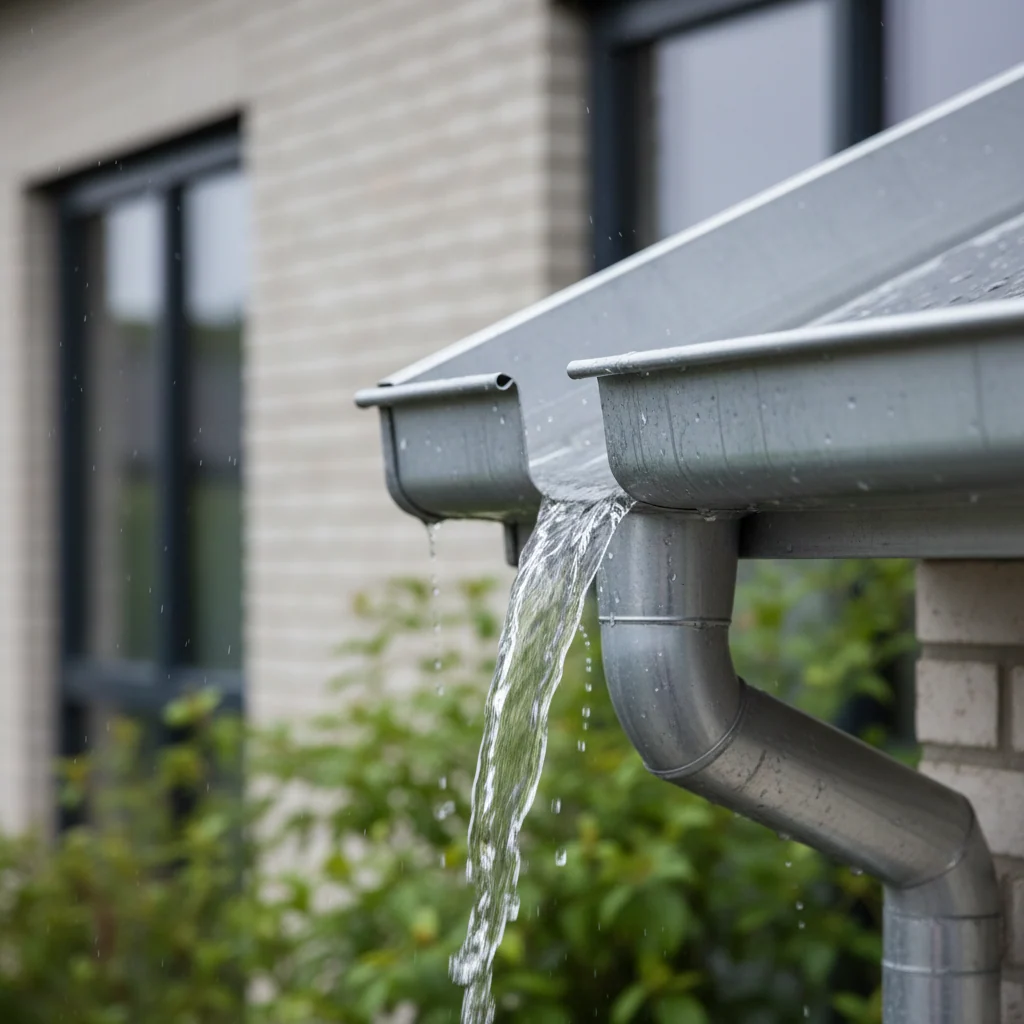
Waste Reduction and Recycling
Reducing waste and promoting recycling are critical components of sustainable development. New technologies are enhancing the efficiency of waste sorting and recycling processes. Automated systems can now identify and separate materials more accurately, increasing the amount of waste that can be reused.
Composting technology is also making strides, turning organic waste into valuable fertilizer for local agricultural projects. This not only reduces landfill usage but also enriches soil health, promoting sustainable farming practices.

Green Building Innovations
Green building technologies are transforming the way structures are designed and constructed. Innovations like energy-efficient insulation, smart HVAC systems, and sustainable building materials are becoming standard in new construction projects. These technologies reduce energy consumption, lower emissions, and create healthier living environments.
Retrofitting existing buildings with green technologies is another growing trend. This approach allows communities to update older structures with modern efficiencies, further reducing environmental impacts.
Urban Greening and Biodiversity
Urban areas are increasingly focusing on incorporating green spaces and enhancing biodiversity. Technologies such as green roofs, vertical gardens, and urban forests are being employed to improve air quality, reduce heat islands, and support local wildlife.
These initiatives not only beautify cityscapes but also provide social and psychological benefits, offering residents spaces to connect with nature and promote well-being.
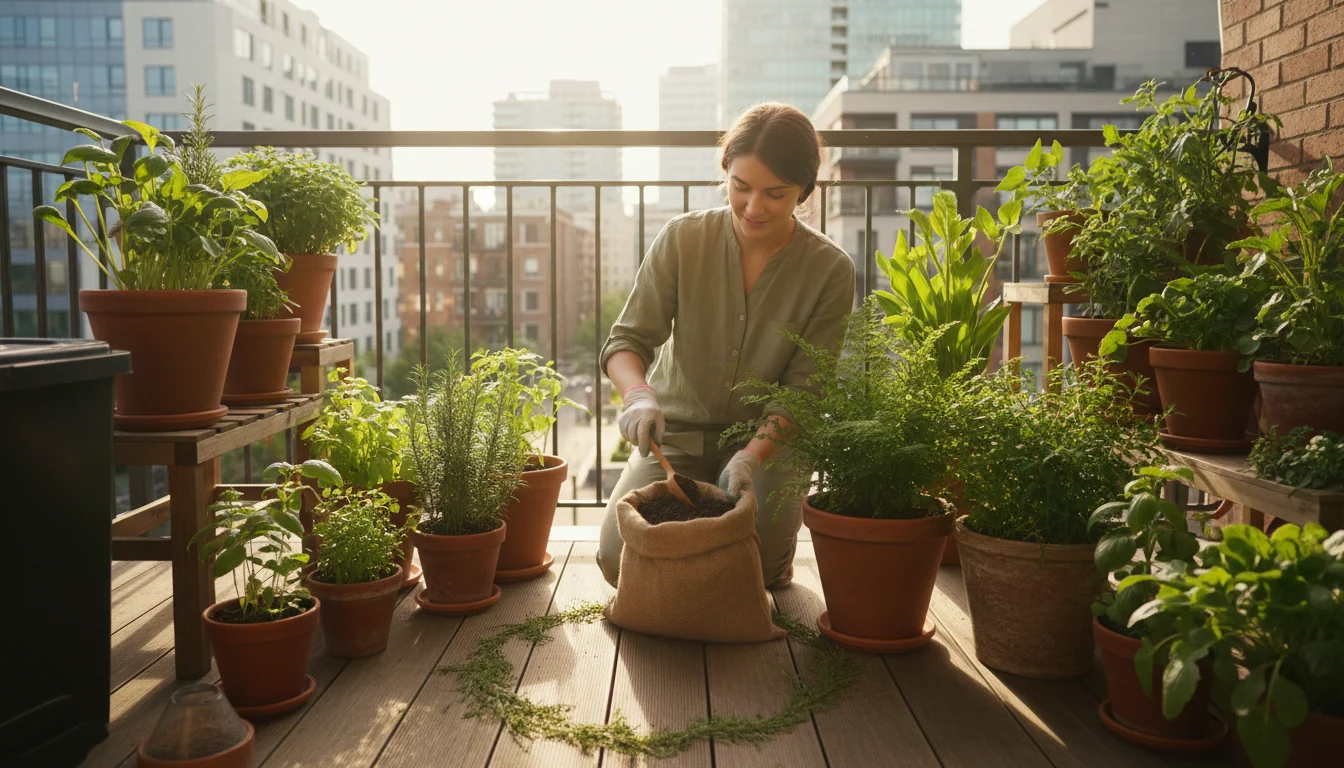
The Future of Environmental Technology
As environmental technology continues to advance, its impact on local projects will only grow. The integration of AI and IoT in managing resources and infrastructure is on the horizon, promising even more efficient and sustainable solutions.
By staying informed and embracing these innovations, communities can play a significant role in the global effort to protect our planet. The future is indeed green, and technology is paving the way.
Part of the EcoGuardian journal. This article retains its original publication context; references to grants, regulations, research, and services may have changed since publication.