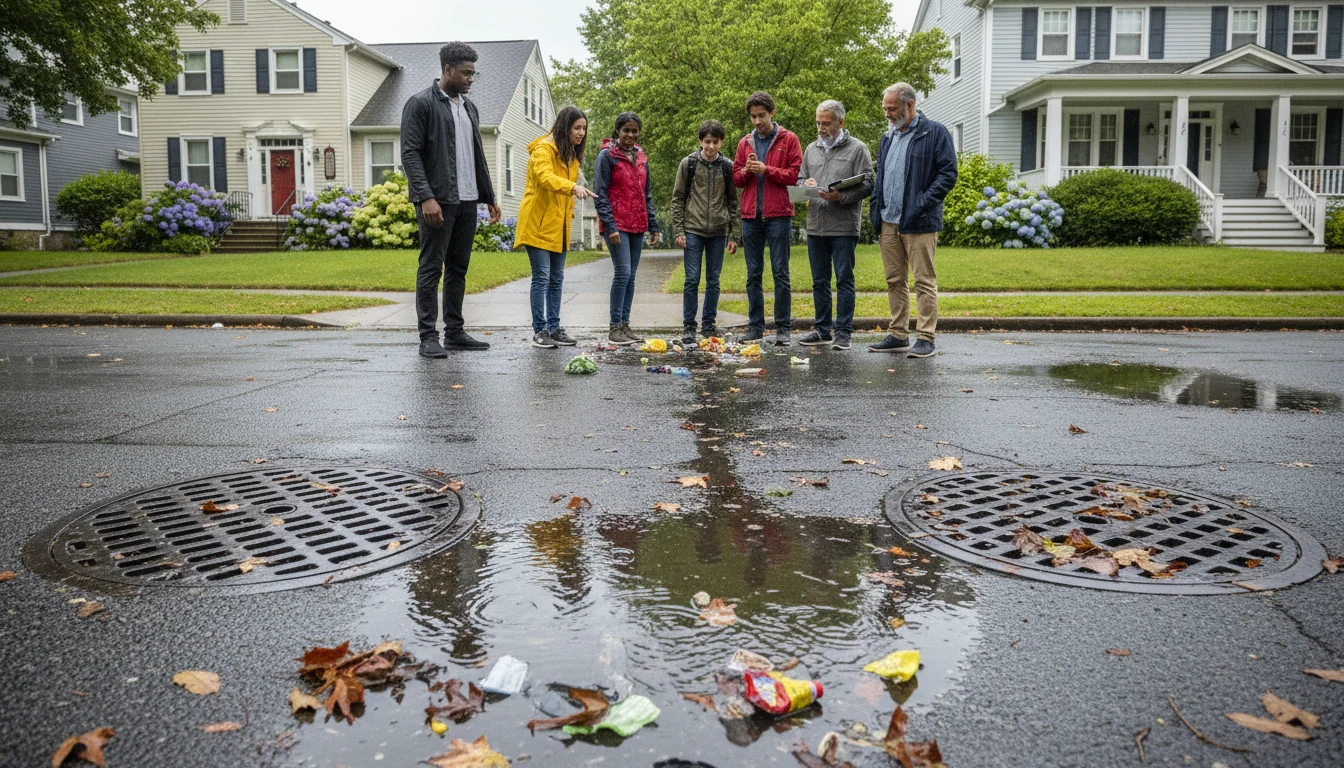
Understanding Bio-Swales
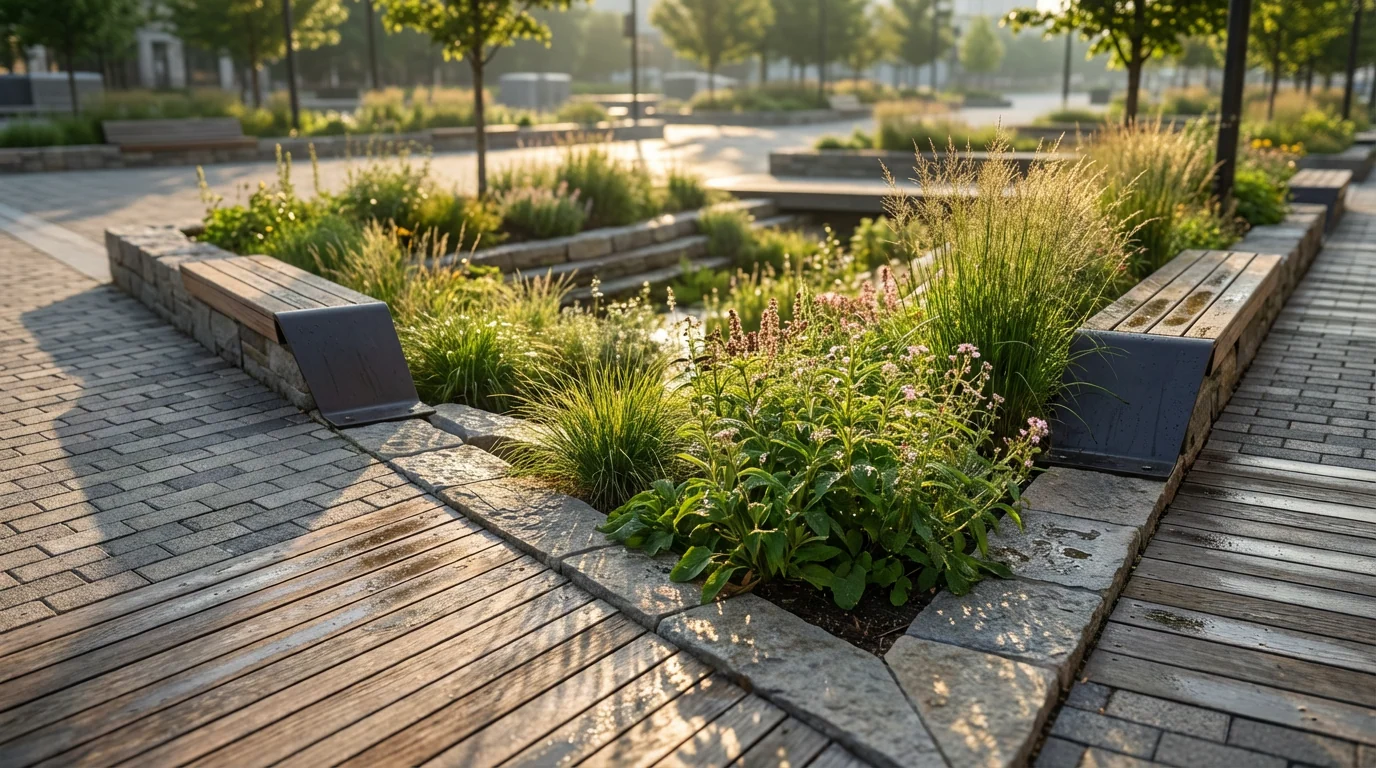
Bio-swales are an innovative approach to managing stormwater, combining nature and engineering to address urban runoff. These landscape elements are designed to concentrate and convey stormwater runoff while removing debris and pollution. By integrating bio-swales into urban planning, communities can significantly reduce the impact of stormwater on local ecosystems.
In Walton County, the introduction of bio-swale micro-grants has been a game-changer. These grants provide funding to local communities and organizations to implement bio-swales, fostering environmental sustainability at the grassroots level.
The Role of Micro-Grants in Stormwater Management
Micro-grants play a crucial role in stormwater management by offering the financial resources needed for small-scale projects. These grants are particularly beneficial in areas where large-scale infrastructure projects are not feasible. By empowering local communities, micro-grants enable the implementation of efficient and cost-effective stormwater solutions.
Walton County has embraced this approach, encouraging residents and community groups to apply for micro-grants. This initiative not only addresses stormwater issues but also promotes community involvement and environmental stewardship.
Benefits of Bio-Swale Micro-Grants
The benefits of bio-swale micro-grants are numerous. Here are a few key advantages:
- Cost-Effectiveness: Micro-grants allow for the implementation of stormwater solutions without the need for extensive funding.
- Community Engagement: Local involvement fosters a sense of ownership and responsibility towards environmental conservation.
- Environmental Impact: Bio-swales help filter pollutants, improve water quality, and enhance local biodiversity.
Success Stories from Walton County
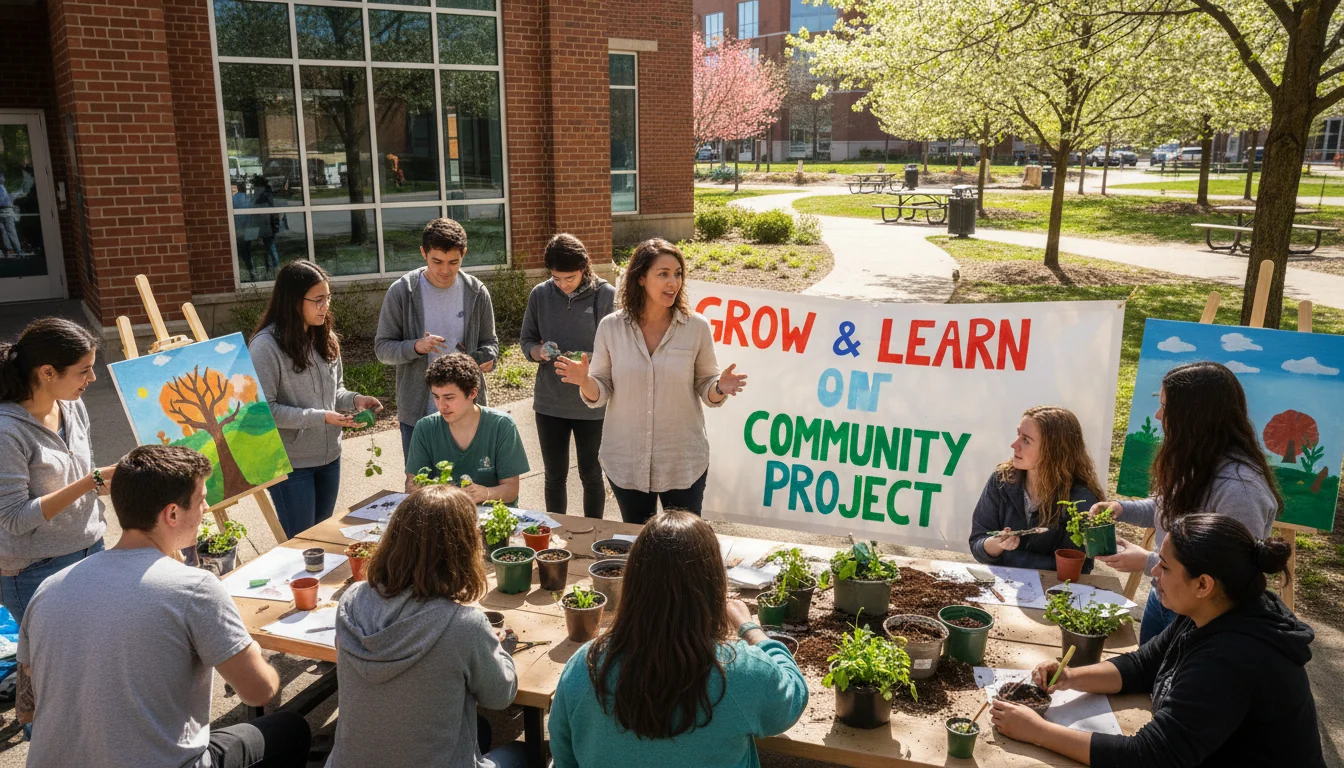
Walton County has seen numerous success stories since the introduction of bio-swale micro-grants. Community gardens, local schools, and neighborhood associations have successfully implemented bio-swales, reducing flooding and improving water quality in their areas.
One notable example is the collaboration between a local school and a gardening club, which transformed an unused plot of land into a vibrant bio-swale. This project not only manages stormwater effectively but also serves as an educational tool for students and residents.
Challenges and Future Prospects
Despite the successes, there are challenges that need addressing. Maintenance of bio-swales is crucial to ensure their long-term effectiveness, requiring continued community involvement and education. Additionally, there is a need for ongoing funding to expand these projects across the county.
Looking ahead, the future of stormwater management in Walton County appears promising. With continued support and innovation, bio-swale micro-grants can further transform the landscape, setting a precedent for other regions to follow.
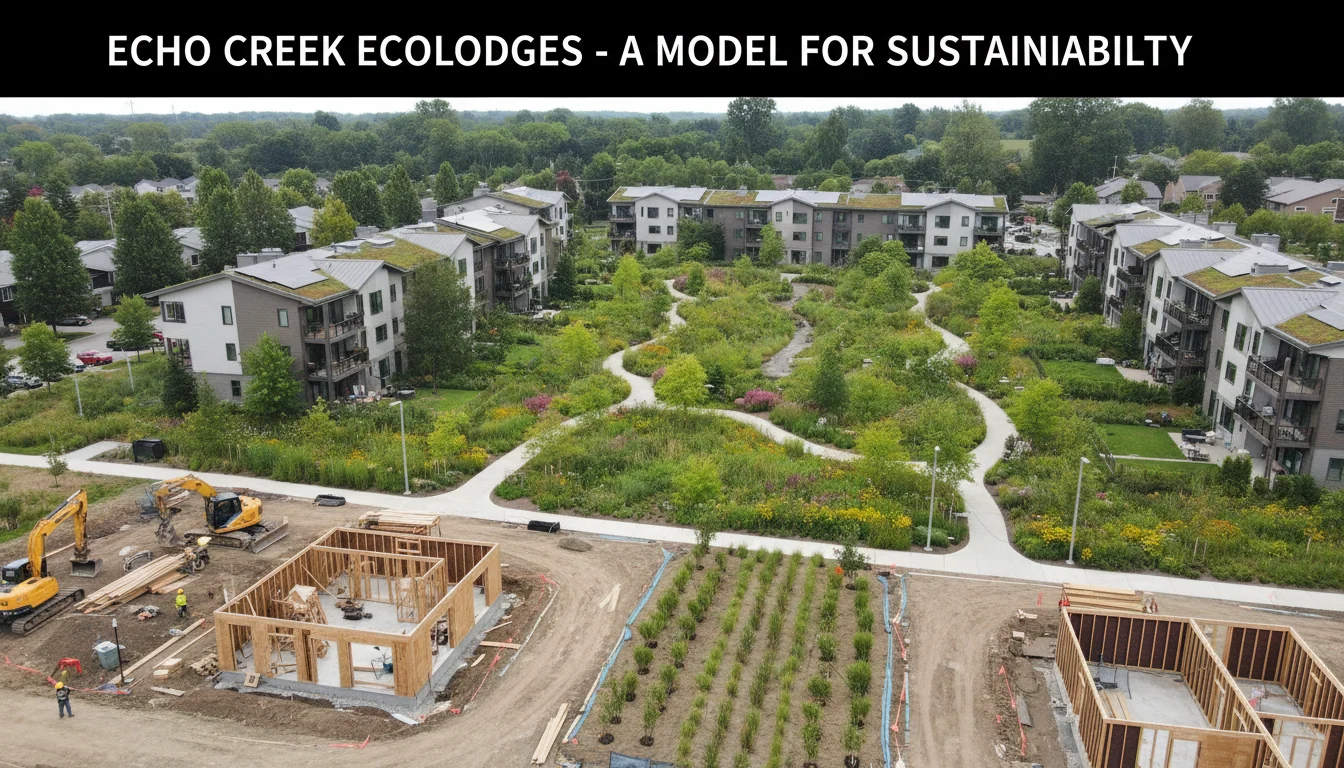
In conclusion, the integration of bio-swale micro-grants in Walton County highlights the potential of small-scale initiatives to make a significant environmental impact. By harnessing the power of community engagement and innovative stormwater solutions, Walton County sets a powerful example for sustainable urban planning.
Part of the EcoGuardian journal. This article retains its original publication context; references to grants, regulations, research, and services may have changed since publication.