Understanding the Importance of Stormwater Management
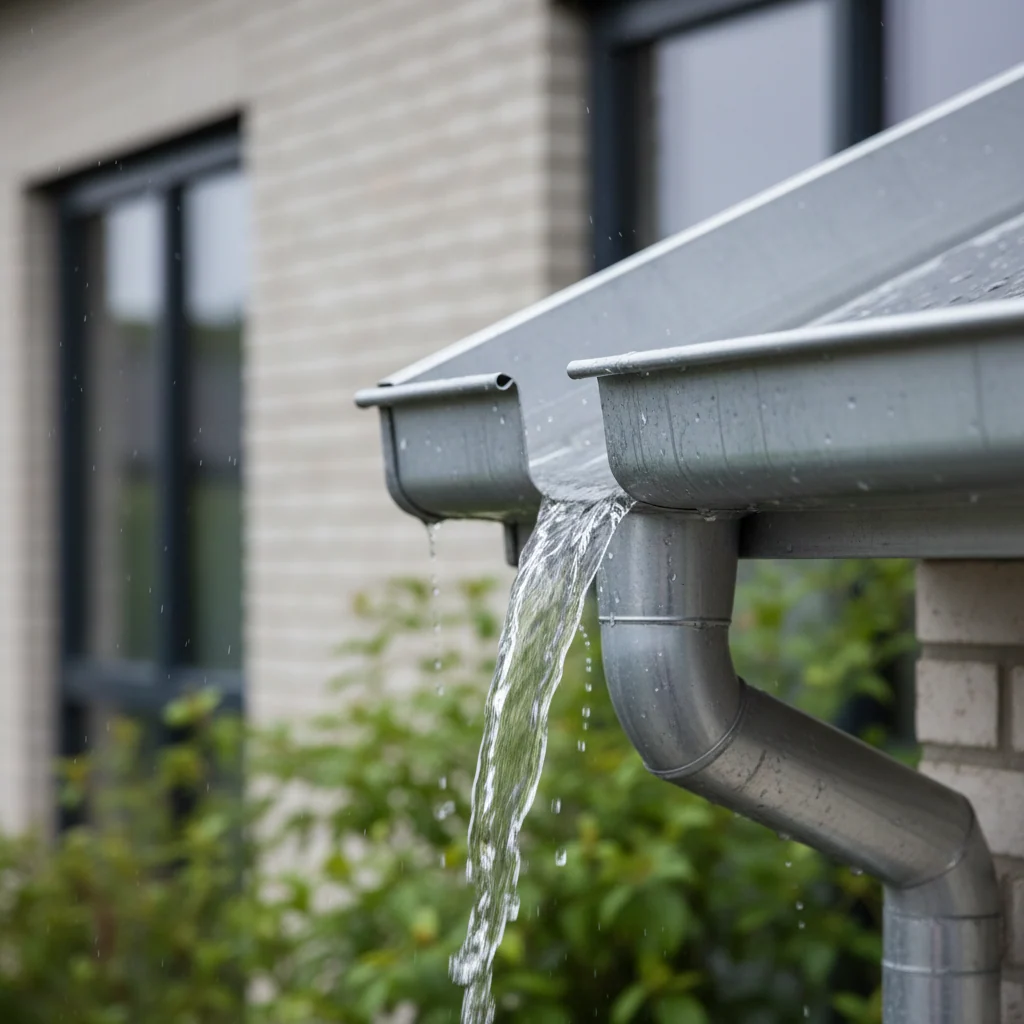
Stormwater management is a critical aspect of urban planning that helps mitigate flooding, reduce pollution, and protect natural waterways. As cities grow and impervious surfaces increase, innovative solutions are needed to handle the excess water generated during storms.
Traditional systems often struggle to cope with heavy rainfall, leading to overwhelmed sewers and water pollution. This is where innovative solutions like bio-swales come into play, offering sustainable alternatives that benefit both the environment and urban infrastructure.
What Are Bio-Swales?
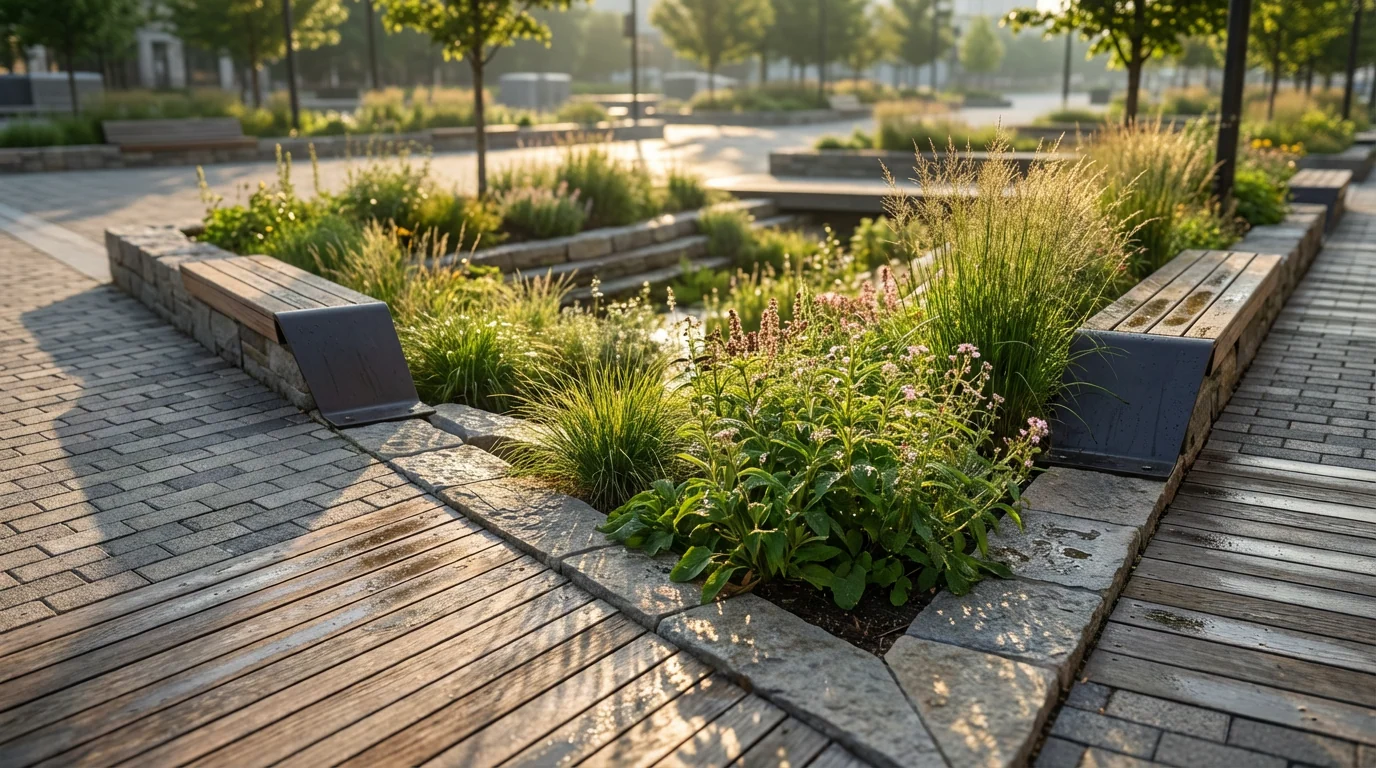
Bio-swales are landscape elements designed to concentrate and convey stormwater runoff while removing debris and pollution. They are essentially shallow, vegetated channels that use the natural filtration properties of soil and plants to clean runoff water.
The design of a bio-swale typically includes gently sloping sides and a combination of native plants, grasses, and sometimes rocks. These components work together to slow the flow of water, allowing it to infiltrate the ground and be filtered naturally.
Benefits of Bio-Swales
Bio-swales offer numerous benefits over traditional stormwater management systems:
- Pollution Reduction: Plants and soil in bio-swales filter out pollutants, improving water quality.
- Flood Mitigation: By slowing down water flow, bio-swales help prevent flooding and erosion.
- Habitat Creation: They provide habitats for wildlife, enhancing biodiversity in urban areas.
Beyond Bio-Swales: Exploring Other Solutions
While bio-swales are a popular and effective solution, there are other innovative stormwater management techniques worth exploring. Green roofs, permeable pavements, and rain gardens are just a few examples that complement bio-swales and enhance urban resilience.
Green roofs involve the installation of vegetation on rooftops, which absorbs rainwater and provides insulation. This not only reduces runoff but also lowers energy costs for buildings.
Permeable Pavements and Rain Gardens
Permeable pavements are materials designed to allow water to pass through the surface, reducing runoff and promoting groundwater recharge. They are ideal for parking lots, driveways, and walkways.
Rain gardens are strategically placed gardens that capture runoff from roofs, driveways, and streets. They use native plants to absorb and filter water, reducing the load on stormwater systems.
Implementing Innovative Solutions in Urban Design
Integrating these stormwater solutions into urban design requires cooperation between city planners, engineers, and landscape architects. It involves careful planning and consideration of local climate, soil conditions, and existing infrastructure.
Municipalities can encourage the adoption of these solutions by offering incentives or integrating them into building codes and regulations. Community engagement and education are also crucial to ensure the success and maintenance of these systems.
The Future of Stormwater Management
As climate change continues to affect weather patterns, the need for innovative stormwater solutions becomes more pressing. By adopting techniques like bio-swales, green roofs, and permeable pavements, cities can become more resilient and sustainable.
These solutions not only address environmental challenges but also enhance the quality of life for urban residents, creating healthier and more livable cities for future generations.
Part of the EcoGuardian journal. This article retains its original publication context; references to grants, regulations, research, and services may have changed since publication.