How to Maximize Environmental Benefits with Home-Based Bio-Swale Projects


Creating a sustainable environment begins at home, and one effective way to contribute is by implementing bio-swale projects. Bio-swales are landscape elements designed to concentrate or remove debris and pollution from surface runoff water. They are a practical and eco-friendly solution for managing stormwater and enhancing the natural beauty of your garden.

Understanding Bio-Swales
Bio-swales are engineered to slow down water runoff, allowing it to filter through plants and soil. They are typically designed as shallow, vegetated ditches or channels. This process helps in reducing pollutants and recharging groundwater supplies.
A properly designed bio-swale can effectively manage water runoff from driveways, roofs, and other hard surfaces, minimizing erosion and water pollution. It’s a simple yet impactful way to contribute to environmental conservation.
Planning Your Bio-Swale
Before starting a bio-swale project, it’s important to understand your garden’s topography. Identify areas where water naturally flows and pools. This will guide you in selecting the optimal location for your bio-swale.
Consider the following steps for planning:
- Assess the slope and soil type.
- Measure the area to determine the size and shape.
- Research local regulations and permits if required.

Choosing the Right Plants
The selection of plants is crucial for the success of your bio-swale. Choose native plants that are well-suited to the local climate and soil conditions. These plants typically require less maintenance and provide better filtration.
Consider plants with deep root systems to help stabilize the soil and absorb excess water. Grasses, sedges, and shrubs are excellent choices for bio-swales due to their resilience and filtration capabilities.
Construction Tips
Once you’ve planned and selected your plants, it’s time to construct your bio-swale. Here are some tips to keep in mind:
- Excavate the area according to your design plan.
- Ensure a gentle slope to facilitate water flow.
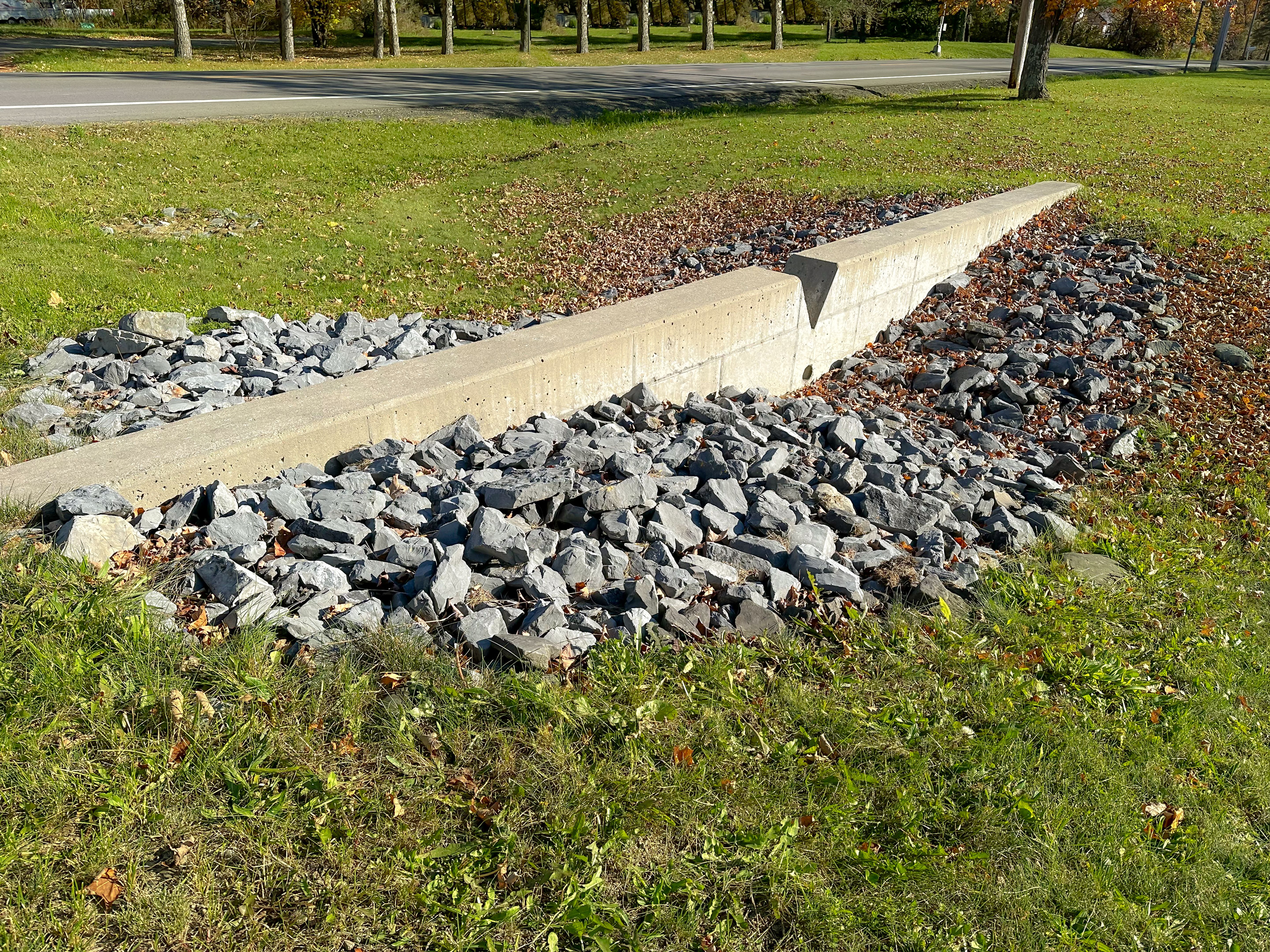
- Layer the bottom with gravel or stones to aid drainage.
- Plant your selected vegetation, ensuring even coverage.
Maintenance and Care
Regular maintenance is essential to ensure the effectiveness of your bio-swale. Keep the area free of debris and invasive species. Regularly check for erosion or blockages, and prune plants to maintain a healthy ecosystem.
By properly maintaining your bio-swale, you can continue to enjoy its benefits, including improved water quality, reduced flooding, and enhanced biodiversity in your garden.
Community Impact
Beyond individual benefits, home-based bio-swales can have a positive impact on the community. They reduce the burden on municipal stormwater systems and contribute to cleaner waterways. Encourage neighbors to implement similar projects, creating a network of sustainable landscapes.
In conclusion, bio-swales are a powerful tool for maximizing environmental benefits. By thoughtfully planning, implementing, and maintaining these eco-friendly systems, homeowners can create thriving, sustainable gardens that support local ecosystems.