How to Maintain Your Bio-Swale for Long-term Success


Understanding Bio-Swales
Bio-swales are a sustainable way to manage stormwater runoff, combining the natural filtering processes of vegetation with engineered drainage solutions. They help reduce pollution, prevent flooding, and promote groundwater recharge. To ensure their effectiveness over time, regular maintenance is essential.
Regular Inspection and Monitoring
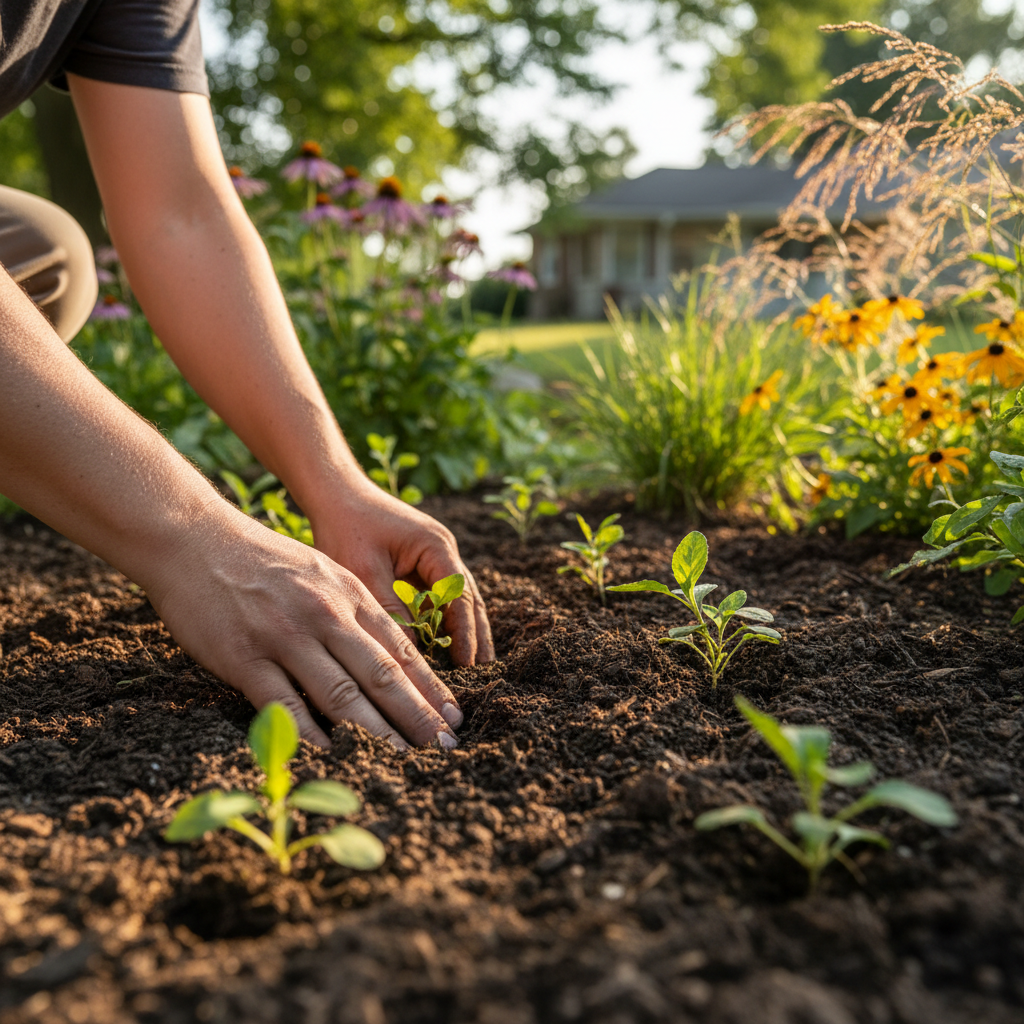
Frequent inspections are crucial. Check your bio-swale at least four times a year and after major storms. Look for signs of erosion, sediment buildup, or any blockages. Early detection of issues can prevent more significant problems down the line.
Vegetation Management
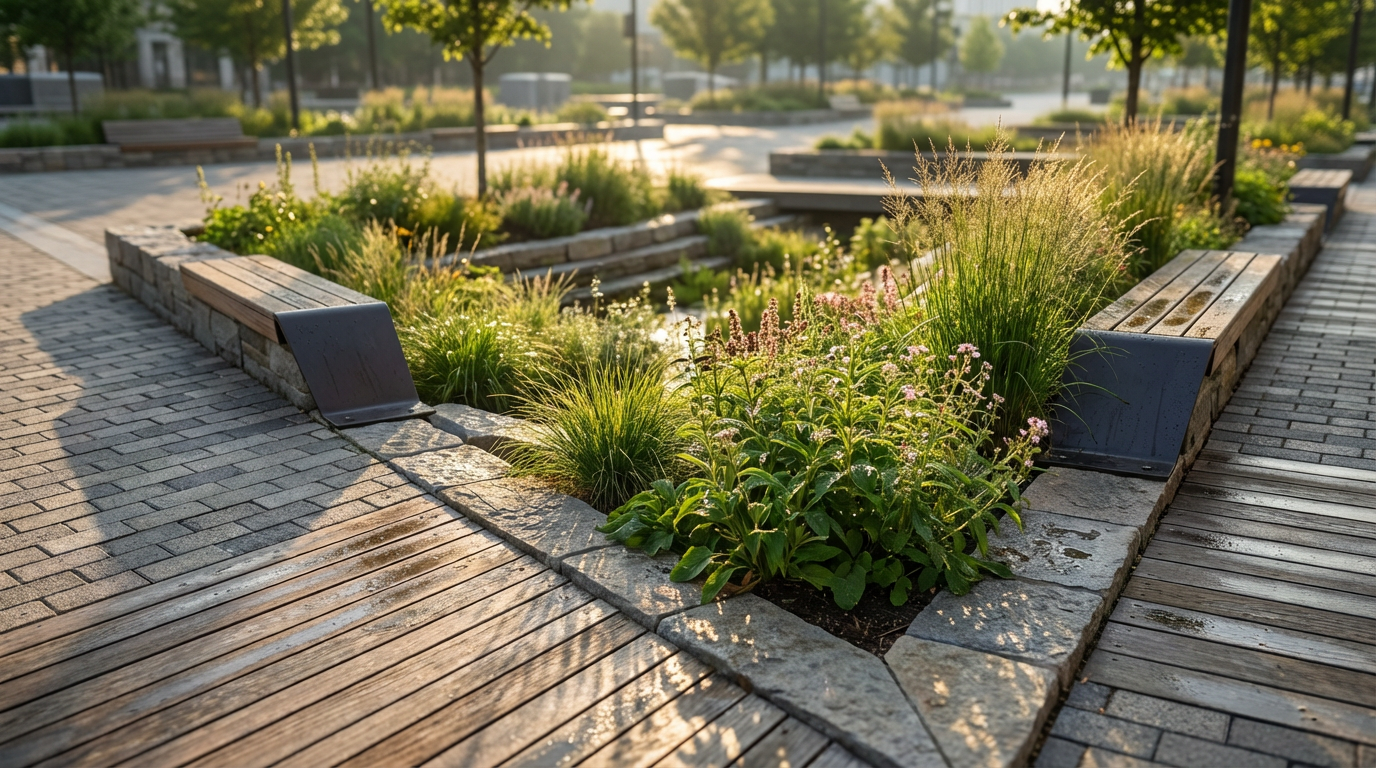
The plants in your bio-swale play a vital role in filtering pollutants. Ensure they are healthy and thriving. Regularly remove invasive species and dead plants. Consider trimming back overgrown vegetation to maintain optimal water flow and sunlight penetration.
Sediment and Debris Removal
Sediment accumulation can impede water flow and reduce the bio-swale's efficiency. Remove excess sediment and debris from the inlets and outlets. This process not only ensures proper functioning but also prevents potential blockages.
Checking for Erosion and Soil Stability
Erosion can undermine the structure of your bio-swale. Regularly check for signs of erosion around the edges and in the basin. Reinforce any weak areas with additional planting or rock placement to stabilize the soil.
Ensuring Proper Water Flow
Proper water flow is essential for the bio-swale’s performance. Ensure that the water is moving through the system as designed, without pooling or bypassing the intended areas. Adjust the grading or contouring if necessary to maintain efficient flow.
Addressing Potential Pest Issues
Pests can sometimes become a problem in bio-swales. Keep an eye out for signs of damage from insects or rodents. Use eco-friendly pest management solutions to protect the plants without harming the environment.
Seasonal Maintenance Tasks
Different seasons bring different challenges. In the fall, remove fallen leaves that can clog the system. During winter, check for ice buildup that might obstruct flow. Each season, adjust your maintenance tasks accordingly to keep the system in peak condition.
- Inspect drains and channels.
- Trim and care for plants.
- Remove sediment and debris.
Community Involvement and Education
Engaging the local community can be beneficial for the long-term success of your bio-swale. Educate neighbors about the importance of this system and encourage them to report any issues they observe. This collective effort can lead to better maintenance outcomes.