
Understanding Bio-Swales
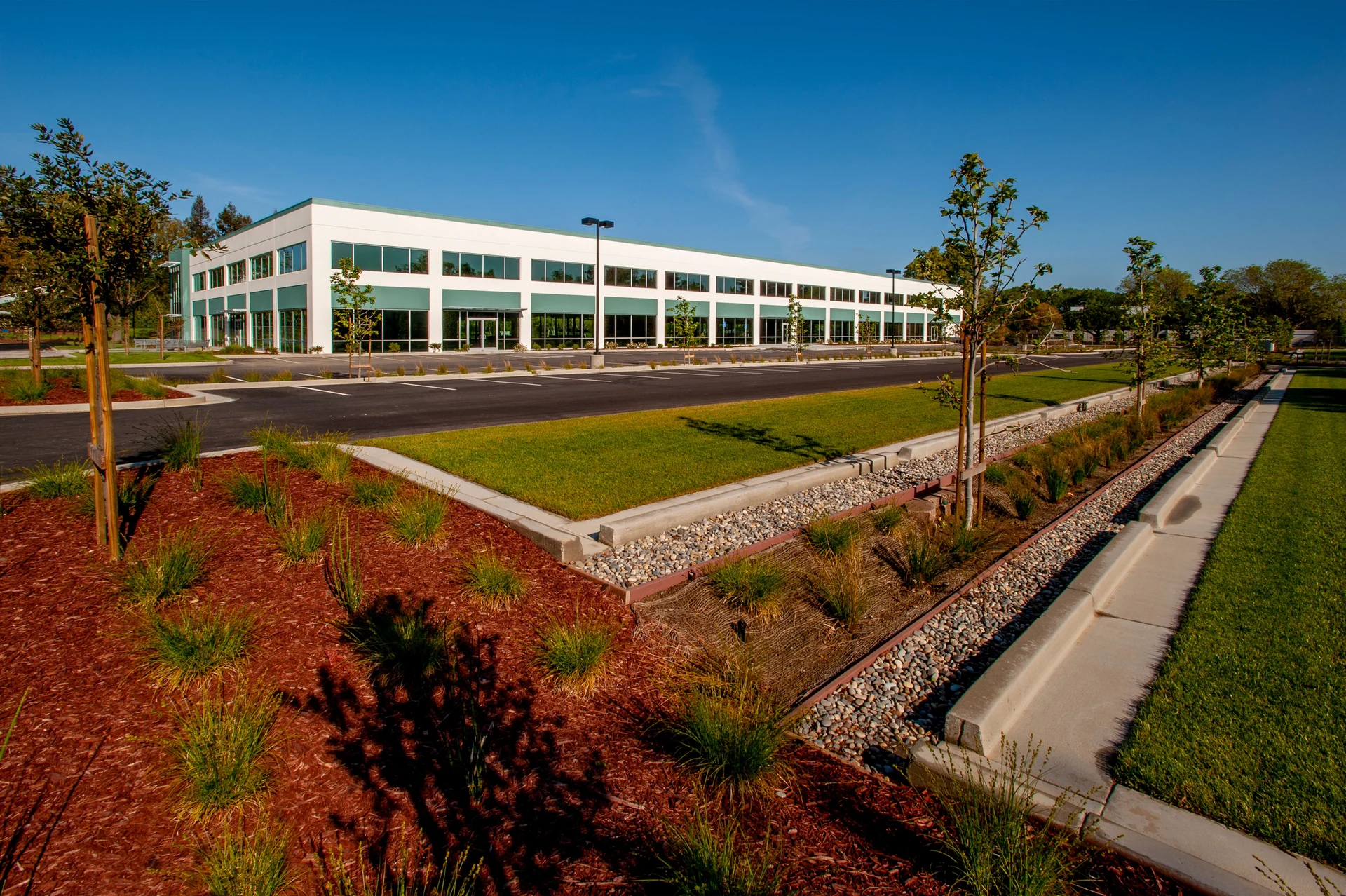
Bio-swales are essential components of sustainable landscape design. They are designed to manage water runoff, improve water quality, and enhance biodiversity. A well-planned bio-swale can significantly contribute to stormwater management, making it a critical element in urban and rural planning.
Research and Planning
Before submitting a bio-swale project application, thorough research is crucial. Understand the local regulations and environmental conditions. Familiarize yourself with the native vegetation suitable for your area, as these plants will thrive with minimal maintenance and help filter pollutants from the water.
Planning should also include evaluating the slope, soil type, and water flow rate. These factors influence the bio-swale’s design and effectiveness. Consider consulting with environmental engineers or landscape architects to ensure your plan is robust and feasible.
Design and Aesthetics
While functionality is paramount, aesthetics should not be overlooked. A visually appealing bio-swale can gain more support from stakeholders. Incorporate a variety of plants with different textures and colors to make the bio-swale an attractive landscape feature.

Use natural materials like rocks and logs to define pathways and add visual interest. A well-designed bio-swale not only serves its purpose but also enhances the overall landscape.
Technical Specifications
Providing detailed technical specifications is crucial. Include information on soil composition, plant species, and drainage systems. Clearly outline the dimensions and layout of the bio-swale, as well as any innovative techniques you plan to implement.
Ensure your application includes maintenance plans. Regular upkeep is vital to the bio-swale’s long-term success. This might include periodic checks for blockages and the health of vegetation.

Community and Environmental Benefits
Highlighting the community and environmental benefits of your bio-swale project can strengthen your application. Explain how the project will reduce flooding, improve water quality, and provide habitat for wildlife. Emphasize any educational opportunities or recreational enhancements that the bio-swale might offer to the community.
Budget and Funding
Clearly outline the project’s budget. Include costs for materials, labor, and maintenance. Be transparent about any potential funding sources and how these will be utilized. A well-prepared budget demonstrates that you have carefully considered all financial aspects of the project.
Consider seeking grants or partnerships with environmental organizations. These can provide additional funding and support, strengthening your application.
Final Review and Submission
Before submitting your application, conduct a thorough review. Ensure all sections are complete and that the information is accurate. It can be beneficial to have someone unfamiliar with the project review the application to ensure clarity and coherence.

Finally, submit your application according to the guidelines provided by the relevant authorities. Timely submission is crucial, as missing deadlines can delay your project significantly.
Conclusion
Enhancing your bio-swale project application requires attention to detail, thorough research, and a clear presentation of benefits and specifications. By following these tips, you can increase the likelihood of approval and contribute positively to environmental sustainability.
Part of the EcoGuardian journal. This article retains its original publication context; references to grants, regulations, research, and services may have changed since publication.