Are you interested in enhancing your community’s green infrastructure? Applying for a bio-swale micro-grant can be a great way to fund your project and contribute to environmental sustainability. This guide will walk you through the process step-by-step, ensuring you have the best chance of success.
Understanding Bio-Swales
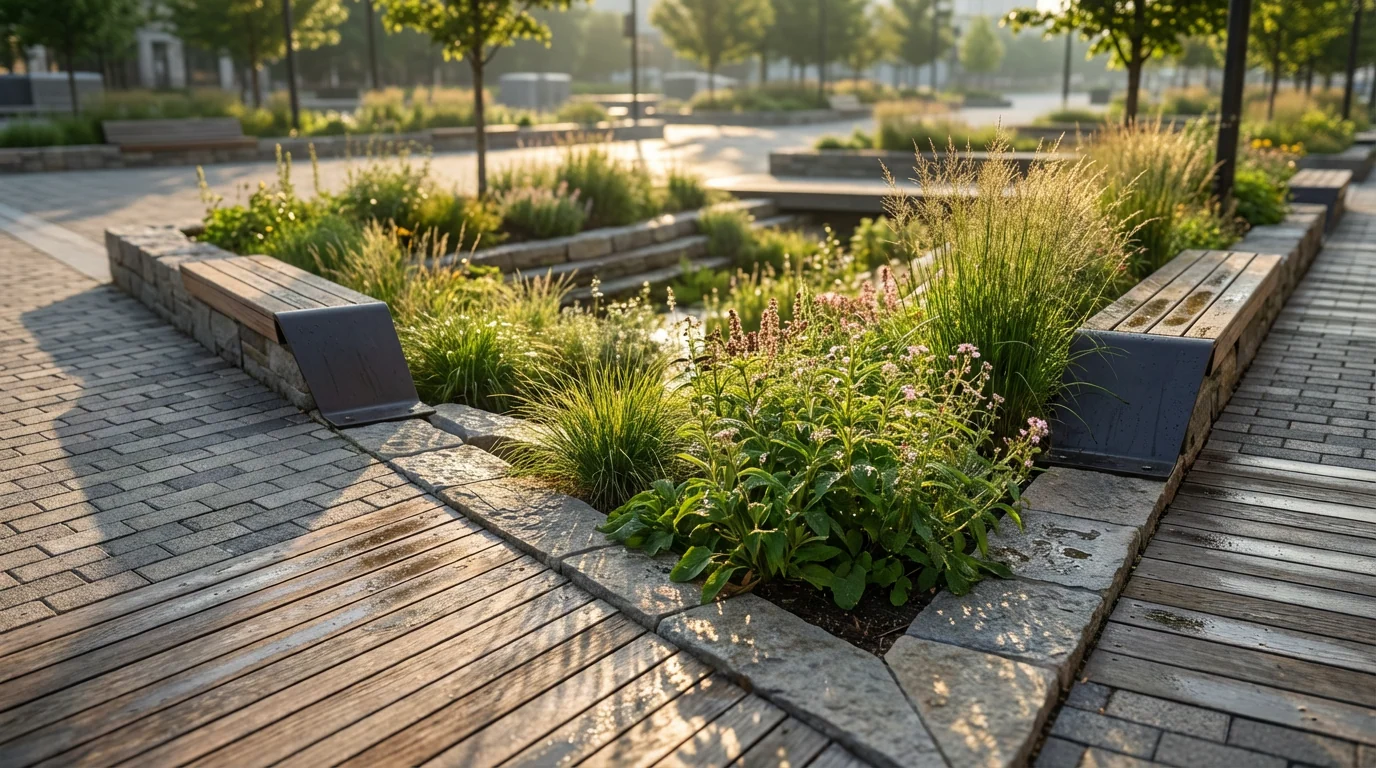
Before diving into the application process, it's essential to understand what a bio-swale is. A bio-swale is a landscape element designed to concentrate and transport stormwater runoff while removing debris and pollution. They are effective in enhancing water quality and promoting biodiversity.
These structures are typically vegetated with native plants and can be a beautiful addition to urban or suburban settings. Communities often use them to manage water sustainably and improve ecological health.
Researching Available Grants
Start by researching available micro-grants for bio-swale projects. Many local governments, environmental organizations, and nonprofits offer funding opportunities. Look for grants that align with your project's goals and have a track record of supporting similar initiatives.
Important: Pay attention to the eligibility criteria and deadlines. Missing these details can disqualify your application from consideration.
Preparing Your Application
Once you’ve identified suitable grants, it’s time to prepare your application. Here’s how:
1. Gather Required Documents
Create a checklist of all necessary documents. This often includes:
- A detailed project plan
- Budget estimates
- Community support letters
- Environmental impact assessments
Ensure each document is well-organized and clearly labeled.

2. Write a Compelling Proposal
Your proposal should clearly outline the project’s objectives, the benefits of the bio-swale, and how it aligns with the grant provider’s mission. Highlight the environmental, social, and economic impacts of the project.
Tip: Use data and case studies to support your claims. A well-researched proposal can significantly boost your credibility.
Submitting the Application
After preparing your application, follow these steps to submit it:
- Double-check all documents for accuracy and completeness.
- Submit the application through the specified channel (online portal, email, or mail).
- Confirm receipt with the grant provider to ensure your application was received.
Be mindful of submission deadlines. Late applications are often not considered, regardless of their quality.

Following Up
After submission, it’s crucial to follow up. This demonstrates your commitment and can provide valuable information about your application status. If the grant provider offers feedback, use it to improve future applications.
Stay positive and patient. Grant processes can take time, but persistence pays off.
By following this guide, you’ll be well-equipped to apply for a bio-swale micro-grant successfully. Good luck with your sustainable project!
Part of the EcoGuardian journal. This article retains its original publication context; references to grants, regulations, research, and services may have changed since publication.