Understanding Bio-Swales
Bio-swales are innovative landscape elements designed to manage stormwater runoff. By mimicking natural water filtration systems, they help reduce erosion, filter pollutants, and enhance the aesthetics of your yard. Homeowners are increasingly turning to bio-swales to transform their landscapes into sustainable, eco-friendly environments.
How Bio-Swales Work
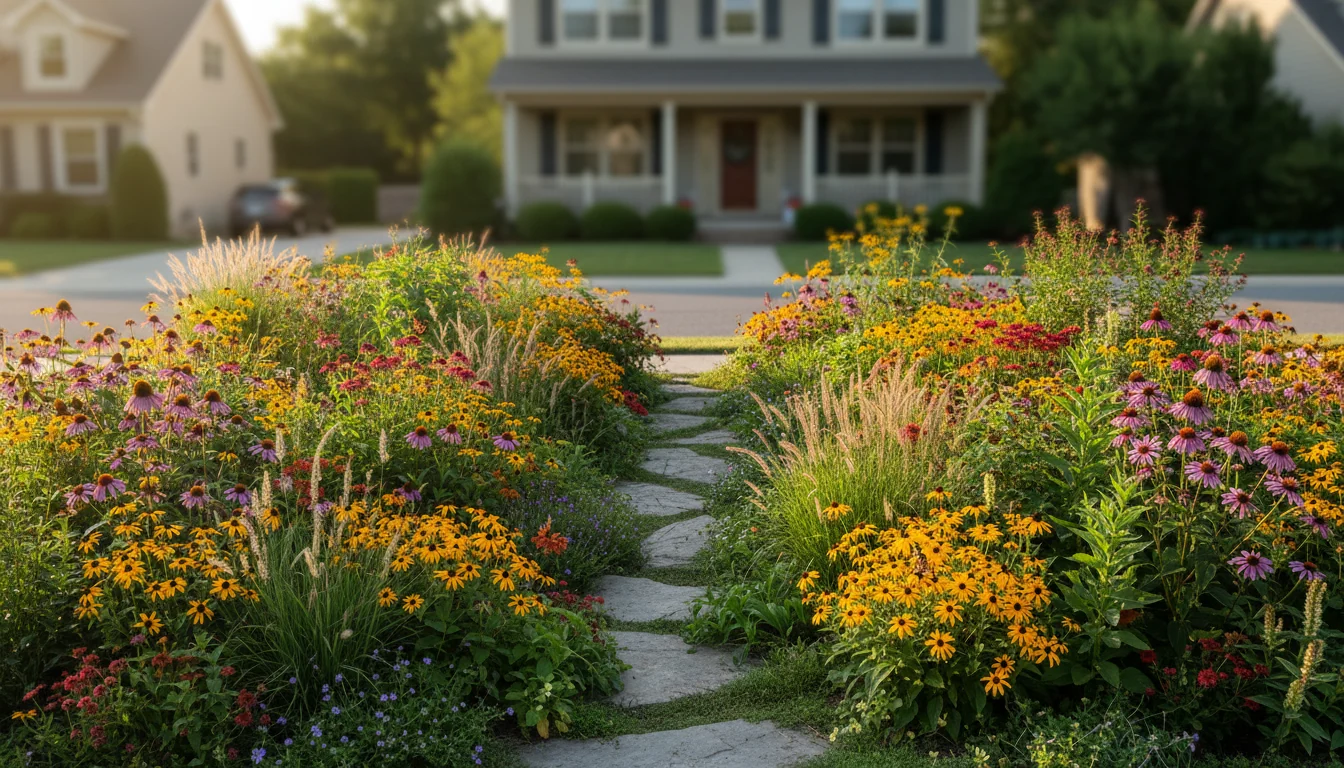
Bio-swales are essentially shallow, vegetated channels that capture and slowly release stormwater. They are lined with plants, rocks, and soil, which filter out pollutants from the water. The design allows water to infiltrate the soil, replenishing groundwater supplies and reducing excess runoff.
Components of a Bio-Swale
A typical bio-swale consists of three main components:
- Vegetation: Native plants and grasses that help absorb water and filter pollutants.
- Soil: A mix of sand, silt, and organic matter to enhance filtration and support plant growth.
- Rocks and Gravel: Used to slow down water flow and provide additional filtration.

Benefits for Homeowners
Installing a bio-swale in your landscape offers numerous advantages. Firstly, it helps in reducing flooding risks by managing stormwater effectively. Additionally, bio-swales improve water quality by filtering pollutants, thus contributing to a healthier environment.
Enhancing Property Value
Beyond environmental benefits, bio-swales can enhance the visual appeal of your property. By integrating native plants and creating a naturalistic setting, your landscape becomes more attractive, potentially increasing your home's market value.
Design Considerations
When planning a bio-swale, several factors should be considered. The size and slope of your property, soil type, and local climate all influence the design. Consulting with a landscape professional can ensure that your bio-swale is both effective and aesthetically pleasing.
Maintenance Tips
Maintaining a bio-swale requires regular monitoring and care. Homeowners should:
- Check for debris and remove any blockages.
- Ensure plants are healthy and replace any that are dead or dying.
- Inspect the soil and rocks to maintain proper filtration.
Getting Started
If you're interested in transforming your landscape with a bio-swale, start by researching local regulations and guidelines. Many areas offer resources and even incentives for homeowners looking to implement sustainable landscape solutions.
With the right planning and execution, a bio-swale can become a beautiful, functional addition to your home, promoting environmental health and enhancing your outdoor space.
Part of the EcoGuardian journal. This article retains its original publication context; references to grants, regulations, research, and services may have changed since publication.