How Bio-Swales Enhance Water Management in Walton County


Understanding Bio-Swales
Bio-swales are innovative landscape elements designed to manage water runoff effectively. These natural systems are becoming increasingly popular in Walton County as a sustainable method to address stormwater management challenges. By mimicking natural processes, bio-swales help filter pollutants and recharge groundwater.
Unlike traditional concrete drainage systems, bio-swales use vegetation and soil to slow down and treat runoff water. This process helps in minimizing erosion, flooding, and water pollution, ensuring a healthier ecosystem.
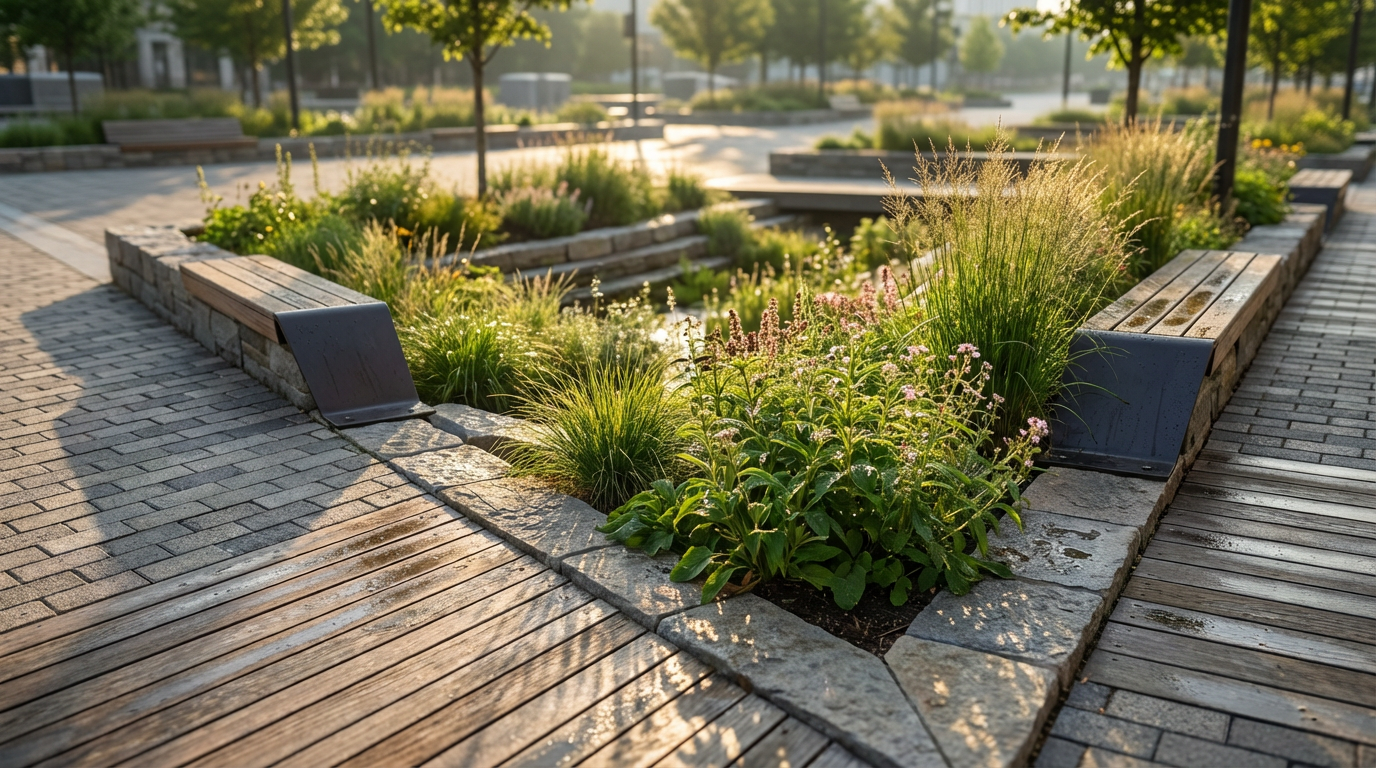
The Role of Bio-Swales in Water Management
In Walton County, bio-swales play a crucial role in managing the area's abundant rainfall. The county's commitment to sustainable water management has led to the integration of these systems in urban planning. Bio-swales help redirect stormwater away from streets and buildings, reducing the risk of flooding.
By channeling water through vegetation, bio-swales facilitate the removal of pollutants such as oils, metals, and sediments. This natural filtration process significantly improves the quality of water entering local water bodies.
Benefits of Implementing Bio-Swales
The benefits of bio-swales extend beyond water management. These systems offer aesthetic enhancements to urban and suburban areas, providing green spaces that support local biodiversity. Additionally, bio-swales are cost-effective, requiring less maintenance than traditional drainage systems.
Bio-swales also contribute to urban cooling. The vegetation within these systems absorbs heat, lowering temperatures in surrounding areas. This effect can be particularly beneficial in reducing the urban heat island effect prevalent in densely populated regions.
Design and Implementation
Designing a bio-swale involves careful planning and consideration of the local environment. Factors such as soil type, vegetation selection, and slope gradient play a significant role in the effectiveness of the system. In Walton County, experts collaborate with local authorities to ensure bio-swales are tailored to specific site conditions.
- Assess the site's water flow and soil characteristics.
- Select appropriate plants that thrive in wet conditions.
- Ensure proper grading to facilitate effective water flow.
Community Involvement and Education
Community engagement is essential in the successful implementation of bio-swales. Educating residents about the benefits and functionality of these systems fosters support and cooperation. In Walton County, workshops and informational sessions are conducted to raise awareness about sustainable water management practices.

Involving the community not only enhances the maintenance of bio-swales but also empowers residents to participate in conservation efforts actively. This collaborative approach leads to more resilient and sustainable communities.
Future Prospects for Walton County
As climate change continues to impact weather patterns, the demand for effective water management solutions like bio-swales will increase. Walton County is at the forefront of these efforts, setting an example for other regions to follow. The continued integration of bio-swales is expected to bolster the county's resilience against extreme weather events.
By embracing nature-based solutions, Walton County is paving the way for a sustainable future, ensuring that its water resources are managed efficiently and responsibly for generations to come.