Understanding Bio-Swales
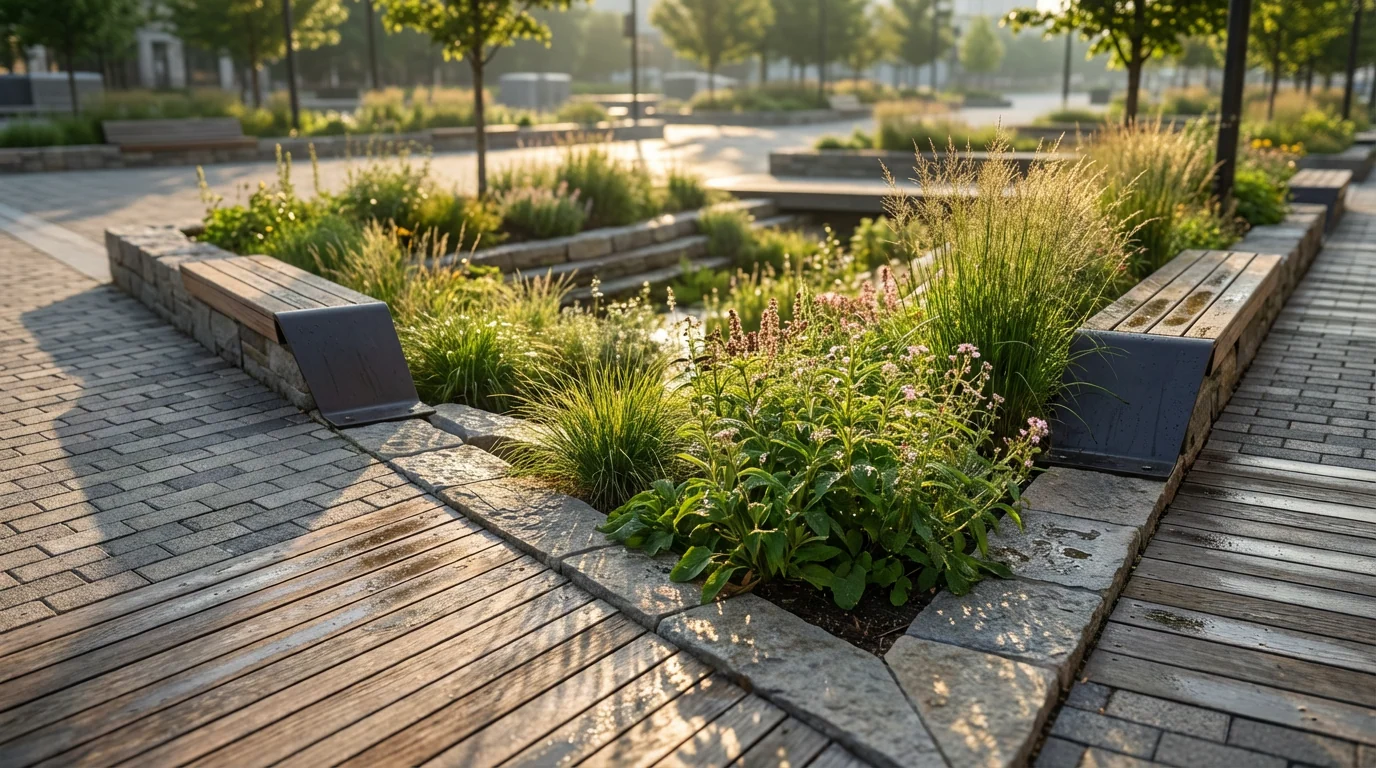
Bio-swales are innovative landscape elements designed to manage water runoff, filter pollutants, and promote sustainable water systems. These features are shallow, vegetated channels that collect and convey stormwater while allowing it to infiltrate the ground. By incorporating bio-swales into urban environments, communities can significantly reduce flooding and improve water quality.
The Role of Micro-Grants
Micro-grants have become an instrumental tool in promoting the implementation of bio-swales in Walton County. These small-scale funding opportunities empower local residents, businesses, and organizations to invest in sustainable infrastructure without bearing the full financial burden. By providing accessible funding, micro-grants encourage widespread adoption of eco-friendly practices.
Recipients of these grants can use the funds to design and construct bio-swales on their properties, effectively contributing to community-wide environmental benefits. This grassroots approach ensures that sustainable living is not just a concept but a practical reality.
Environmental Benefits
Bio-swales offer numerous ecological advantages. They help reduce surface runoff, which in turn decreases the risk of erosion and flooding. Furthermore, the vegetation in bio-swales acts as a natural filter, trapping pollutants and improving water quality before it reaches larger bodies of water.

In addition to these benefits, bio-swales enhance biodiversity by providing habitats for various plant and animal species. This contribution to local ecosystems is vital for maintaining ecological balance and promoting healthy urban environments.
Community Engagement and Education
One of the significant impacts of bio-swale micro-grants in Walton County is the increased community engagement and education. As residents participate in the planning and construction of bio-swales, they gain a deeper understanding of sustainable practices and their importance. This knowledge sharing fosters a culture of environmental stewardship.
Workshops and seminars are often organized alongside these projects, providing valuable insights and hands-on experience in sustainable landscaping. This educational component ensures that the benefits of bio-swales extend beyond immediate environmental impacts.

Economic Advantages
Aside from environmental and educational benefits, bio-swales also offer economic advantages. By reducing the need for extensive stormwater infrastructure, they help lower municipal costs. Additionally, properties with bio-swales may experience increased value due to enhanced aesthetic appeal and reduced flood risk.
Micro-grants make it feasible for smaller businesses and homeowners to invest in bio-swales, leveling the playing field and ensuring that sustainable development is accessible to all economic sectors in Walton County.
The Future of Sustainable Living in Walton County
The success of bio-swale micro-grants highlights the potential for similar initiatives to drive sustainable living across Walton County and beyond. By investing in green infrastructure, communities can create resilient environments capable of withstanding the challenges posed by climate change.
As more residents and businesses embrace these solutions, Walton County sets a powerful example of how local action can lead to significant environmental and economic gains. With continued support and innovation, the county is poised to become a leader in sustainable urban development.
Part of the EcoGuardian journal. This article retains its original publication context; references to grants, regulations, research, and services may have changed since publication.