Guide to Bio-Swale Projects: Enhancing Your Home and Environment


Understanding Bio-Swales
Bio-swales are innovative landscape features designed to manage stormwater runoff, improve water quality, and enhance your property’s aesthetic appeal. By integrating natural elements, bio-swales effectively filter and direct water, reducing the risk of flooding while supporting the local ecosystem. If you're considering a sustainable project for your home, a bio-swale might be an ideal choice.
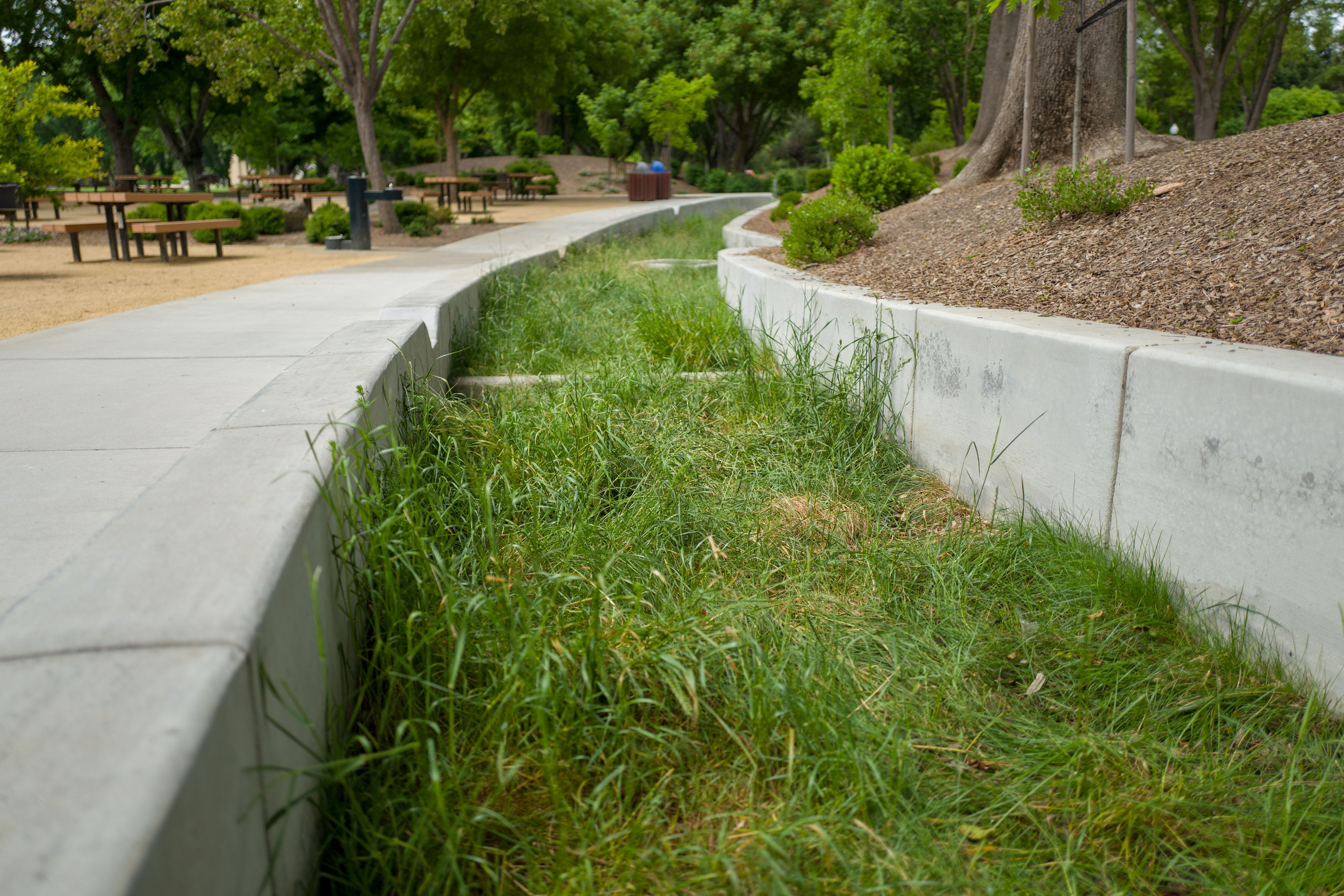
A bio-swale functions as a shallow, vegetated channel that guides rainwater to a designated area, allowing it to percolate into the ground. This natural filtration process removes pollutants and sediments, delivering cleaner water to the groundwater system.
Benefits of Bio-Swales
Implementing a bio-swale on your property offers numerous advantages, both environmentally and aesthetically. Here are some key benefits:
- Water Management: Bio-swales effectively manage excess rainwater, preventing erosion and reducing the risk of flooding.
- Pollution Reduction: By filtering stormwater, bio-swales decrease the amount of pollutants entering local waterways.
- Wildlife Habitat: These features create natural habitats for local wildlife, promoting biodiversity.
- Enhanced Property Value: Beyond functionality, bio-swales add a visually appealing element to your landscape.
Planning Your Bio-Swale Project
Before starting your bio-swale project, careful planning is essential. Begin by assessing your property to identify the best location for water collection and drainage. Consider areas where water naturally accumulates or flows during heavy rains.
Once you've identified the ideal spot, determine the size and shape of your bio-swale. The dimensions will depend on the volume of water you need to manage and the available space on your property. Consulting a landscape architect or engineer can provide valuable insights and ensure optimal design.
Choosing the Right Vegetation
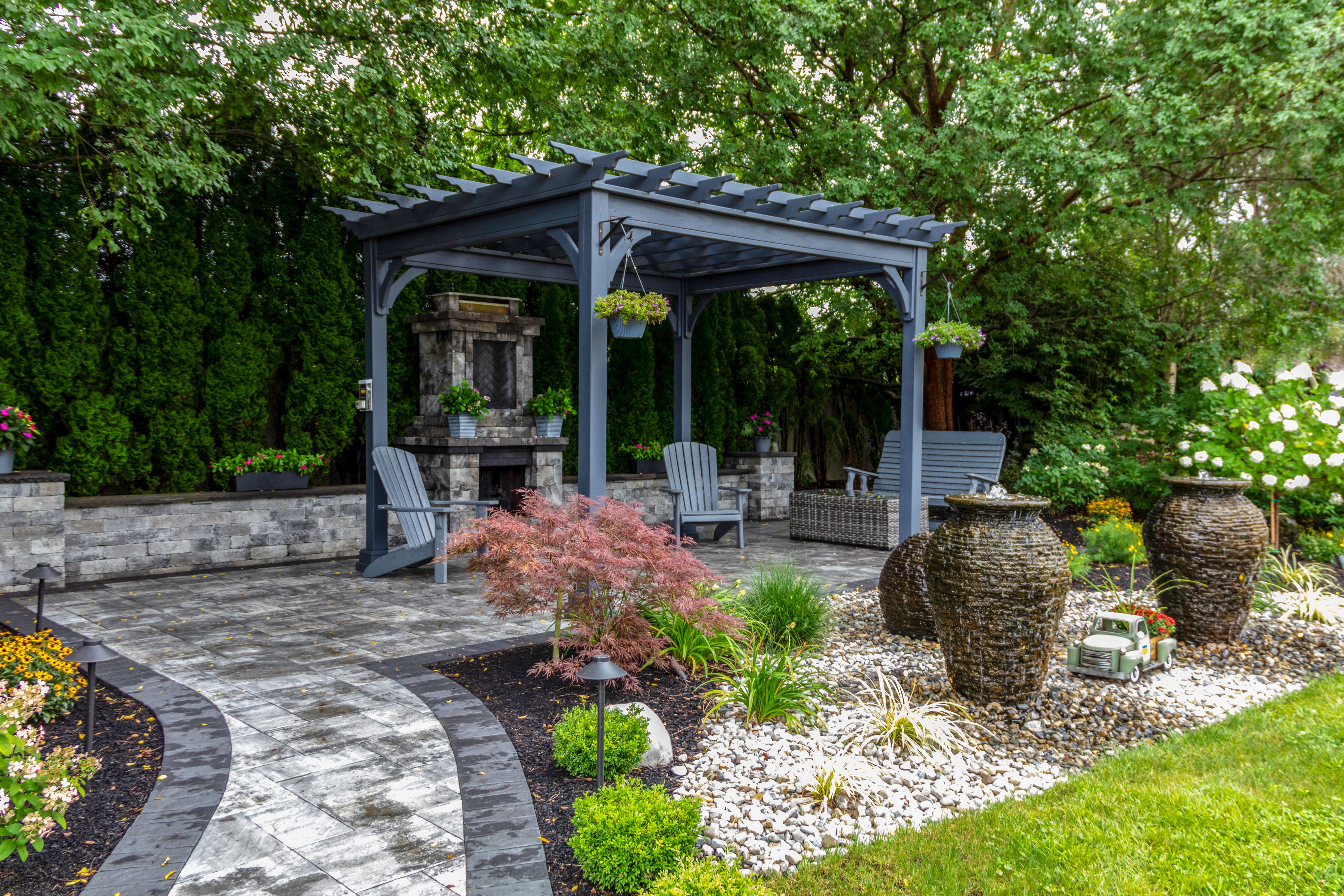
The success of a bio-swale largely depends on the vegetation used. Opt for native plants that thrive in your region's climate and soil conditions. These plants will not only stabilize the soil but also enhance the swale's filtration capabilities.
Consider a mix of grasses, shrubs, and flowering plants to create a diverse and resilient ecosystem. Native plants are also more likely to attract local wildlife, contributing to a thriving habitat.
Construction and Maintenance
Building a bio-swale can be a rewarding DIY project or you may choose to hire professionals for more complex installations. The construction involves excavating the swale, installing necessary drainage systems, and planting vegetation.
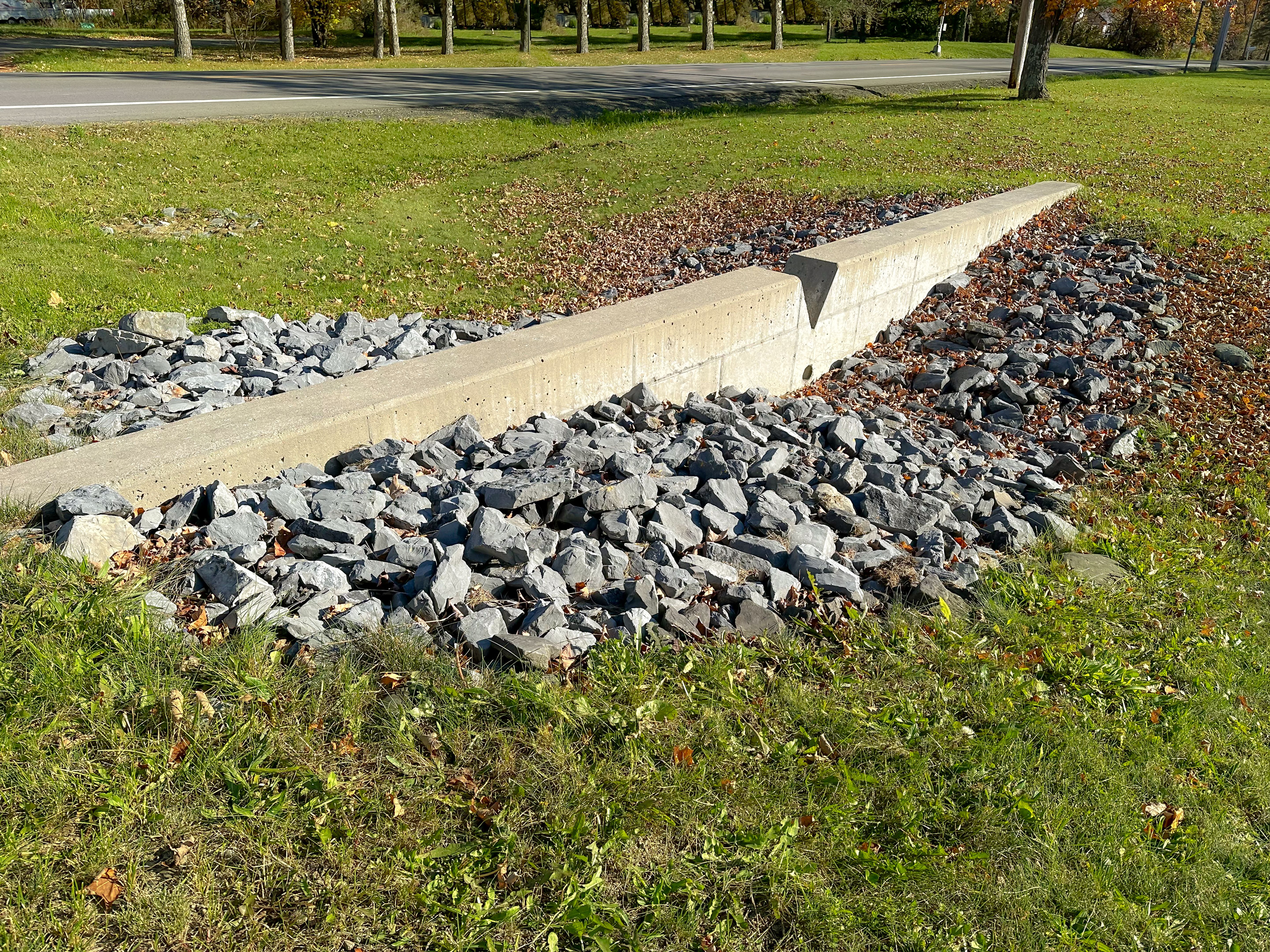
Regular maintenance is crucial to ensure the bio-swale functions effectively. This includes weeding, mulching, and occasional replanting. Monitoring the swale for erosion or blockages will help maintain its efficiency in managing stormwater.
Conclusion
Bio-swales offer a sustainable and aesthetically pleasing solution for managing stormwater on your property. By enhancing water quality, supporting local ecosystems, and adding visual appeal, bio-swales represent a smart investment in your home and the environment. Whether you're a DIY enthusiast or prefer professional assistance, a bio-swale project can significantly improve your landscape and contribute to a healthier planet.