Growing Interest in Home-Based Environmental Solutions: A Look at Bio-Swales


Understanding Bio-Swales
In recent years, there has been a growing interest in home-based environmental solutions. One such solution that is gaining traction is the integration of bio-swales into residential landscapes. But what exactly are bio-swales, and why are they becoming increasingly popular?
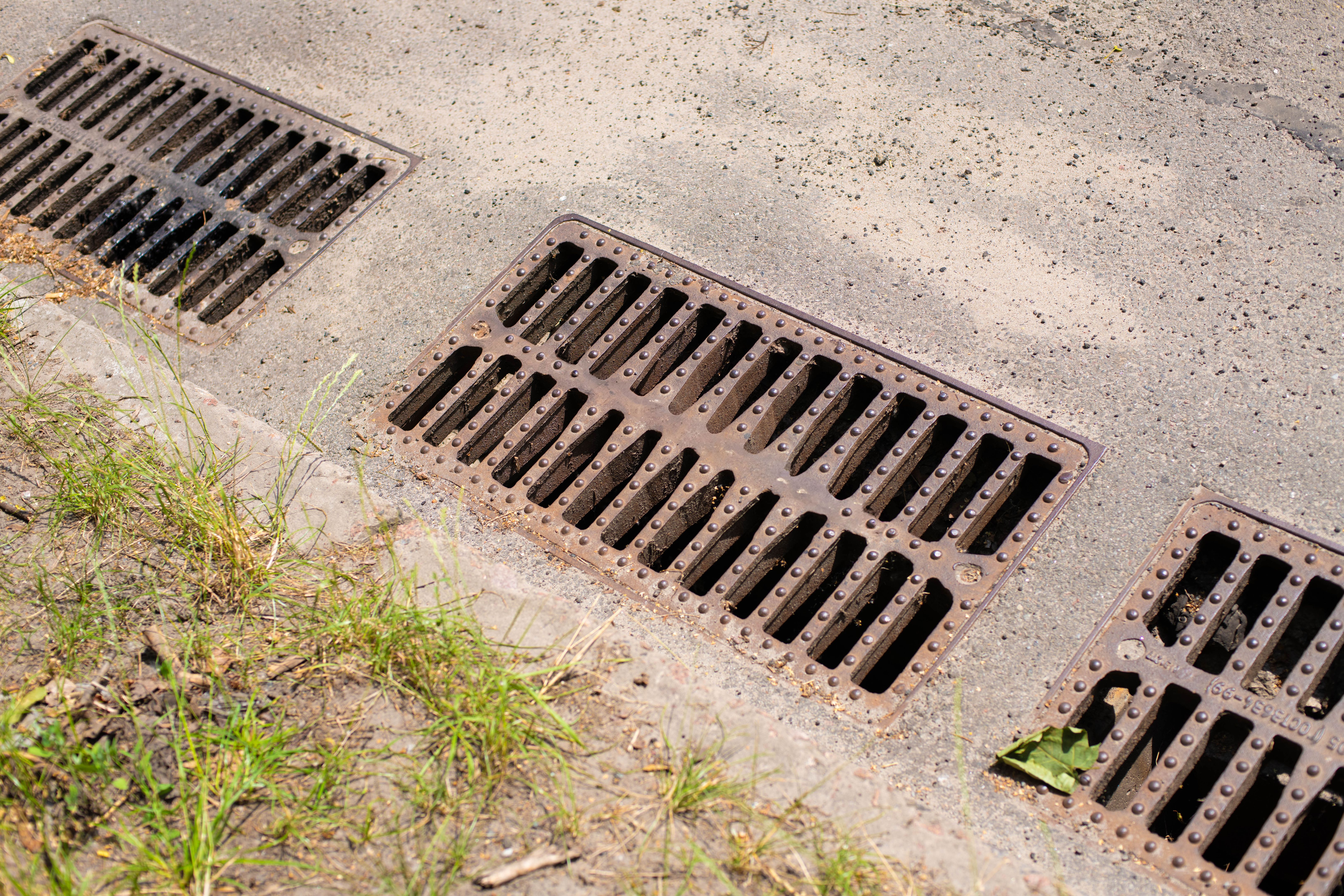
Bio-swales are landscape elements designed to manage water runoff. They are essentially shallow trenches filled with vegetation, compost, and rocks, which help filter and absorb rainwater. This not only prevents flooding but also purifies the water, making it an eco-friendly solution for homeowners.
The Benefits of Bio-Swales
Implementing bio-swales in your home landscape offers multiple benefits. First and foremost, they help in reducing water pollution. By filtering runoff water, bio-swales remove harmful pollutants before they reach natural water bodies.
In addition to environmental benefits, bio-swales can enhance the aesthetic appeal of your property. With a variety of plants and natural materials, they can be designed to complement any landscape style, adding both beauty and functionality.
Cost-Effective and Sustainable
Another compelling reason to consider bio-swales is their cost-effectiveness. Once established, they require minimal maintenance, reducing long-term landscaping costs. This makes them an attractive option for homeowners looking to invest in sustainable solutions.
Moreover, bio-swales contribute to groundwater recharge. By allowing water to seep into the ground, they replenish local aquifers, promoting a healthier ecosystem. This sustainable approach is vital as water scarcity becomes a more pressing global issue.

How to Implement Bio-Swales
Creating a bio-swale involves several steps. First, assess the slope and drainage patterns of your property. It's crucial to understand where water naturally flows to design an effective system. Next, select appropriate vegetation that can thrive in wet conditions and help filter pollutants.
Once the design is in place, excavation begins. The trench should be deep enough to capture runoff but not so deep that it becomes a safety hazard. Line the bottom with rocks and compost before planting the selected vegetation.
Maintenance Tips
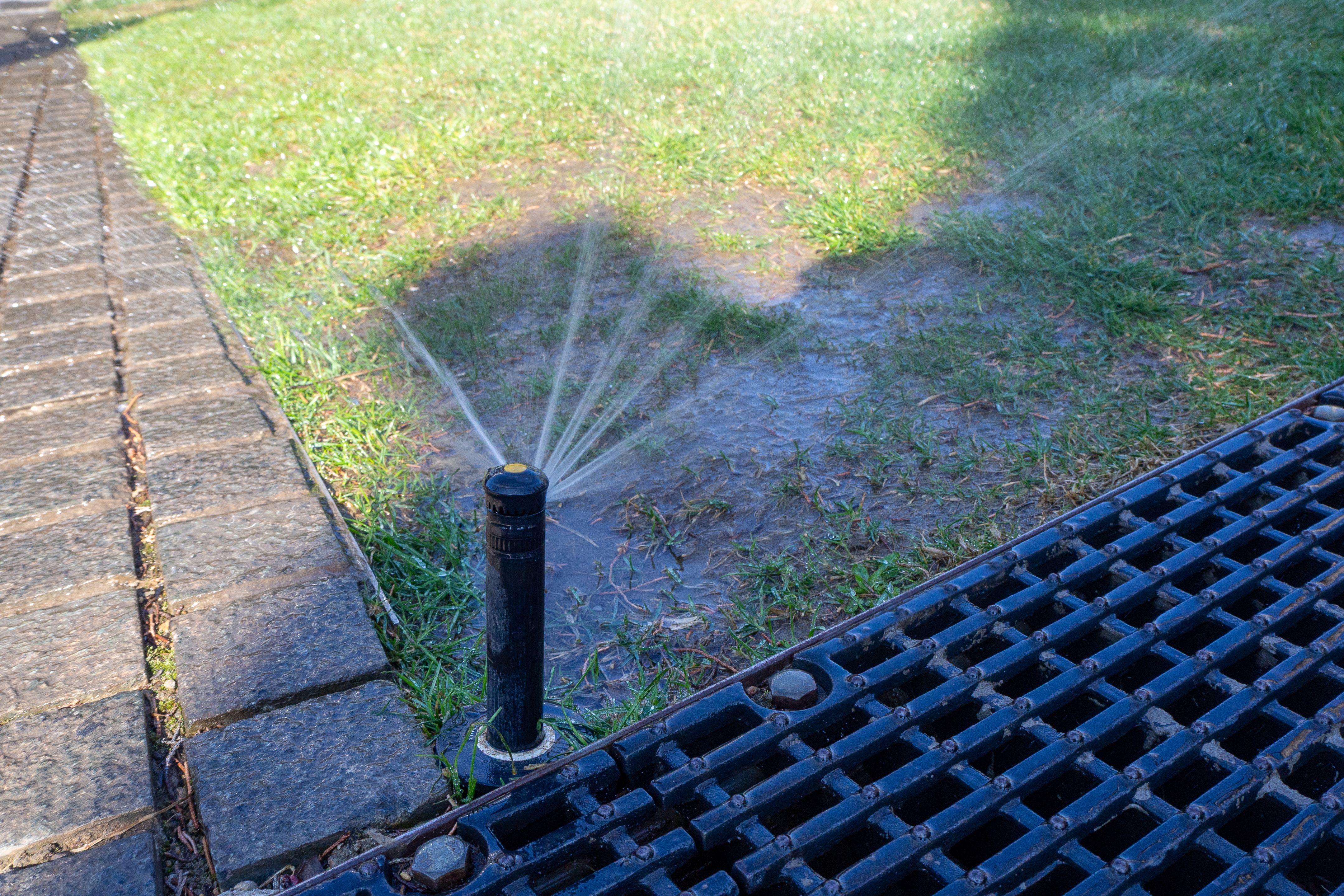
While bio-swales are low-maintenance, they do require occasional care to function optimally. Regularly check for debris that might block water flow and remove any dead vegetation. Pruning plants will also help maintain the system's efficiency.
The Future of Home-Based Environmental Solutions
As more homeowners become aware of the benefits of bio-swales, their popularity is expected to rise. They represent a shift towards more sustainable and environmentally conscious living, aligning well with global efforts to combat climate change.
In conclusion, bio-swales offer a practical, cost-effective, and aesthetically pleasing way to manage water runoff at home. By integrating these systems, homeowners can contribute to environmental conservation while enhancing their property's value.