Expert Tips for Designing Bio-Swale Projects with Maximum Environmental Benefits


Understanding Bio-Swales
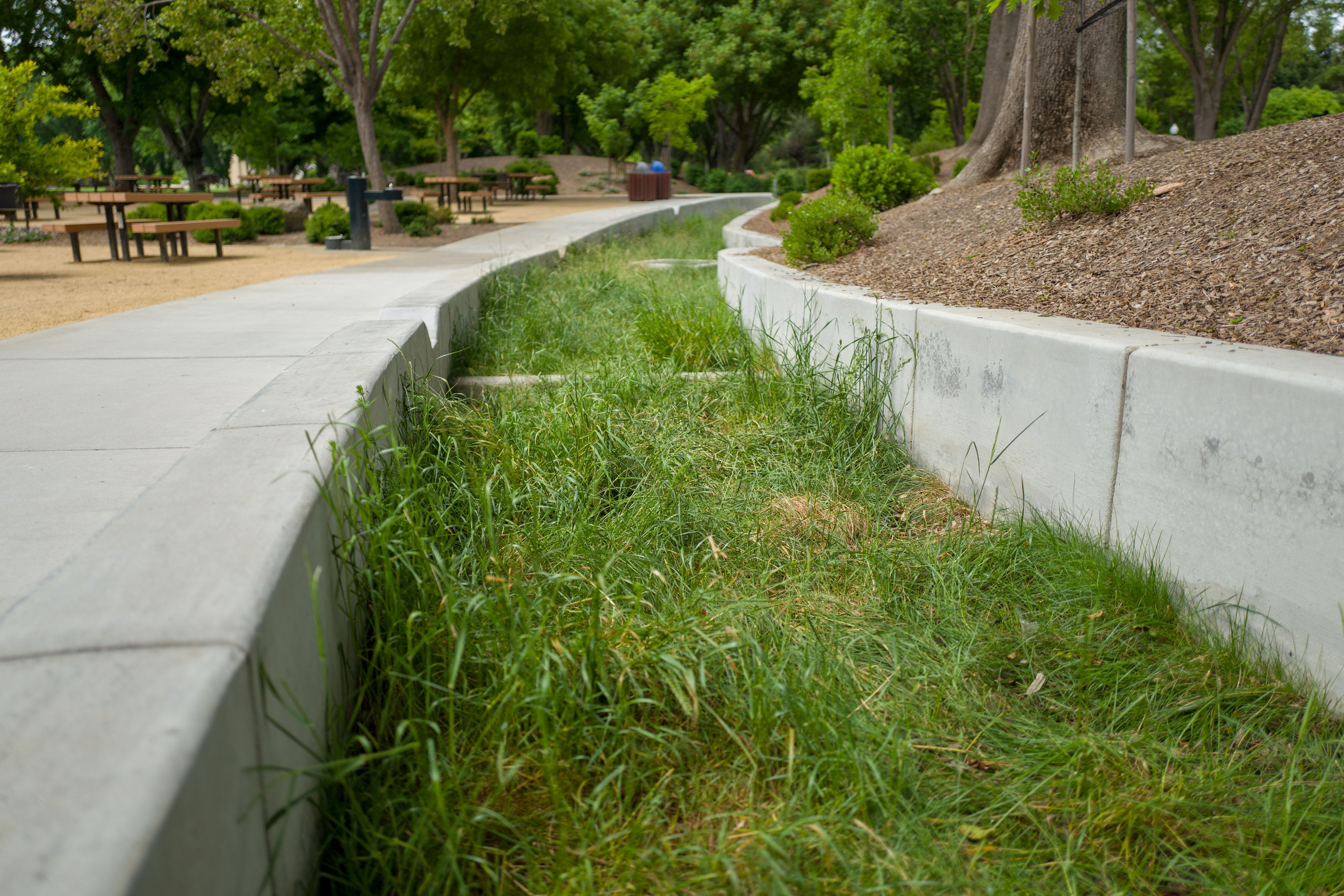
Bio-swales are an essential component in sustainable landscape design, offering a natural solution to manage stormwater runoff. These landscape elements are designed to filter, absorb, and slow down water flow, reducing the burden on urban drainage systems and preventing erosion.
The Environmental Benefits of Bio-Swales
Bio-swales not only manage water flow but also enhance biodiversity, improve water quality, and contribute to urban cooling. By incorporating native plants, these systems become habitats for local wildlife, supporting ecological balance in urban environments.
Another significant advantage is their ability to filter pollutants from runoff. As water percolates through the vegetation and soil, contaminants are trapped and broken down, resulting in cleaner water entering natural waterways.
Design Principles for Effective Bio-Swales
Designing an efficient bio-swale requires careful consideration of several factors. Start by analyzing the site’s topography to determine the best location for water collection and flow. The slope should be gentle, ideally between 1% and 5%, to ensure water moves slowly enough for effective filtration.
Selection of Vegetation
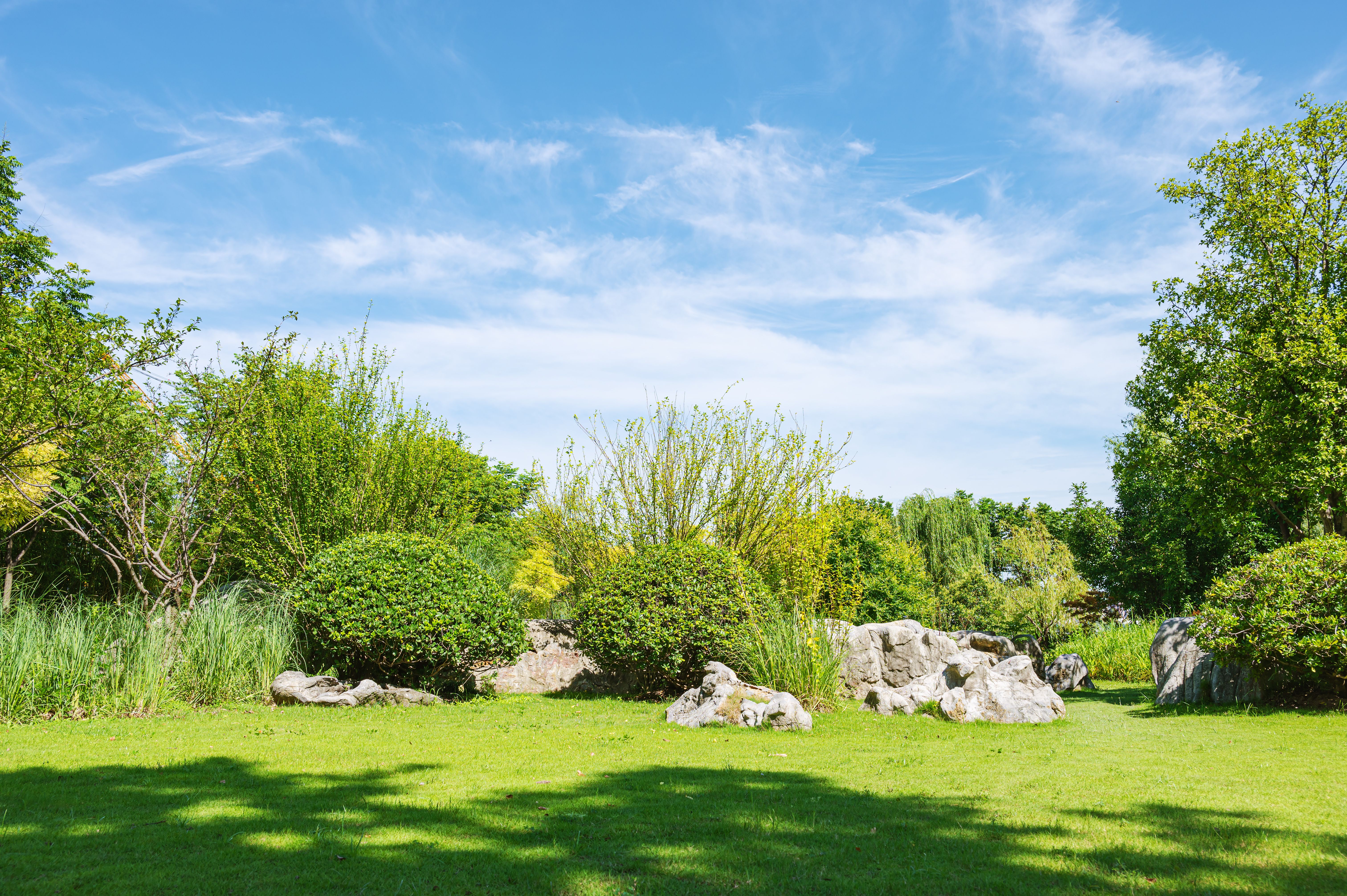
Choosing the right plants is crucial for the success of a bio-swale. Opt for native species that are well-adapted to local climate conditions and capable of withstanding both wet and dry periods. These plants should have deep root systems to aid in water absorption and soil stabilization.
Consider a mix of grasses, sedges, and flowering perennials to enhance the aesthetic appeal of the bio-swale while maximizing its environmental benefits.
Construction and Maintenance
Once the design plan is in place, construction can begin. Ensure that the bio-swale is excavated to the correct depth, with layers of gravel and soil to facilitate drainage and filtration. The installation of check dams can help slow water flow, increasing absorption time.

Ongoing Maintenance
Regular maintenance is essential to keep bio-swales functioning effectively. This includes periodic inspections to remove debris, control invasive species, and assess plant health. Maintaining a healthy plant community within the swale will ensure its long-term performance.
Monitoring and adjusting based on seasonal changes and weather patterns will help optimize the bio-swale’s function throughout the year.
Maximizing Environmental Impact
To maximize environmental benefits, integrate bio-swales into a broader stormwater management strategy. This can include permeable pavements, rain gardens, and green roofs to create a comprehensive approach to sustainable urban design.
Collaboration with environmental experts and local communities can further enhance the effectiveness of bio-swale projects, ensuring they meet both ecological and social needs.