Understanding Bio-Swales
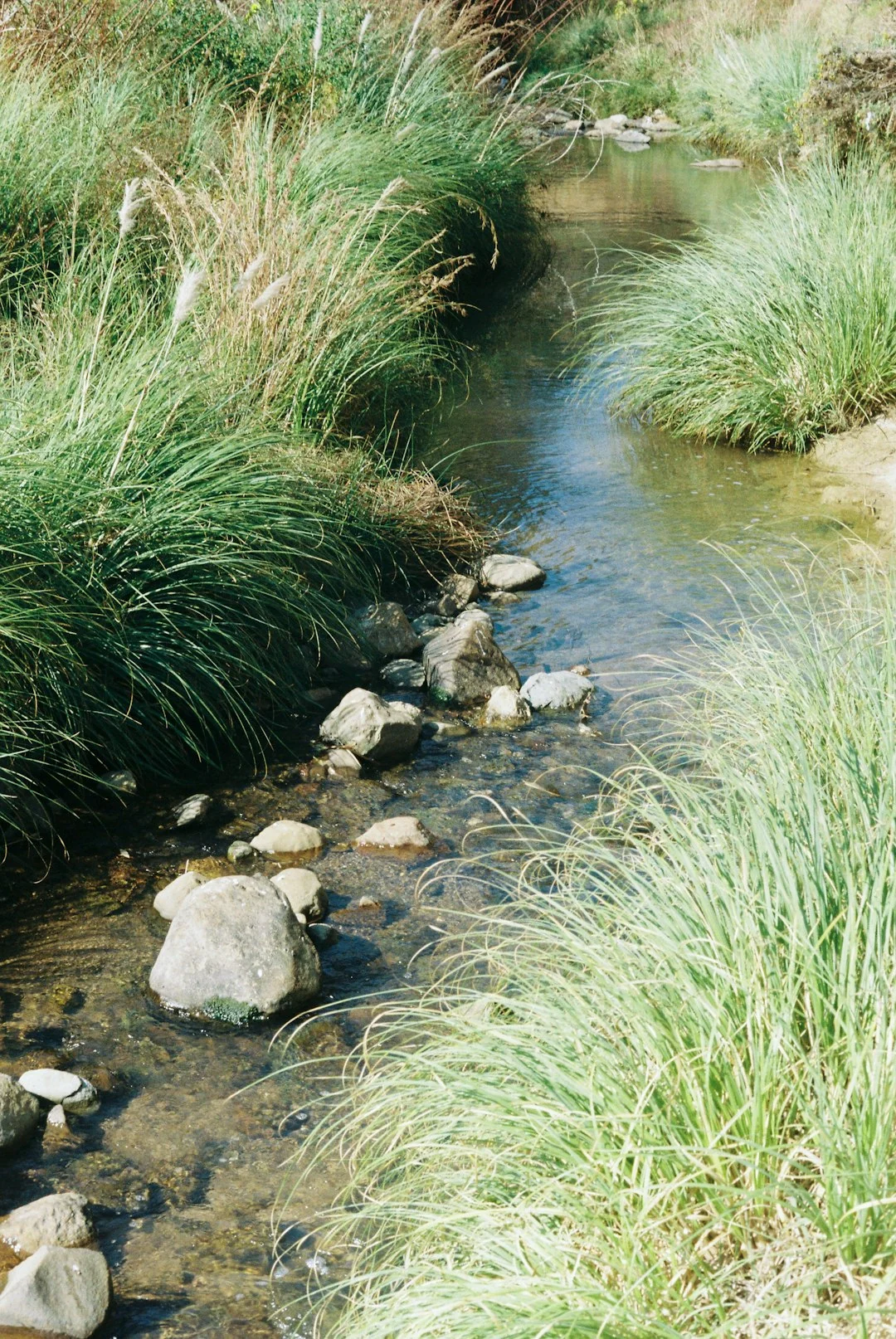
As homeowners become more conscious of environmental sustainability, bio-swales have emerged as an innovative solution for water management. These landscape elements are designed to capture and filter rainwater, reducing runoff and enhancing groundwater recharge. Incorporating bio-swales into your property not only helps the environment but also adds aesthetic appeal.
Bio-swales are essentially shallow, vegetated channels that slow down water flow. By integrating them into your landscape, you can effectively manage stormwater while preventing erosion and improving water quality. Understanding the basics of bio-swales can help you decide if this is a suitable project for your home.

Benefits of Implementing Bio-Swales
Bio-swales offer a multitude of benefits, both environmental and economical. One of the most significant advantages is their ability to reduce stormwater runoff. By absorbing and filtering rainwater, bio-swales help prevent flooding and minimize the strain on local drainage systems.
Additionally, bio-swales improve water quality by filtering out pollutants. As water passes through the vegetation and soil, contaminants are naturally removed. This process not only benefits the local ecosystem but also contributes to healthier groundwater supplies.
From an economic perspective, bio-swales can enhance property value by reducing the need for costly drainage infrastructure. They also offer potential savings on water bills by promoting groundwater recharge.
Designing Your Bio-Swale
When planning a bio-swale, it's crucial to consider the specific needs and conditions of your property. Start by assessing the natural slope of the land, as this will influence the design and placement of the bio-swale. Ideally, it should be positioned to capture maximum runoff while blending seamlessly with the existing landscape.
Choosing the right plants is another essential step. Native grasses and deep-rooted plants are excellent choices, as they are well-suited to the local climate and soil conditions. These plants will help filter water effectively and provide habitat for local wildlife.

Steps to Implement a Bio-Swale
Building a bio-swale involves several key steps:
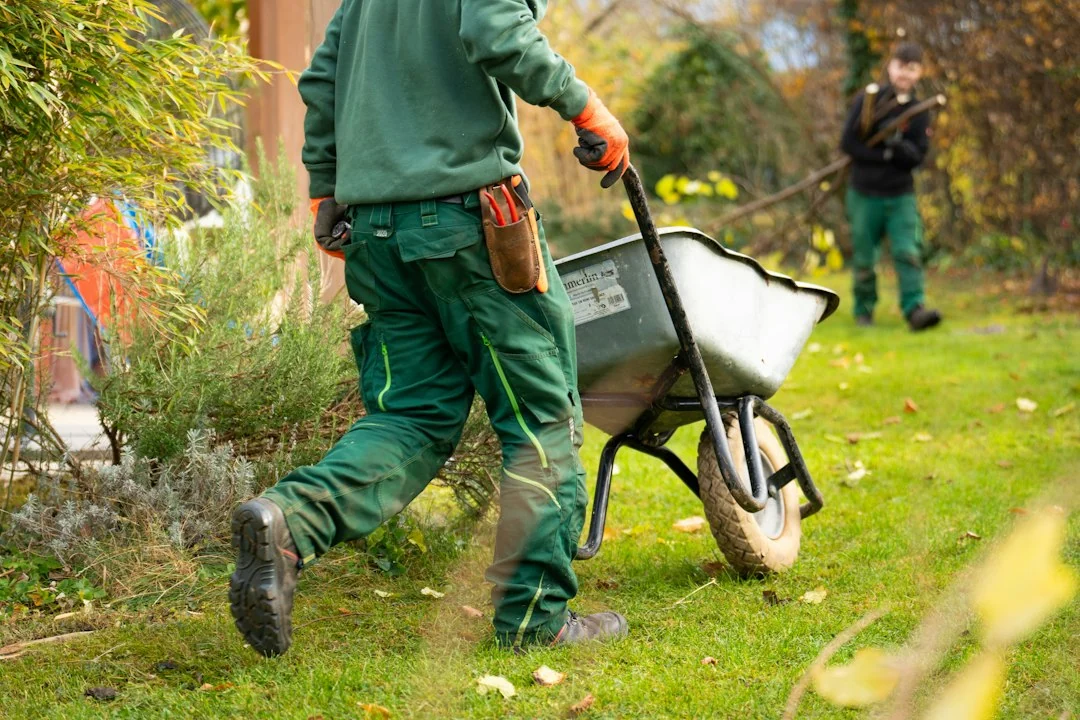
- Site Assessment: Evaluate your property's topography and drainage patterns to determine the best location for the bio-swale.
- Design and Planning: Create a detailed plan that includes dimensions, plant selection, and any necessary permits.
- Excavation: Dig the channel to the desired depth and shape, ensuring proper slope for effective water flow.
- Soil and Planting: Line the channel with a mix of gravel and soil, then plant your chosen vegetation.
- Maintenance: Regularly check and maintain the bio-swale to ensure optimal performance.
Maintaining Your Bio-Swale
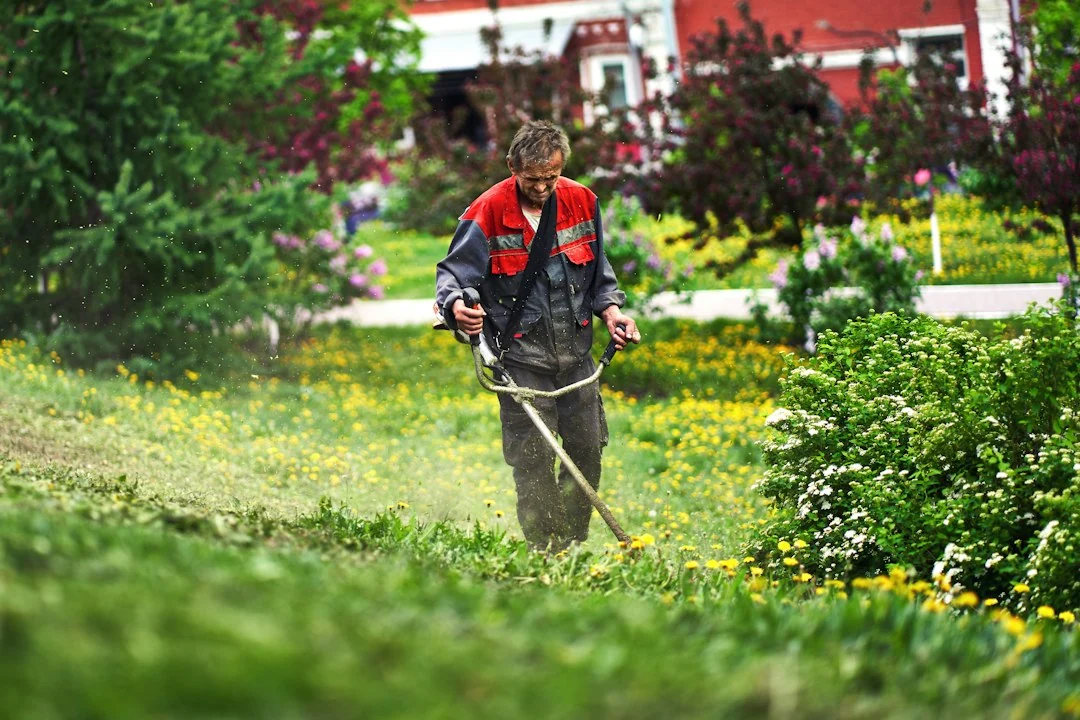
Regular maintenance is essential to keep your bio-swale functioning effectively. Periodically inspect the swale for debris, erosion, or plant overgrowth. Removing debris and trimming plants will help maintain water flow and filtration capabilities.
It's also important to monitor the health of the vegetation. Healthy plants are crucial for filtering pollutants and supporting local wildlife. Replace any dead or diseased plants promptly to ensure the bio-swale continues to perform optimally.
Conclusion
Implementing a bio-swale is a rewarding DIY project that offers numerous benefits to homeowners and the environment. By capturing and filtering rainwater, you can contribute to sustainable water management while enhancing the beauty and value of your property.
With careful planning and regular maintenance, a bio-swale can be an effective and attractive addition to your landscape. Whether you're interested in environmental conservation or simply want to improve drainage on your property, a bio-swale is a practical and impactful solution.
Part of the EcoGuardian journal. This article retains its original publication context; references to grants, regulations, research, and services may have changed since publication.