
Creating a bio-swale on your property is a fantastic way to manage stormwater, reduce erosion, and enhance the natural beauty of your landscape. This eco-friendly project can be a rewarding DIY endeavor for homeowners interested in sustainable living. In this guide, we'll walk you through the steps of building a bio-swale, from planning to execution.

Understanding Bio-Swales
Bio-swales are landscape elements designed to concentrate and convey stormwater runoff while removing debris and pollution. They are typically filled with vegetation, compost, and soil to slow down the flow of water, allowing it to infiltrate the ground naturally. This process not only prevents erosion but also filters pollutants, improving the quality of water that eventually reaches our waterways.
Benefits of a Bio-Swale
Beyond managing water, bio-swales offer numerous environmental benefits. They support biodiversity by creating habitats for wildlife, reduce the urban heat island effect, and can even increase property values by adding aesthetic appeal. Additionally, they are low-maintenance once established, requiring only occasional weeding and pruning.

Planning Your Bio-Swale
Before you start digging, it's crucial to plan your bio-swale carefully. Begin by assessing your property to identify the best location. Look for areas where water naturally collects or flows, such as low spots or along the edge of driveways. Ensure your bio-swale is positioned to direct water away from buildings and septic systems.
Design Considerations
Consider the length, width, and depth of your bio-swale based on the volume of stormwater it needs to manage. A typical bio-swale is about 3 to 12 feet wide and 6 to 18 inches deep. You may also want to incorporate curves into the design to slow water flow further and add visual interest.
Building Your Bio-Swale
Once your design is set, it's time to start building. Follow these basic steps:
- Mark the Area: Use stakes and string to outline the perimeter of your bio-swale.
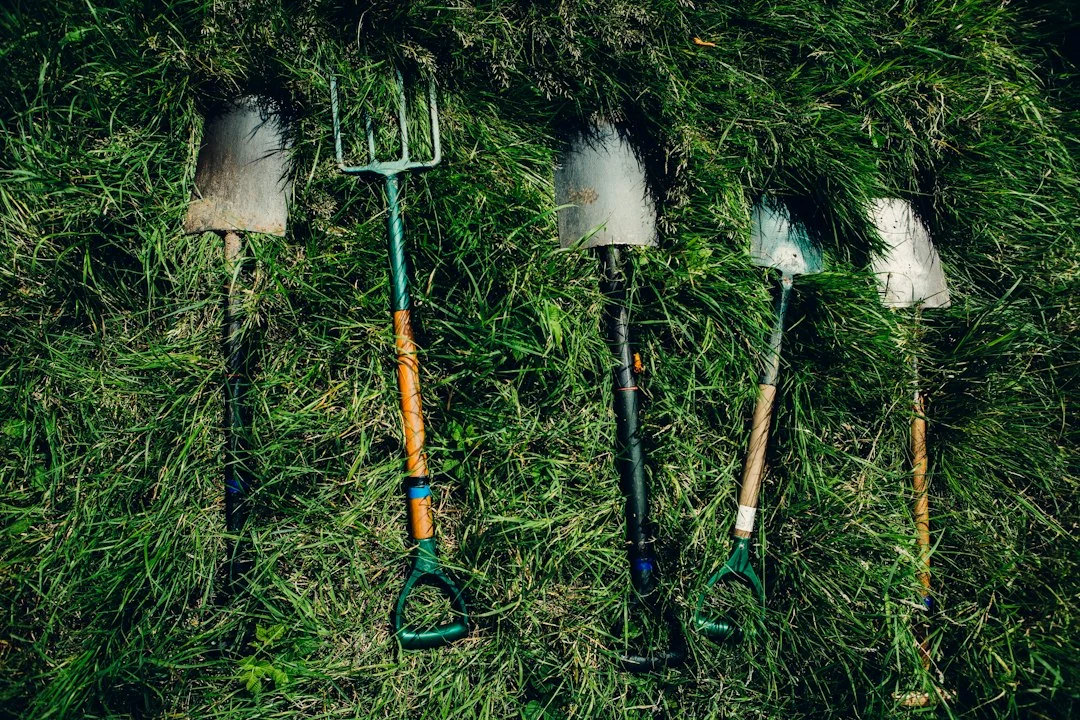
- Excavate: Dig out the area to the desired depth, creating a slope for water to flow into the swale.
- Add Layers: Line the bottom with gravel for drainage, then add a mix of soil and compost on top.
- Plant Vegetation: Choose native plants that are tolerant of both wet and dry conditions. These will help stabilize the soil and improve water filtration.
Maintenance Tips
Once constructed, maintaining your bio-swale is relatively simple. Regularly remove debris, check for erosion, and replant if necessary. Ensure that water flows smoothly without pooling excessively in any area. This will keep your bio-swale functioning effectively for years to come.

Conclusion
Building a bio-swale is a practical and environmentally friendly project that can enhance the sustainability of your property. By following these steps, you can create a beautiful and functional landscape feature that benefits both your home and the environment. Embrace the opportunity to make a positive impact and enjoy the natural beauty that a bio-swale brings to your yard.
Part of the EcoGuardian journal. This article retains its original publication context; references to grants, regulations, research, and services may have changed since publication.