Understanding Bio-Swales
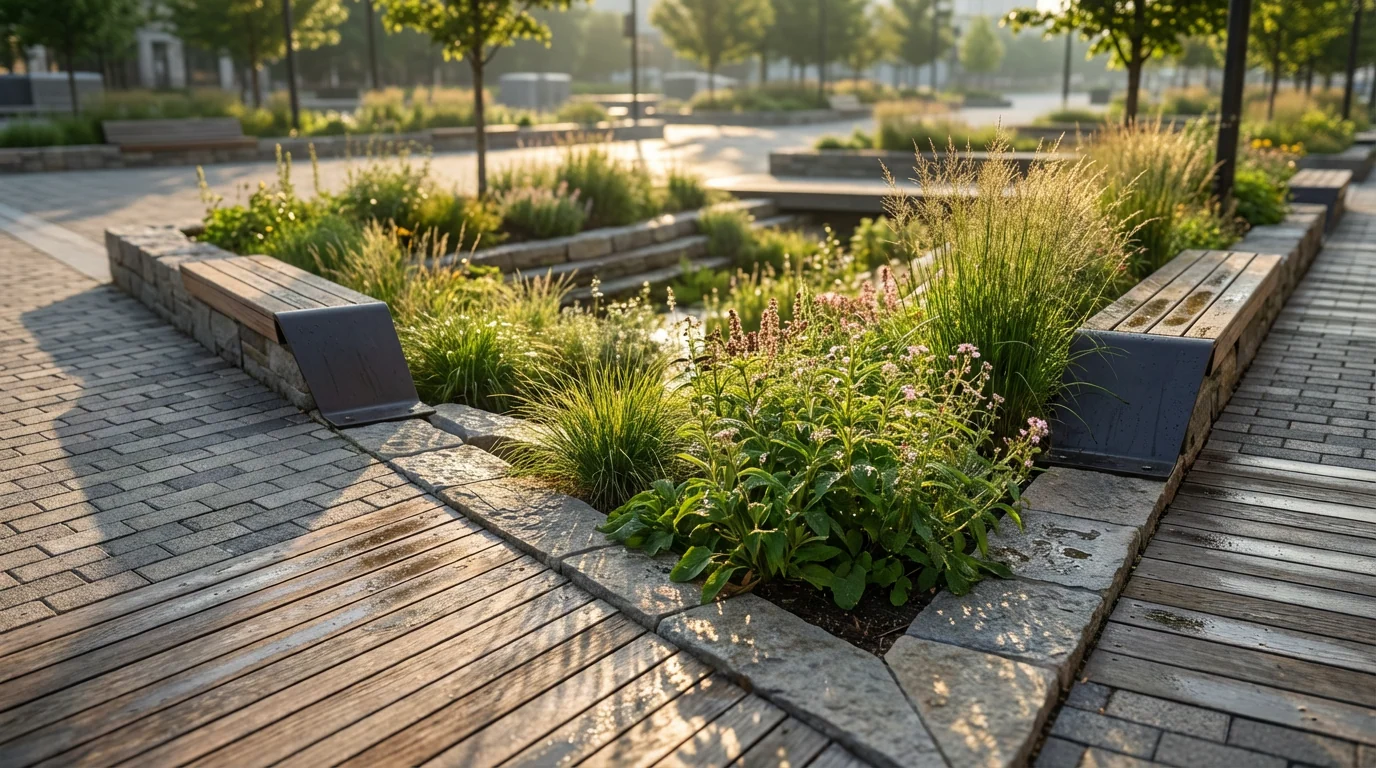
Bio-swales are an innovative and eco-friendly solution for managing stormwater runoff in your landscape. They are gently sloped trenches filled with vegetation, compost, and rocks, designed to filter pollutants and slow down water flow. By incorporating bio-swales into your landscape, you can reduce erosion, improve water quality, and enhance the aesthetic appeal of your garden.
Benefits of Bio-Swales
Bio-swales offer numerous benefits beyond just stormwater management. They help recharge groundwater, support local wildlife, and can even reduce the heat island effect in urban areas. Additionally, bio-swales can be a beautiful addition to your garden, with opportunities to incorporate native plants and create a thriving ecosystem.
Planning Your Bio-Swale
Before you start digging, it's essential to plan your bio-swale carefully. Consider the natural slope of your property, the typical amount of rainfall, and the type of soil you have. A well-planned bio-swale will effectively manage water while enhancing the overall landscape.
Choosing the Right Plants
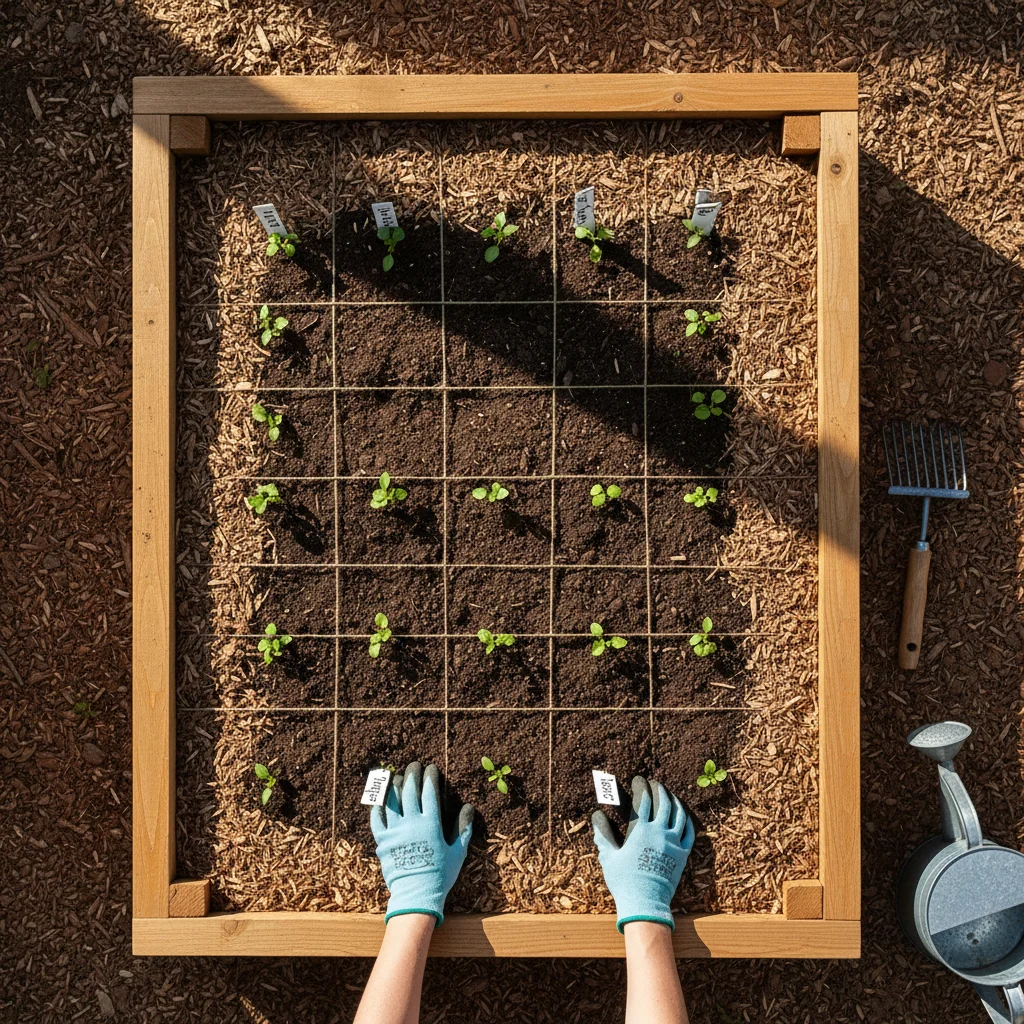
Selecting the right plants is crucial for an effective bio-swale. Opt for native species that are well-suited to your climate and soil type. These plants will require less maintenance and be more resilient to local pests and diseases. Consider incorporating a mix of grasses, shrubs, and wildflowers to create a diverse and visually appealing swale.
Building Your Bio-Swale
Start by marking out the area for your bio-swale and digging a shallow trench. The depth and width will depend on the amount of runoff you expect. Line the trench with a layer of gravel or rocks to aid drainage, then add a mixture of compost and soil. Finally, plant your chosen vegetation, ensuring the roots are well-covered.
Maintaining Your Eco-Friendly Landscape
Once your bio-swale is established, regular maintenance is key to keeping it functioning effectively. Remove debris and invasive plants, and monitor the health of your chosen vegetation. During dry spells, occasional watering may be necessary to sustain plant growth.
Additional Tips for Eco-Friendly Landscaping
To further enhance your eco-friendly landscape, consider adding other sustainable features such as rain gardens, permeable pathways, and native plant borders. These elements work in harmony with bio-swales to create a resilient and beautiful outdoor space.
By following these DIY tips, you can create an eco-friendly landscape that not only benefits the environment but also adds value and beauty to your home. Embrace the opportunity to make a positive impact on your local ecosystem, one garden at a time.
Part of the EcoGuardian journal. This article retains its original publication context; references to grants, regulations, research, and services may have changed since publication.