Introduction to Bio-Swales
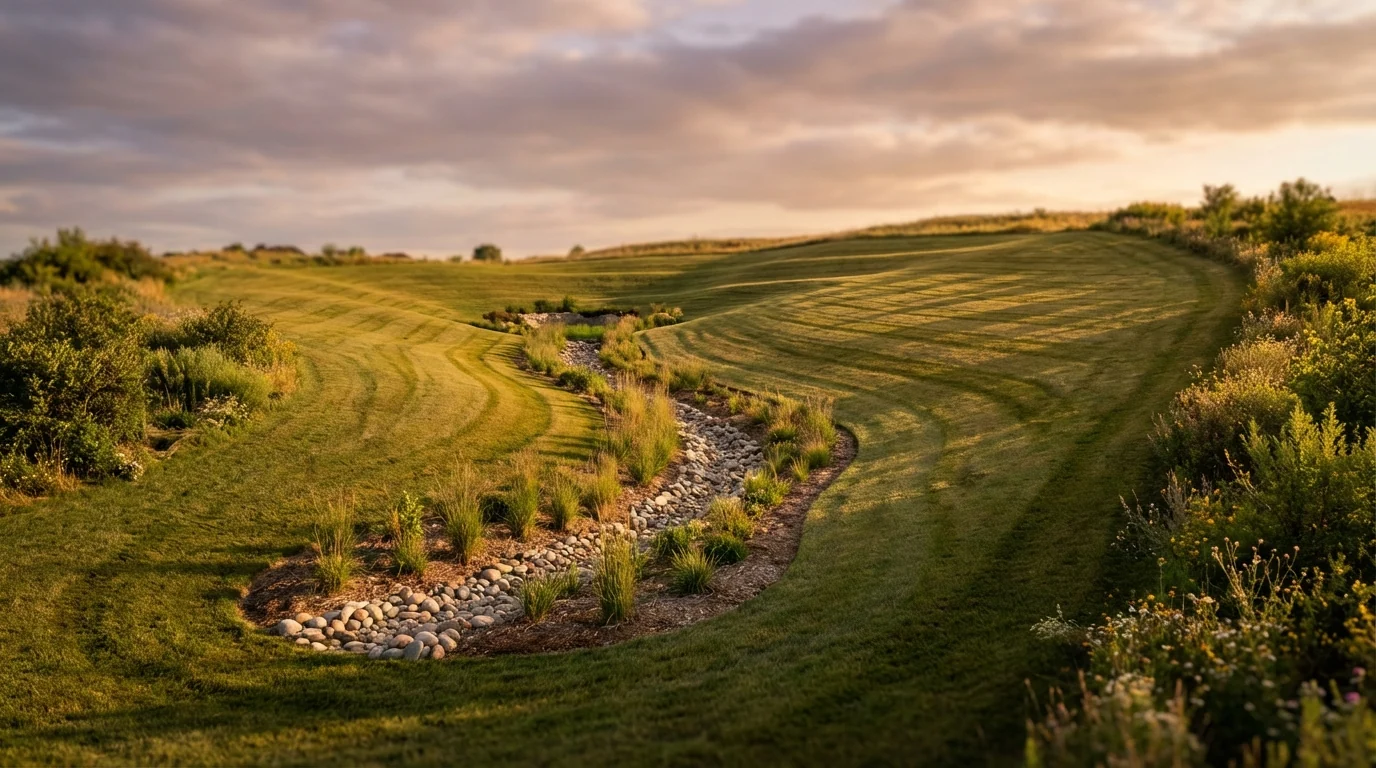
Bio-swales are an innovative and eco-friendly way to manage stormwater runoff in your own backyard. These landscaped features help filter pollutants, reduce erosion, and improve water infiltration. Creating a bio-swale not only enhances the aesthetic appeal of your property, but it also contributes positively to the environment.
Planning Your Bio-Swale
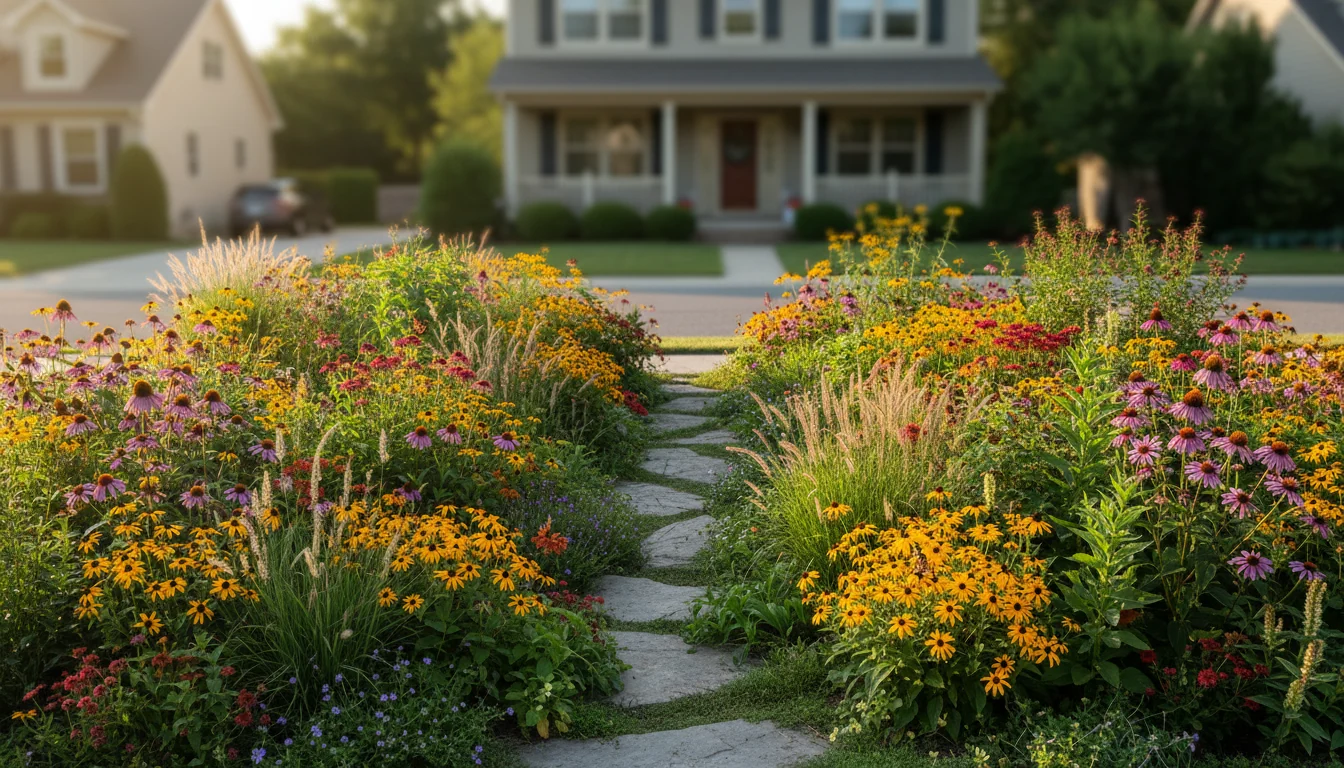
Before you begin, it's important to plan your bio-swale carefully. Consider the topography of your yard, the typical flow of rainwater, and the location where water collects. Identifying these factors will help you choose the best place for your project.
Consult with local authorities to ensure compliance with zoning laws and environmental regulations. Additionally, consider the types of plants that will thrive in your climate and soil conditions.
Choosing the Right Location
The ideal location for a bio-swale is a natural depression where water naturally flows. Avoid areas with existing structures or utilities. The swale should direct runoff away from buildings while allowing water to percolate into the ground.
Materials and Tools Needed
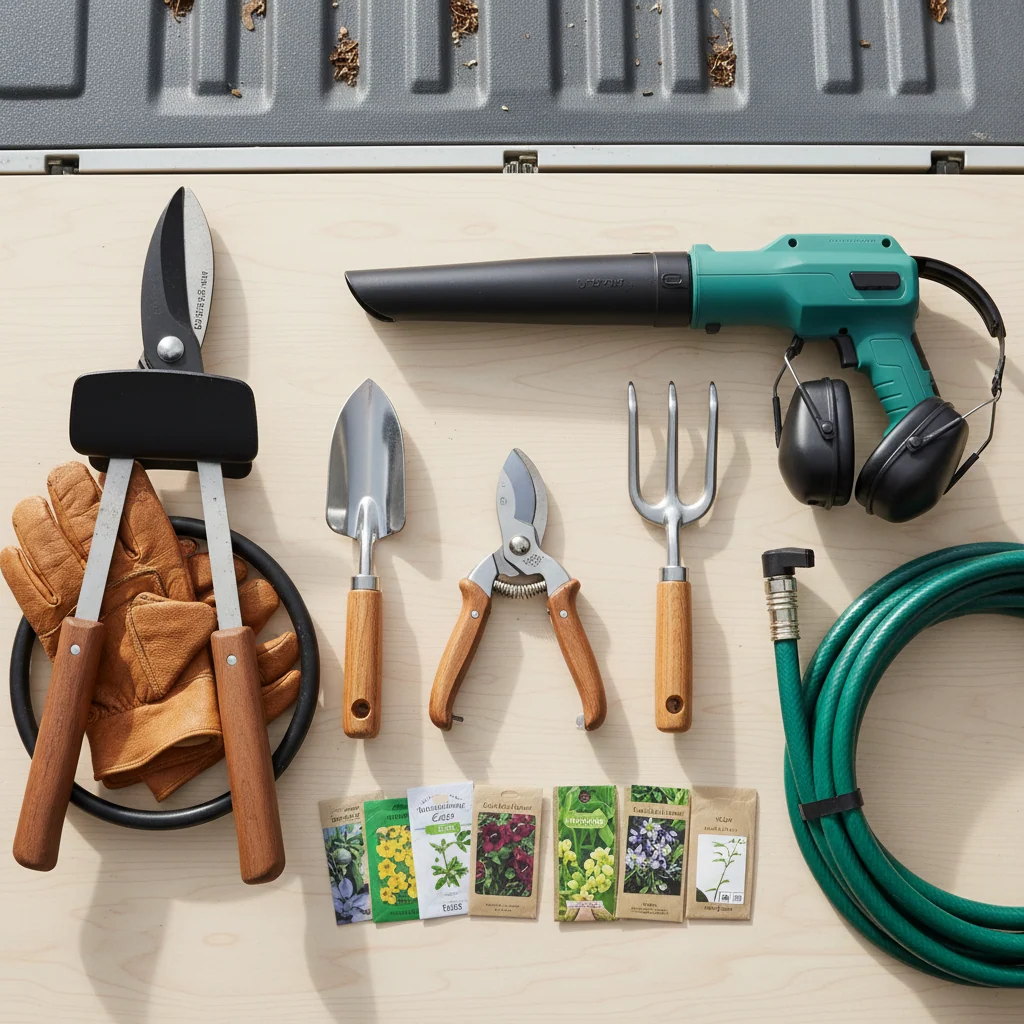
Assembling the right materials and tools is crucial for a successful project. Here's what you'll need:
- Shovels and rakes
- Compost and mulch
- Gravel and rocks
- Native plants
Excavating the Swale
Begin by digging a shallow trench along the natural path of water flow. The depth and width depend on the volume of water you expect to manage. Typically, a depth of 6 to 12 inches is sufficient for most residential projects.
Sloping the sides gently will help stabilize the soil and prevent erosion. Remember to create a slight gradient along the length of the swale to facilitate water movement.
Layering and Planting
Once the trench is ready, layer the bottom with gravel to improve drainage. Cover the gravel with a mix of compost and soil to support plant growth. At this point, you can begin planting native vegetation.
Choosing Plants
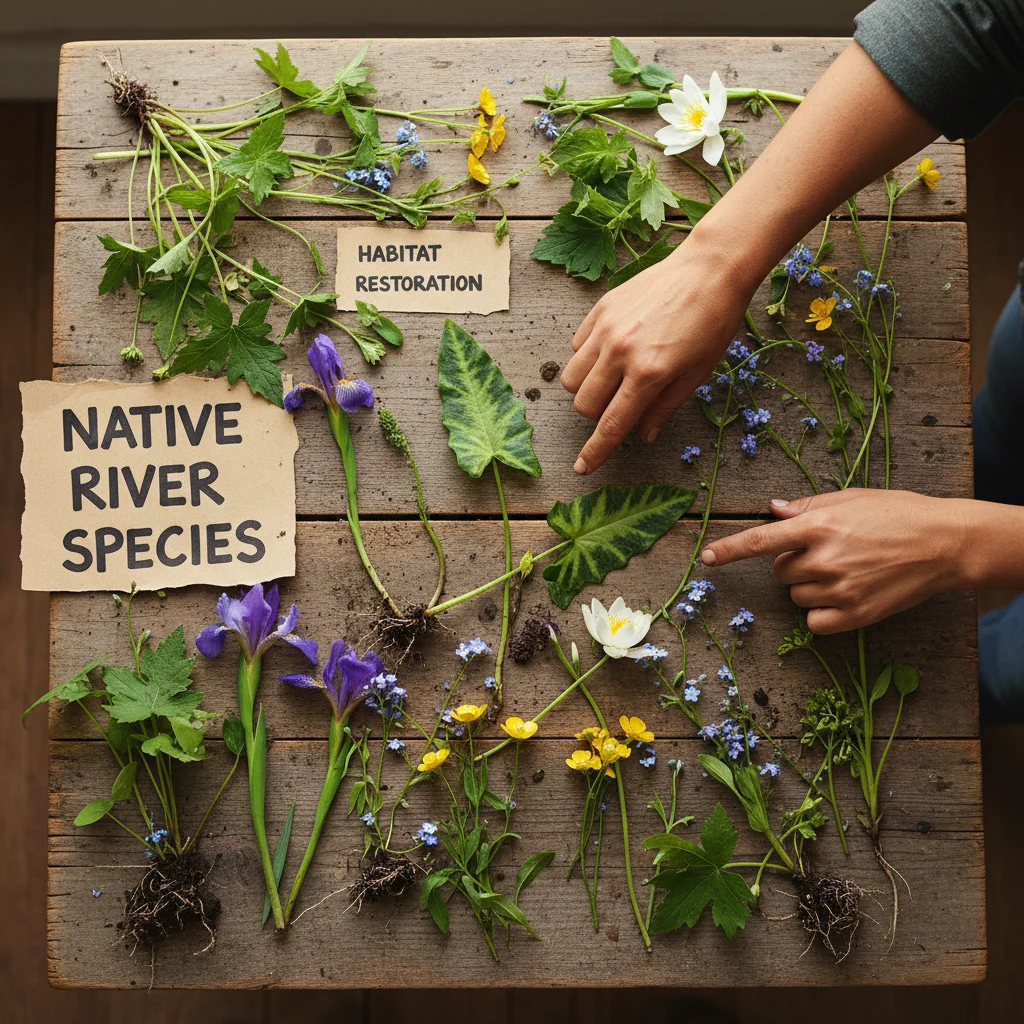
Select plants that are drought-tolerant and have deep root systems. These characteristics will help absorb water and stabilize the soil. Grasses, sedges, and wildflowers are excellent choices for bio-swales.
Maintenance Tips
Regular maintenance ensures the longevity and effectiveness of your bio-swale. Periodically remove debris and weeds to prevent blockages. Check for signs of erosion or sediment buildup, and address any issues promptly.
Mulching around plants can help retain moisture and suppress weeds, reducing the need for frequent maintenance.
Conclusion
Creating a DIY bio-swale is a rewarding project that benefits both your property and the environment. With careful planning and regular upkeep, your bio-swale will effectively manage runoff and enhance your landscape for years to come.
Part of the EcoGuardian journal. This article retains its original publication context; references to grants, regulations, research, and services may have changed since publication.