
Understanding Bio-Swales: An Introduction
Bio-swales are an essential component of sustainable urban design, yet misconceptions about their function and benefits abound. These landscape elements are designed to manage stormwater runoff, improve water quality, and enhance urban aesthetics. However, a lack of understanding can lead to skepticism and underutilization.
In this article, we'll debunk some common myths surrounding bio-swales and highlight their true impact on urban environments.

Myth 1: Bio-Swales Are Just Ditches
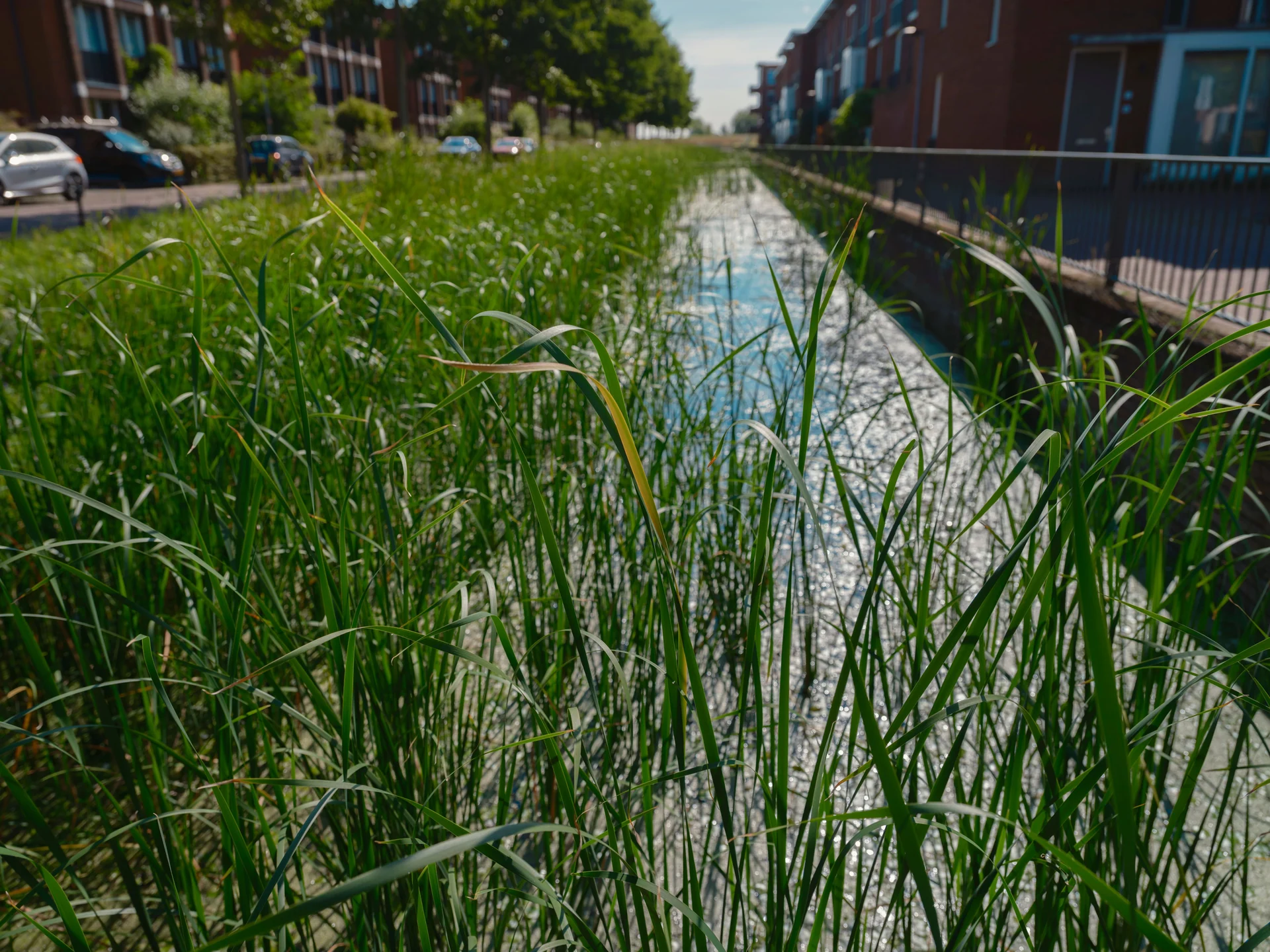
A prevalent myth is that bio-swales are nothing more than glorified ditches. In reality, they are sophisticated systems engineered to perform multiple functions. Unlike simple ditches, bio-swales are designed with layers of soil, gravel, and vegetation that work together to filter pollutants from runoff water.
These layers slow down water flow, allowing for natural infiltration and filtration processes to occur. This leads to cleaner water entering local waterways, which is crucial for maintaining aquatic ecosystems.
Myth 2: Bio-Swales Are Ineffective in Heavy Rainfall
Another misconception is that bio-swales cannot handle heavy rainfall. On the contrary, bio-swales are specifically designed to manage large volumes of water. Their strategic placement and design allow them to capture and divert runoff even during intense storms.
By integrating bio-swales into urban planning, cities can reduce the burden on traditional stormwater systems and mitigate the risk of flooding in vulnerable areas.
Myth 3: Bio-Swales Require High Maintenance
Some people believe that bio-swales demand excessive maintenance, making them impractical for widespread use. While they do require some upkeep, such as occasional weeding and sediment removal, the maintenance is generally minimal compared to traditional stormwater infrastructure.
Furthermore, the native plants used in bio-swales are selected for their resilience and low-maintenance nature, allowing them to thrive with little intervention.
The Environmental and Aesthetic Benefits
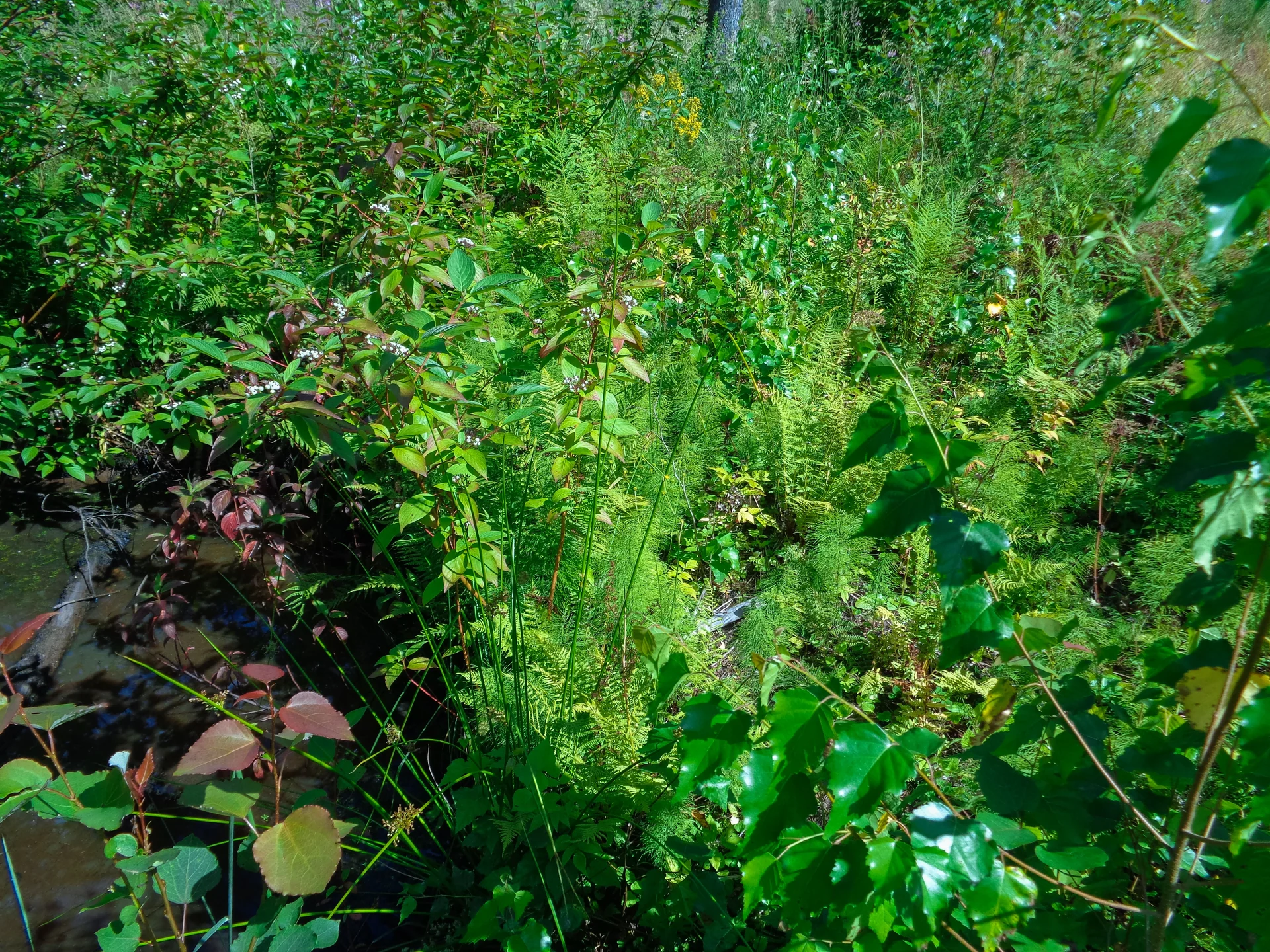
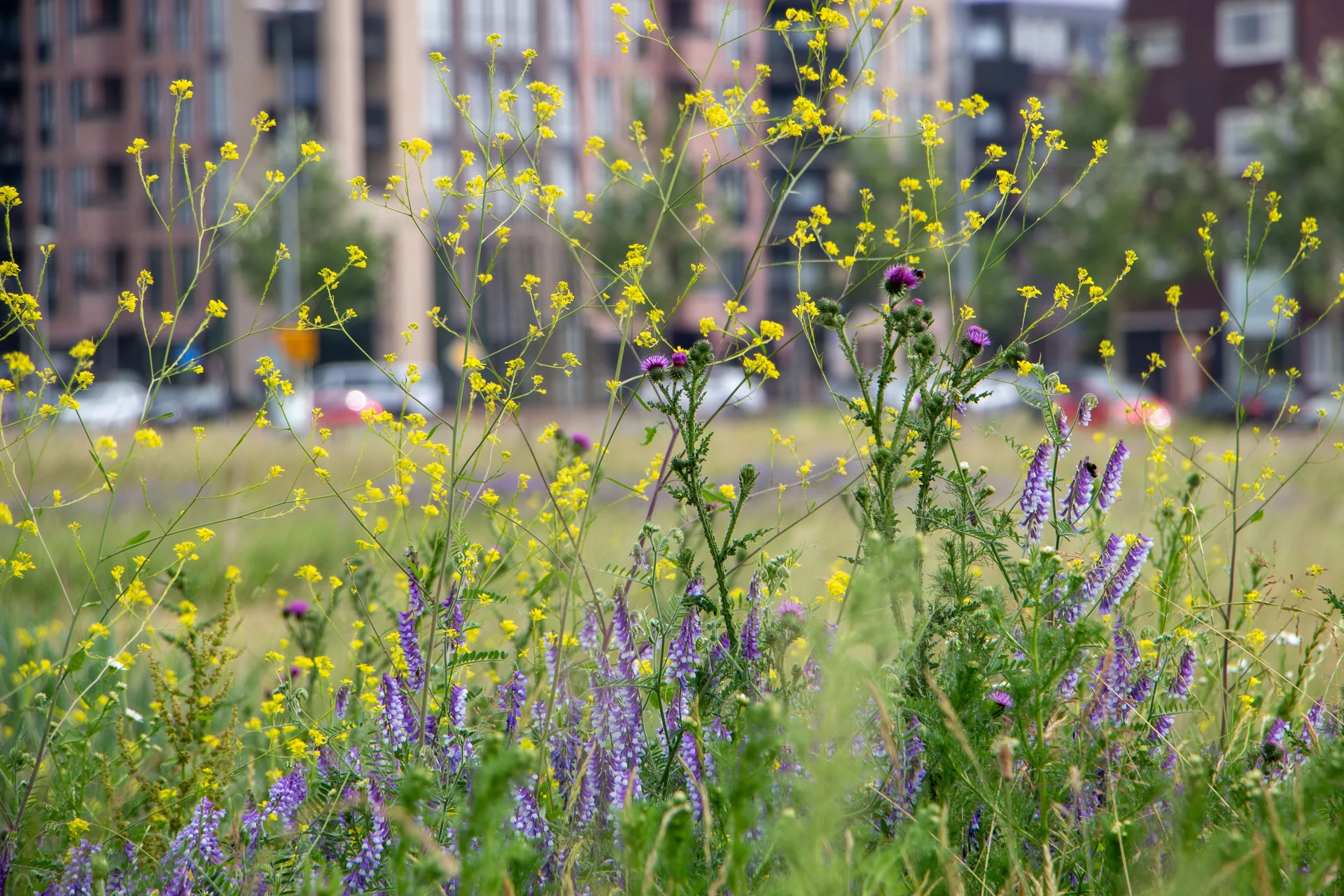
Beyond their practical functions, bio-swales offer significant environmental and aesthetic benefits. They provide habitats for local wildlife and contribute to urban biodiversity. Additionally, the greenery they introduce into urban areas can have a calming effect, enhancing the overall quality of life for residents.
Bio-swales also help reduce the urban heat island effect by absorbing sunlight and cooling the surrounding air. This contributes to a more pleasant and sustainable urban environment.
Conclusion: Embracing Bio-Swales for a Sustainable Future
Debunking these myths is crucial for fostering a greater understanding and appreciation of bio-swales. As cities continue to grapple with the challenges of climate change and urbanization, bio-swales offer a viable solution for sustainable stormwater management.
By integrating these innovative systems into urban planning, communities can enjoy cleaner water, reduced flooding, and enhanced urban landscapes. Embracing bio-swales can lead to a more sustainable and resilient future for cities worldwide.
Part of the EcoGuardian journal. This article retains its original publication context; references to grants, regulations, research, and services may have changed since publication.