Understanding Bio-Swales
Bio-swales are a crucial part of sustainable water management, yet they are often misunderstood. These landscape elements are designed to concentrate and convey stormwater runoff while removing debris and pollution. However, several myths surround their functionality and effectiveness.
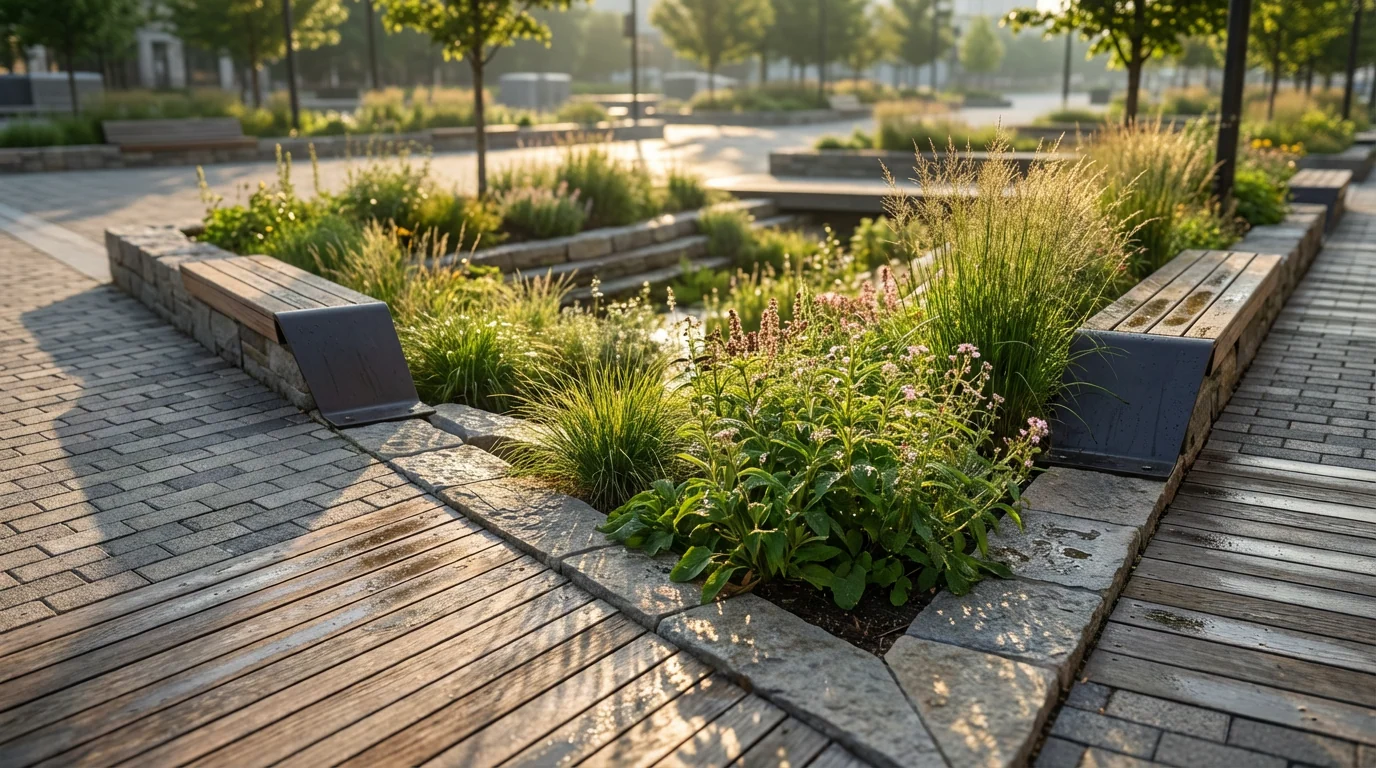
Myth 1: Bio-Swales Are Just Ditches
One common misconception is that bio-swales are merely ditches filled with plants. In reality, they are much more sophisticated. Bio-swales are engineered systems that incorporate soil, vegetation, and sometimes gravel to filter and treat stormwater. Their design ensures that water is slowed, filtered, and absorbed, reducing runoff and improving water quality.
Myth 2: Bio-Swales Are Ineffective in Urban Areas
Another myth is that bio-swales don't work well in urban settings. This is far from the truth. Bio-swales are designed to handle the unique challenges of urban stormwater management. They can be adapted to fit various spaces, making them versatile for use in cities where green space is limited. By integrating bio-swales into urban landscapes, cities can reduce flooding and support sustainable water management efforts.

The Benefits of Bio-Swales
Beyond their primary function of managing stormwater, bio-swales offer numerous environmental benefits. They help recharge groundwater, support biodiversity, and improve air quality by introducing more plant life into urban areas. These benefits contribute to a healthier ecosystem and a more sustainable urban environment.
Myth 3: Bio-Swales Require Extensive Maintenance
Some people believe that bio-swales demand significant upkeep. While maintenance is necessary, it's not as burdensome as assumed. Regular inspections, debris removal, and plant care are part of the routine, but these tasks are manageable. With proper design and planning, maintenance can be minimized, making bio-swales a practical solution for many communities.
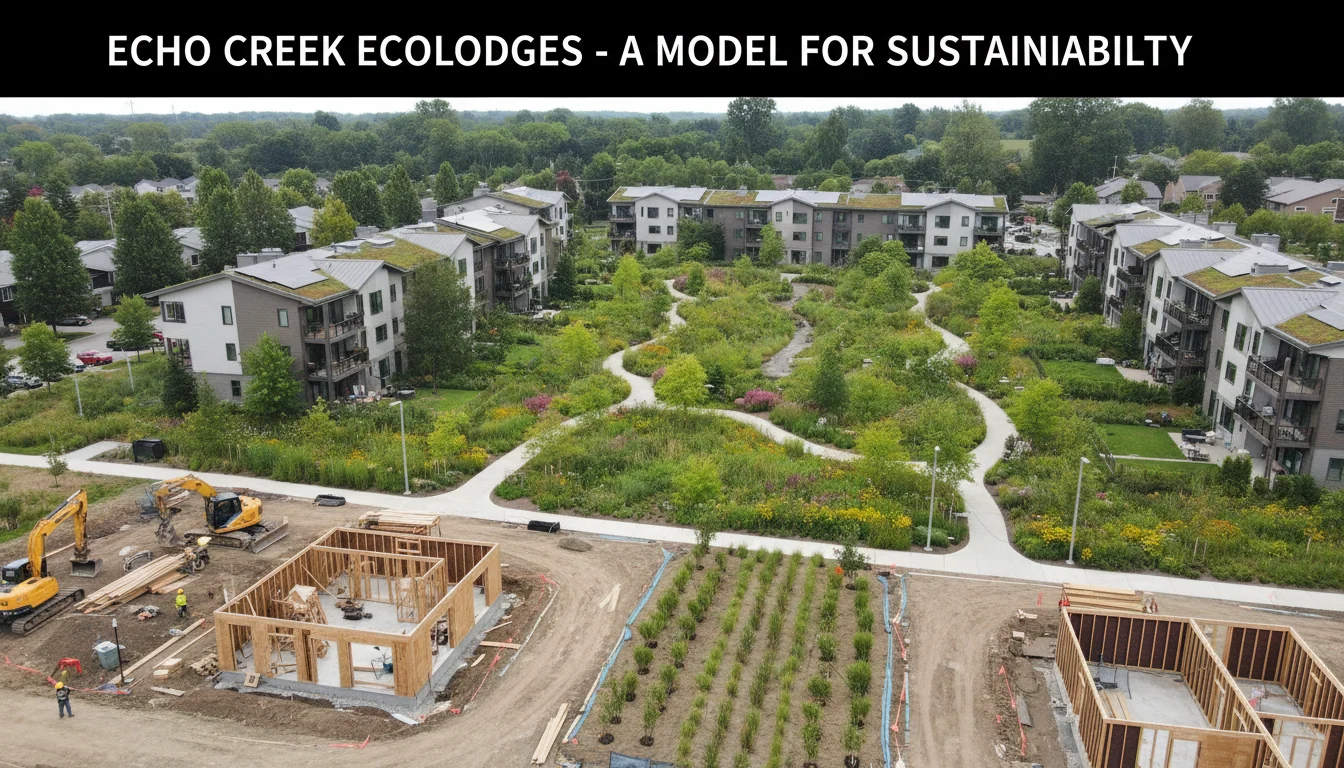
Implementing Bio-Swales Successfully
Successful implementation of bio-swales relies on understanding local conditions and needs. This includes considering factors such as soil type, climate, and the volume of stormwater expected. Engaging with experts in sustainable water management can ensure that bio-swales are designed and installed effectively, maximizing their benefits.
Myth 4: Bio-Swales Are Cost-Prohibitive
Cost is often cited as a barrier to implementing bio-swales. While there is an upfront investment, the long-term savings in reduced flood damage, improved water quality, and enhanced community aesthetics often outweigh the initial costs. Additionally, grants and incentives for sustainable projects can alleviate financial concerns for municipalities and developers.
Moving Forward with Bio-Swales
As we address the challenges of climate change and urbanization, bio-swales offer a promising solution for sustainable water management. By debunking these myths, we can appreciate the true value of bio-swales and their role in creating resilient, eco-friendly communities.
Part of the EcoGuardian journal. This article retains its original publication context; references to grants, regulations, research, and services may have changed since publication.