Understanding Bio-Swales
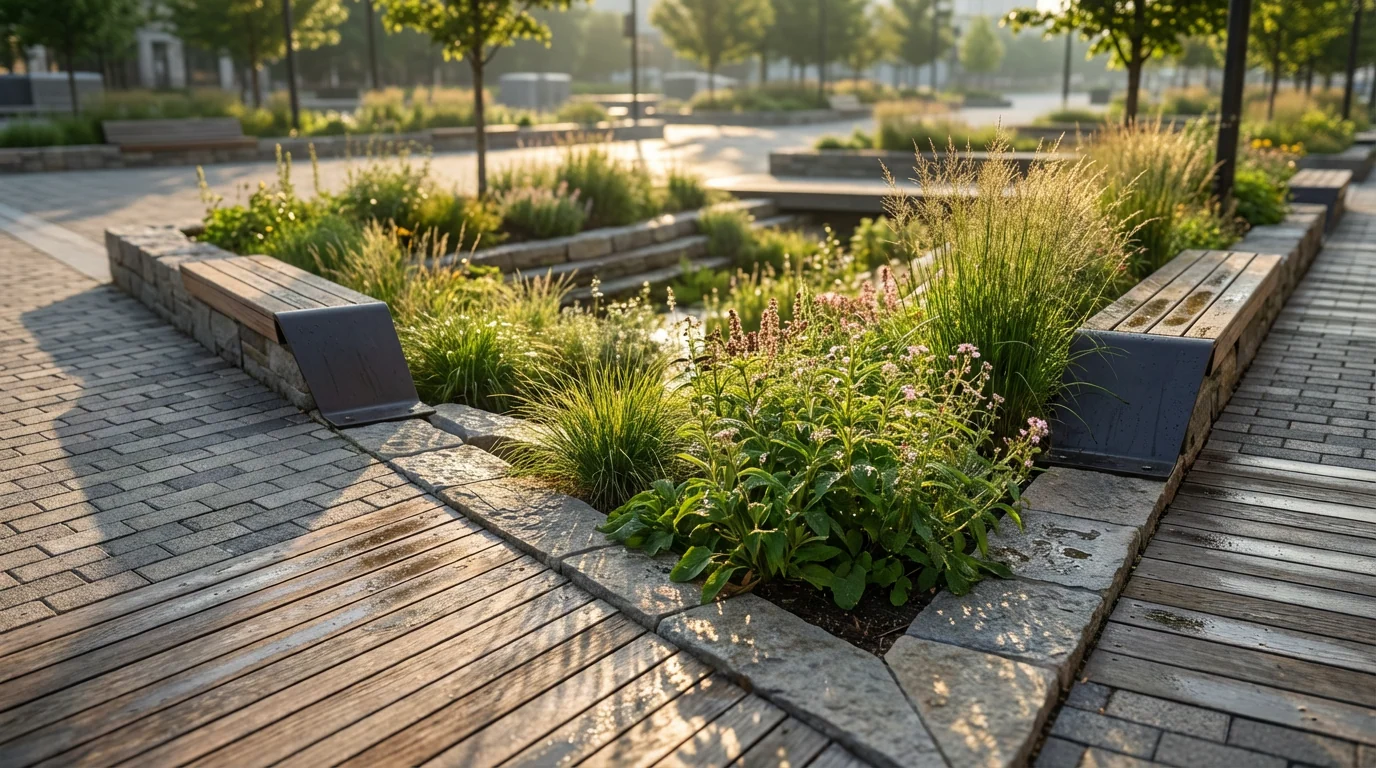
Bio-swales are a sustainable landscape feature designed to manage stormwater runoff. They are essentially shallow, vegetated channels that slow, capture, and filter rainwater. By integrating a bio-swale into your landscape, you can contribute to improved water quality, reduced erosion, and enhanced local biodiversity.
Benefits of Bio-Swales
Implementing a bio-swale offers numerous environmental benefits. These systems help reduce flooding by channeling excess water, while also filtering pollutants from runoff before it reaches local water bodies. Moreover, bio-swales can enhance the aesthetic appeal of your property, providing a habitat for native plants and wildlife.
In Walton County, where rainfall can be abundant, bio-swales are particularly beneficial for stormwater management. They can be a key component in sustainable urban planning, contributing to the health of local ecosystems.
Planning Your Bio-Swale Project
Before starting your bio-swale project, it's crucial to conduct a site assessment. Identify areas on your property that experience the most runoff, and determine the best location for your bio-swale. Consider factors such as soil type, slope, and existing vegetation.

Selecting Plants for Your Bio-Swale
Choosing the right plants is essential for a successful bio-swale. Opt for native species that are well-suited to wet conditions. These plants will help absorb water and filter pollutants effectively. Some popular choices include sedges, rushes, and native grasses.
Design and Construction
Once you have a plan in place, it's time to design and construct your bio-swale. The design should include a gentle slope to facilitate water flow and a diverse mix of vegetation for optimal filtration. You may need to consult with a landscape architect or engineer to ensure proper design and functionality.

Maintenance of Your Bio-Swale
Regular maintenance is important to keep your bio-swale functioning effectively. This includes removing debris, controlling invasive species, and ensuring that plants are healthy. Proper maintenance will prolong the life of your bio-swale and enhance its environmental benefits.
Community and Environmental Impact
Bio-swales not only benefit individual properties but also have a positive impact on the broader community. By reducing runoff and improving water quality, they contribute to healthier waterways and a more resilient ecosystem.
In Walton County, community-wide adoption of bio-swales can lead to significant environmental improvements, promoting sustainability and ecological balance.
Getting Started
If you're ready to start your bio-swale project, begin by researching local regulations and seeking advice from experts. Consider joining local workshops or community groups focused on sustainable landscaping to gain further insights and support.
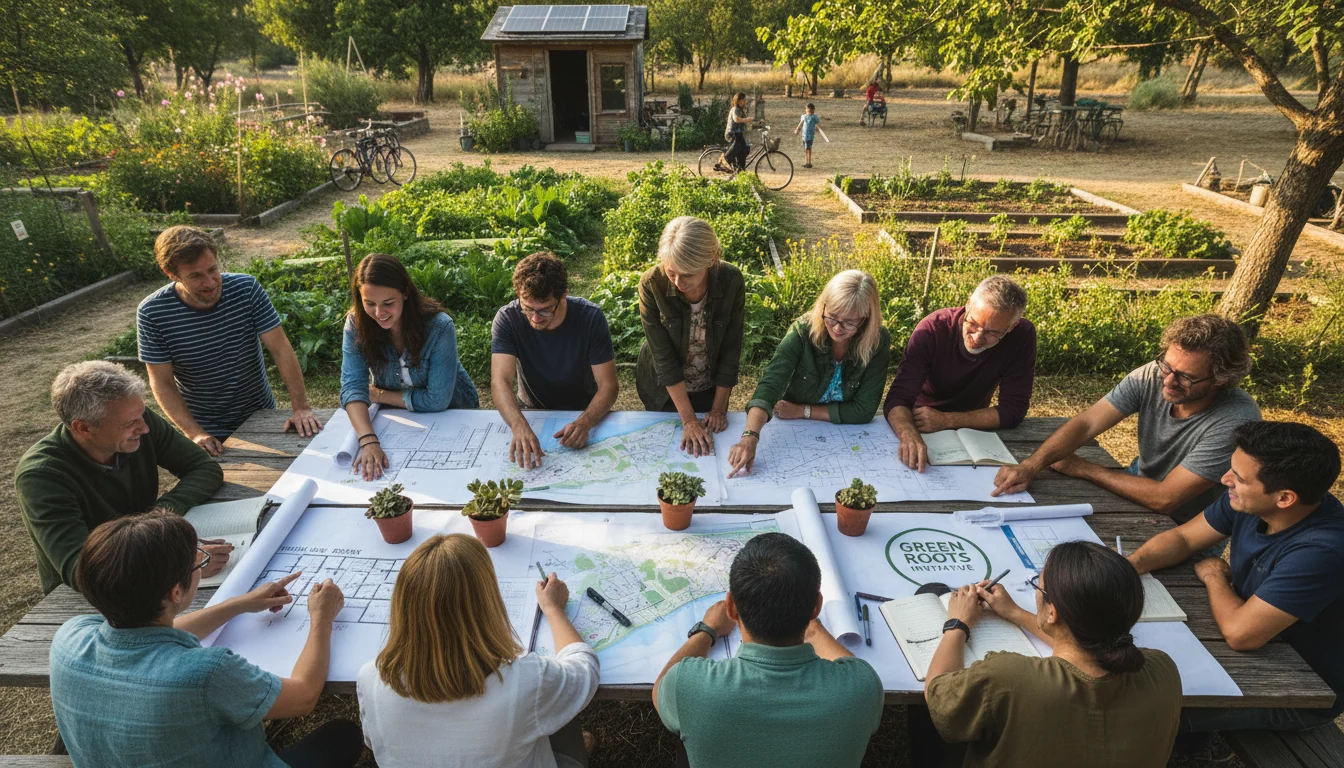
Overall, starting a bio-swale project in Walton County is a rewarding endeavor that can lead to lasting environmental benefits. By taking thoughtful steps in planning, design, and maintenance, you can create a sustainable landscape feature that enhances your property and supports the local ecosystem.
Part of the EcoGuardian journal. This article retains its original publication context; references to grants, regulations, research, and services may have changed since publication.