Common Misconceptions About Bio-Swales: Debunking the Myths


Bio-swales play a crucial role in managing stormwater runoff and enhancing urban landscapes. However, many misconceptions surround their use and effectiveness. In this post, we aim to debunk these myths to provide a clearer understanding of bio-swales.
What Are Bio-Swales?
A bio-swale is a landscape element designed to concentrate or remove debris and pollution out of surface runoff water. These structures are often found along roadways and parking lots, where they help manage rainwater and reduce the burden on stormwater systems.
Myth 1: Bio-Swales Are Just Ditches
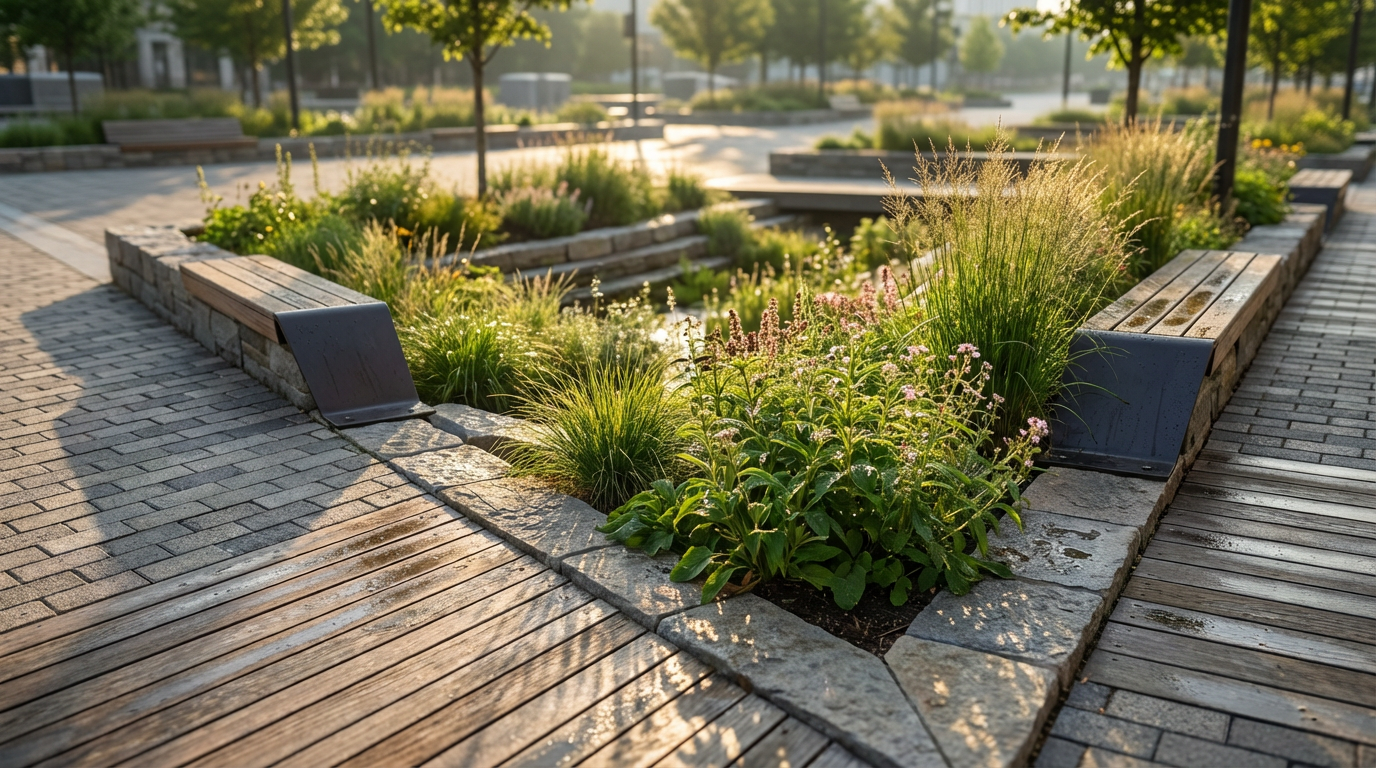
One common misconception is that bio-swales are merely ditches. While they may look similar, bio-swales are engineered with layers of soil, sand, and vegetation to filter and treat stormwater, unlike simple ditches that only direct water away.
Bio-swales are meticulously designed to slow down water flow, allowing time for natural processes to filter pollutants and sediments. This makes them much more effective in improving water quality.
Myth 2: Bio-Swales Attract Pests
Another myth is that bio-swales attract pests such as mosquitoes. In reality, when properly maintained, bio-swales do not hold standing water long enough for mosquitoes to breed. They are designed to drain water efficiently, minimizing pest issues.
Myth 3: Bio-Swales Require Extensive Maintenance
Some believe bio-swales need constant maintenance. While they do require periodic care, such as removing debris and managing vegetation, this is generally manageable. The benefits they provide in stormwater management far outweigh the maintenance efforts involved.
Regular inspections ensure that bio-swales function as intended, but these tasks are not overly burdensome and are part of routine landscape management.
Myth 4: Bio-Swales Are Ineffective in Heavy Rainfall
There is a belief that bio-swales cannot handle heavy rainfall. However, they are specifically designed to manage large volumes of water. By slowing down and filtering the runoff, bio-swales reduce the impact of heavy rain on urban drainage systems.

By understanding the true nature and function of bio-swales, communities can better leverage these green infrastructures to enhance environmental resilience. Dispelling these myths helps encourage the adoption of bio-swales in urban planning, leading to healthier, more sustainable cities.