Understanding Bio-Swale Projects
Bio-swales are engineered landscape features designed to manage water runoff, filter pollutants, and improve water quality. Despite their environmental benefits, several misconceptions persist about their implementation and effectiveness. In this post, we'll explore these common misconceptions and reveal the true impact of bio-swale projects.
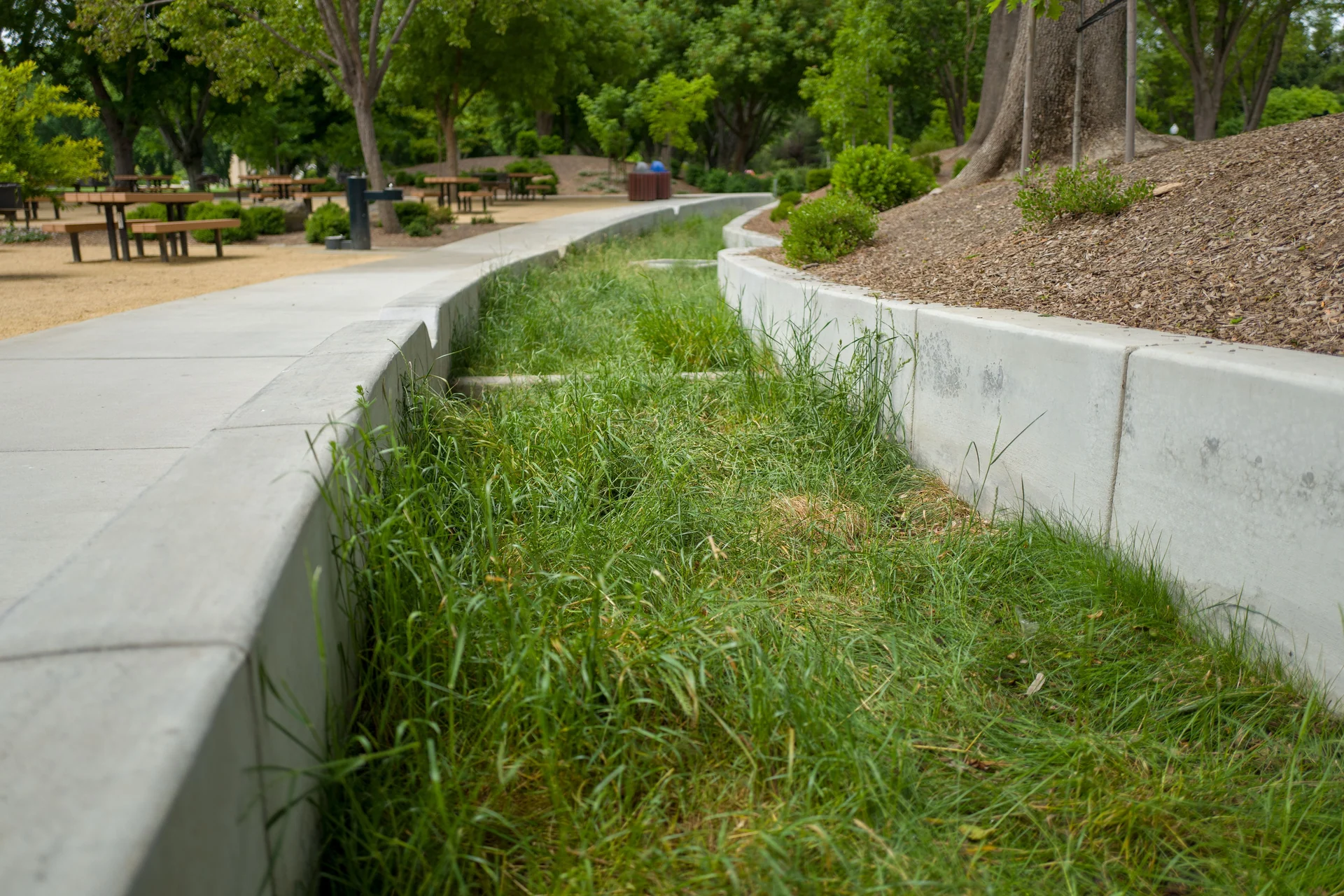
Misconception 1: Bio-Swales Are Just Ditches
A prevalent misconception is that bio-swales are merely glorified ditches. In reality, bio-swales are carefully engineered systems that incorporate native plants, soil layers, and sometimes even complex filtration systems. These components work together to slow down water flow, allowing for sedimentation and filtration of pollutants.
Unlike simple ditches, bio-swales enhance the landscape's aesthetic and ecological value. They are often integrated into urban planning as green infrastructure, contributing to biodiversity and providing habitats for wildlife.
Misconception 2: They Are Ineffective in Urban Areas
Some believe that bio-swales are unsuitable for urban environments due to space constraints. However, bio-swales can be adapted to fit various settings, including dense urban landscapes. By using creative designs and vertical layers, bio-swales can be effectively implemented in small spaces and along roadways, parking lots, and rooftops.
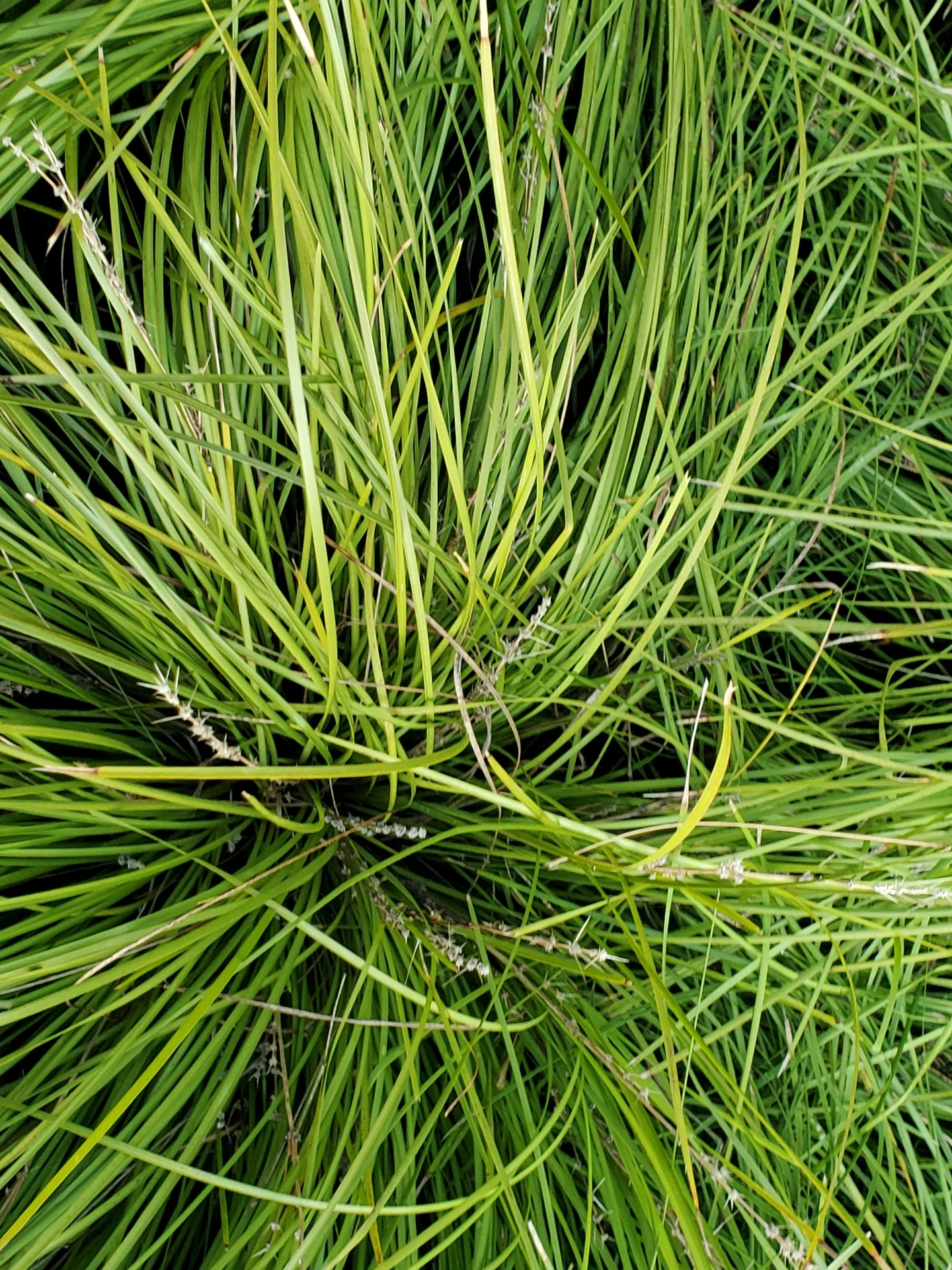
Urban bio-swales play a crucial role in stormwater management, reducing the burden on sewer systems and minimizing flood risks. Their presence in cities helps mitigate the urban heat island effect and improves air quality.
Misconception 3: High Maintenance and Cost
Another common belief is that bio-swales require extensive maintenance and incur high costs. While initial setup costs can be significant, bio-swales are generally low-maintenance in the long run. They rely on sustainable practices, such as using drought-resistant plants that require minimal watering.
Routine maintenance includes periodic checks for debris and ensuring that the plants remain healthy and effective in pollutant filtration. When compared to traditional stormwater management systems, bio-swales often prove more cost-effective due to their durability and reduced infrastructure needs.
Real Impact of Bio-Swales
The real impact of bio-swales extends beyond stormwater management. They contribute significantly to environmental sustainability by filtering pollutants from water, thus protecting water bodies and aquatic life. Bio-swales also promote groundwater recharge, ensuring that water resources are sustainably managed.
Furthermore, bio-swales enhance urban green spaces, providing recreational opportunities and improving residents' quality of life. They encourage biodiversity by creating habitats for various species, thus playing a vital role in ecosystem balance.
Conclusion
Bio-swales are a powerful tool in sustainable urban design, addressing multiple environmental challenges while offering aesthetic and ecological benefits. By debunking these misconceptions, we can better appreciate their true value and encourage their integration into future development projects.
Part of the EcoGuardian journal. This article retains its original publication context; references to grants, regulations, research, and services may have changed since publication.