Introduction to Bio-Swales
Bio-swales are sustainable landscaping features designed to manage water runoff, filter pollutants, and enhance the aesthetic appeal of residential areas. These systems are gaining popularity across the United States as communities strive to integrate environmentally friendly solutions into urban planning.
In Walton County, the application of bio-swales has transformed local homes through a unique initiative: the Bio-Swale Micro-Grants program. This innovative project provides residents with the financial support needed to install bio-swales on their properties, ensuring both environmental and economic benefits.
The Micro-Grants Initiative
The Bio-Swale Micro-Grants program was launched to empower homeowners to adopt eco-friendly practices without bearing the full financial burden. By offering partial funding, the initiative encourages widespread participation and increases community engagement.
Residents of Walton County can apply for these grants, which cover a significant portion of the installation costs. This support has made it feasible for many homeowners to incorporate bio-swales, leading to a noticeable improvement in water management and property aesthetics.
Community Impact
The implementation of bio-swales has brought numerous benefits to Walton County. Firstly, these systems effectively reduce stormwater runoff, minimizing the risk of flooding and erosion in residential areas. Additionally, bio-swales filter out pollutants, contributing to cleaner local waterways.
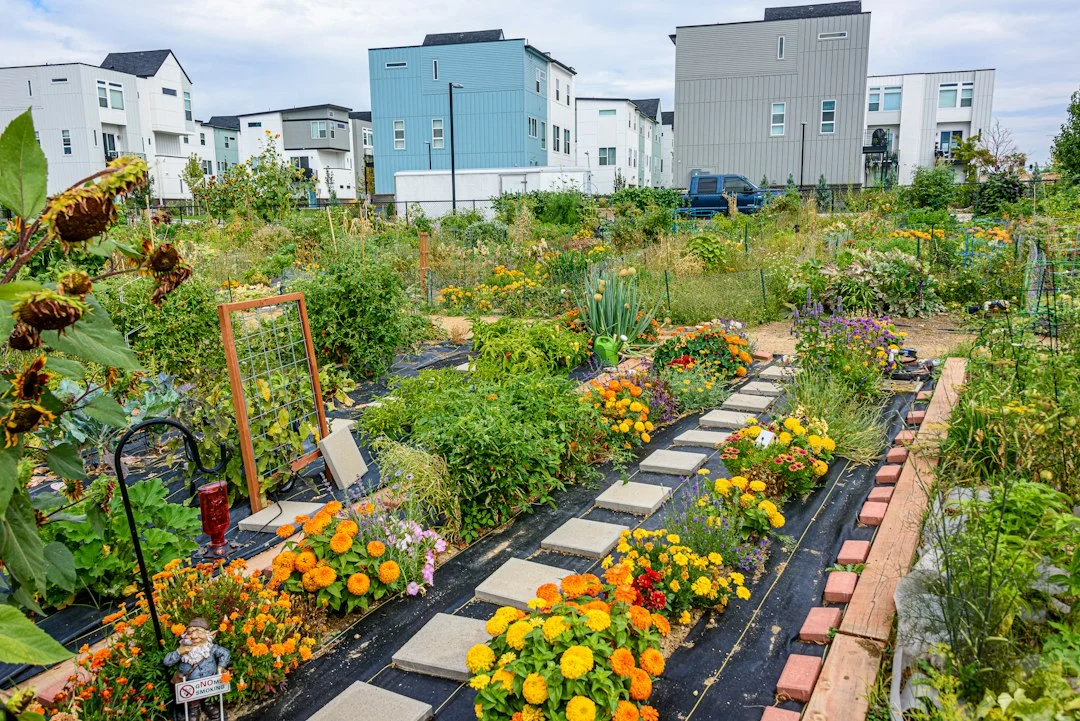
The visual appeal of bio-swales has also played a role in boosting property values. Homeowners report increased interest from potential buyers, drawn to the sustainable features and improved landscape design. As a result, the community as a whole experiences enhanced economic stability.
Successful Transformations
Several homeowners in Walton County have shared their success stories, highlighting the transformative power of bio-swales. One resident noted that their backyard, previously prone to flooding, is now a thriving garden thanks to the improved drainage provided by the bio-swale.
Another family expressed gratitude for the micro-grant, which enabled them to create a beautiful, functional outdoor space that supports local biodiversity by attracting birds and pollinators.
Challenges and Solutions
Though the program has been largely successful, it has faced some challenges. Initially, there was a lack of awareness and understanding about the benefits of bio-swales. To address this, the county organized workshops and informational sessions, educating residents on the long-term advantages of these systems.
Additionally, the program encountered technical challenges during installations. By partnering with local environmental engineers and landscape architects, these issues were swiftly resolved, ensuring high-quality bio-swale construction across the county.
Looking Forward
The success of the Bio-Swale Micro-Grants program in Walton County serves as an inspiring model for other regions looking to implement sustainable practices. The county plans to expand the program, offering more grants and further enhancing community engagement.
As more homeowners embrace eco-friendly initiatives, Walton County continues to thrive as a leader in sustainable urban development. The bio-swales not only improve individual properties but also contribute to the overall health and resilience of the local environment.
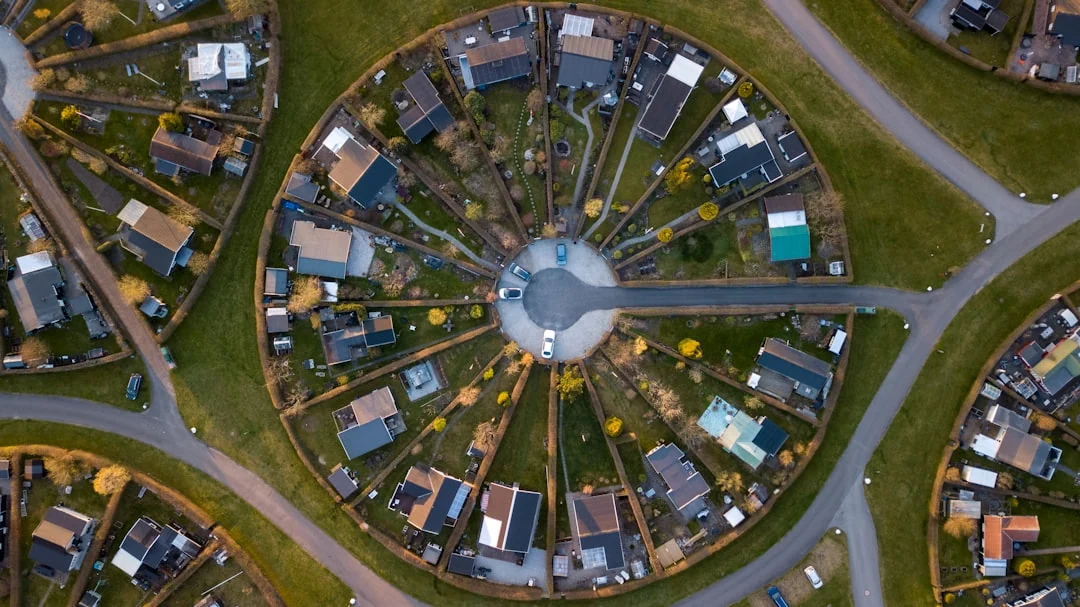
By adopting innovative solutions and supporting community involvement, Walton County sets a precedent for how small changes can lead to significant environmental impact. The Bio-Swale Micro-Grants initiative is a testament to the power of collective action in the pursuit of sustainability.
Part of the EcoGuardian journal. This article retains its original publication context; references to grants, regulations, research, and services may have changed since publication.