
Introduction to Bio-Swale Micro-Grants
Walton County has been at the forefront of environmental innovation, particularly with its Bio-Swale Micro-Grant program. This initiative has empowered local communities to implement sustainable drainage solutions, effectively managing stormwater and enhancing local ecosystems.
The Impact of Bio-Swales in Walton County
Bio-swales are engineered landscape features that help filter pollutants from stormwater runoff. By supporting these projects, Walton County aims to improve water quality in local waterways. The results have been promising, with numerous success stories emerging from the grant recipients.
The micro-grants have enabled communities to create greener urban spaces, reduce flooding, and promote biodiversity. These projects are not just environmentally beneficial but also enhance the aesthetic appeal of neighborhoods.
Case Study 1: Community Park Revitalization
One of the standout projects funded by the Bio-Swale Micro-Grant was the revitalization of a community park. This project transformed a previously underutilized space into a vibrant, environmentally-friendly area. The bio-swale installation helped manage rainwater runoff efficiently, reducing the risk of flooding and erosion.
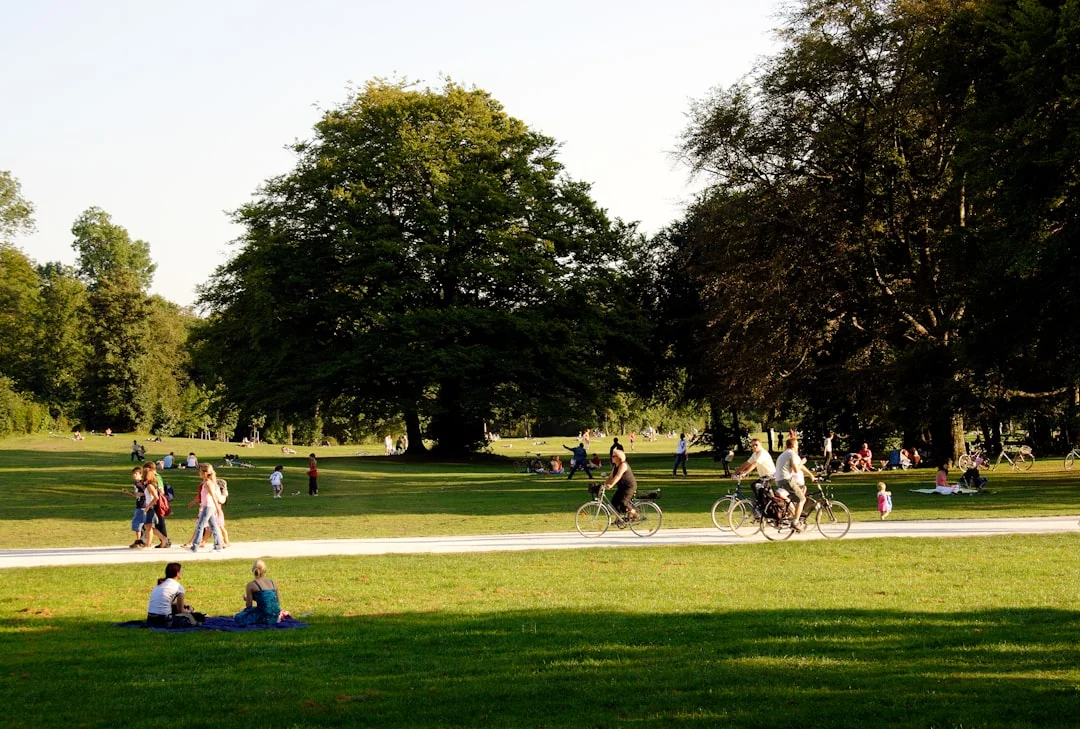
The community has seen a significant increase in local wildlife, with native plants thriving and providing habitats for various species. The park has become a hub for community gatherings, promoting environmental education and awareness.
Case Study 2: Urban Garden Initiative
Another inspiring project was the urban garden initiative, which integrated bio-swales into its design. This project not only addressed drainage issues but also supported urban agriculture. The bio-swales provided necessary irrigation to the gardens, ensuring healthy growth of fruits and vegetables.
Residents have reported a greater sense of community and well-being, as the gardens offer a space for people to connect with nature and each other. This project illustrates how sustainable practices can enhance urban living.

Lessons Learned from the Micro-Grant Program
The success of these projects highlights the importance of community involvement and education in environmental initiatives. By engaging local residents, these projects have fostered a sense of ownership and responsibility towards sustainable practices.
Moreover, these case studies have demonstrated that small-scale interventions can have significant impacts. The Bio-Swale Micro-Grant program serves as a model for other regions looking to implement similar sustainable solutions.
Looking Forward
Walton County's commitment to environmental sustainability continues to grow. With the success of the Bio-Swale Micro-Grant program, there are plans to expand the initiative, offering more communities the opportunity to participate and contribute to a greener future.
As more communities embrace these practices, Walton County is set to become a leader in innovative, sustainable urban planning. The program's success stories serve as inspiration and a blueprint for other counties and cities aiming to balance development with environmental stewardship.
Part of the EcoGuardian journal. This article retains its original publication context; references to grants, regulations, research, and services may have changed since publication.